Garvaghy Road in Portadown became a renewed flashpoint after residents blocked an Orange Order parade, underscoring persistent sectarian fault lines. Days earlier, President Donald Trump surprised observers by publicly endorsing Irish reunification, prompting mixed reactions and renewed debate about a future "border poll." Economists warn reunification would carry a hefty and uncertain fiscal price tag (estimates range from about £1.5bn to €20bn annually), while deep gaps in growth, wages and education mean Northern Ireland would likely need sustained investment and institutional reform. Public opinion is finely balanced, and experts say Dublin needs a detailed integration plan long before any referendum.
Portadown Standoff and Trump’s Surprise Endorsement Reignite Debate Over Irish Reunification
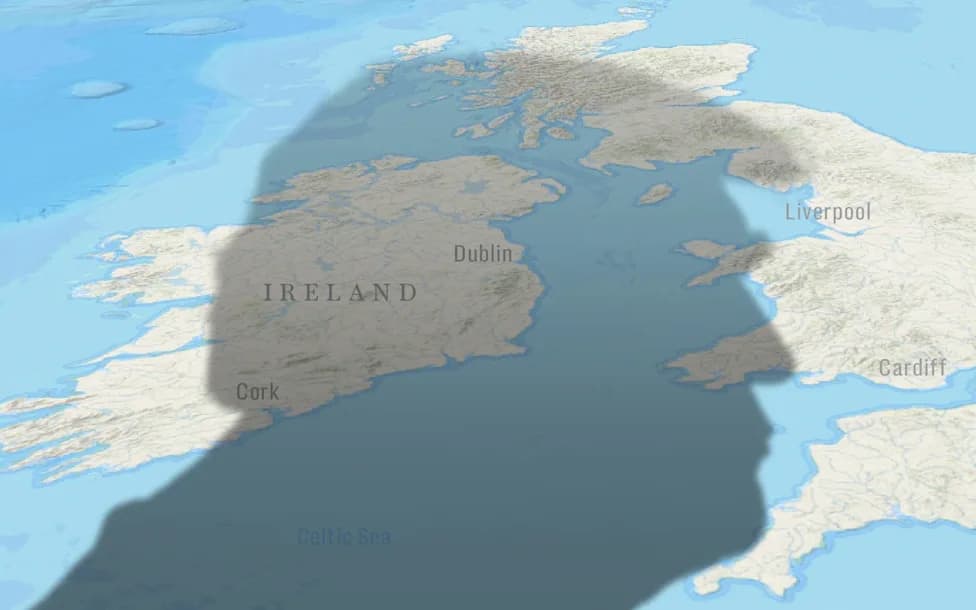
trump shadow over ireland
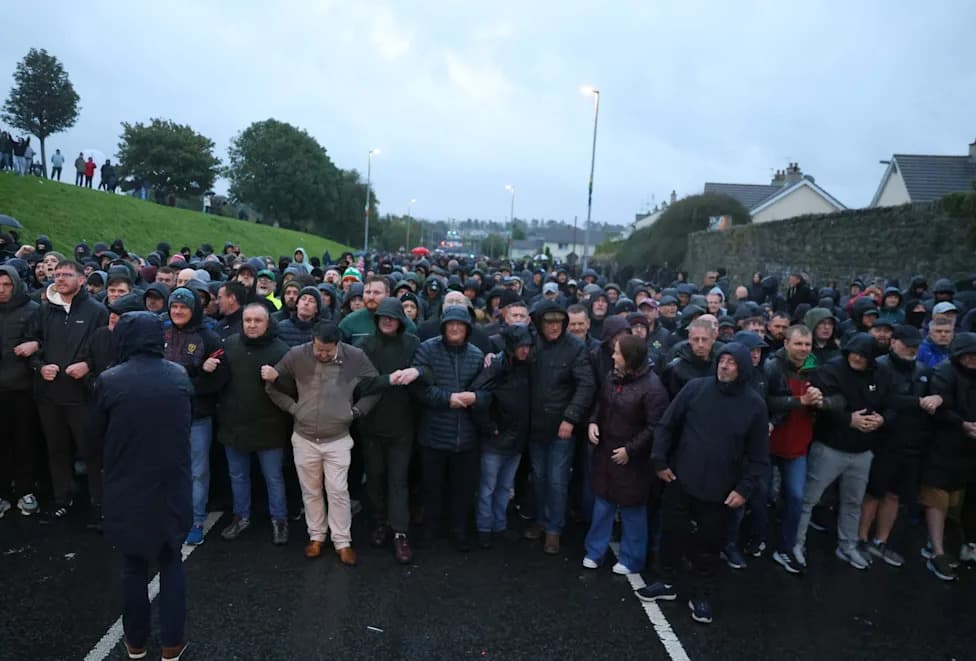
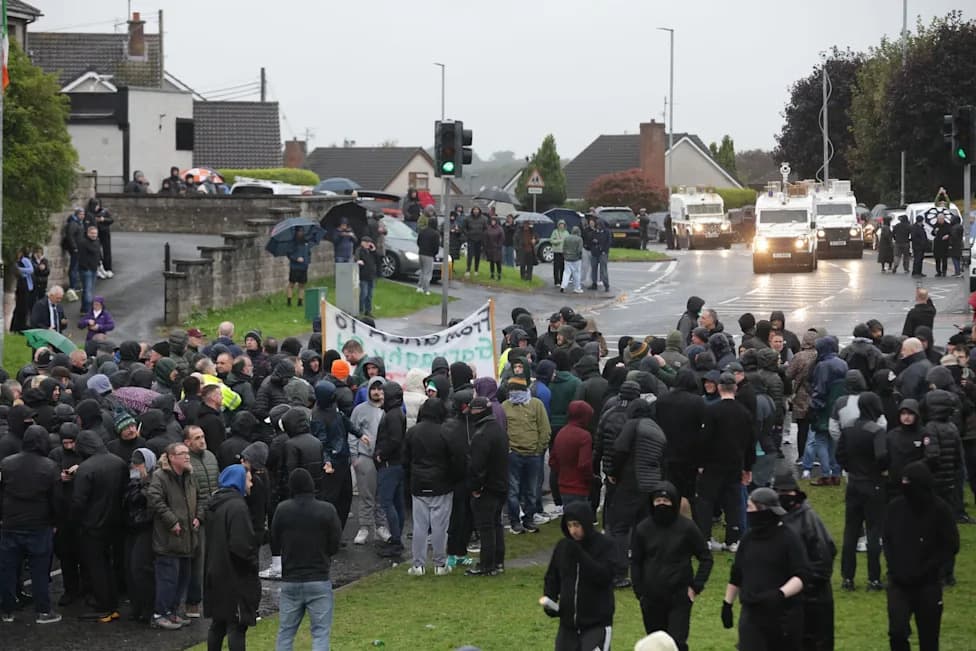
Garvaghy Road in Portadown — a stretch barely a mile long — has again become a powerful symbol of Northern Ireland's unresolved sectarian divisions. This week a court-approved parade by the Protestant Orange Order prompted hundreds of largely Catholic residents to blockade the street, producing a tense but largely peaceful standoff that reverberated through Stormont and Dublin.
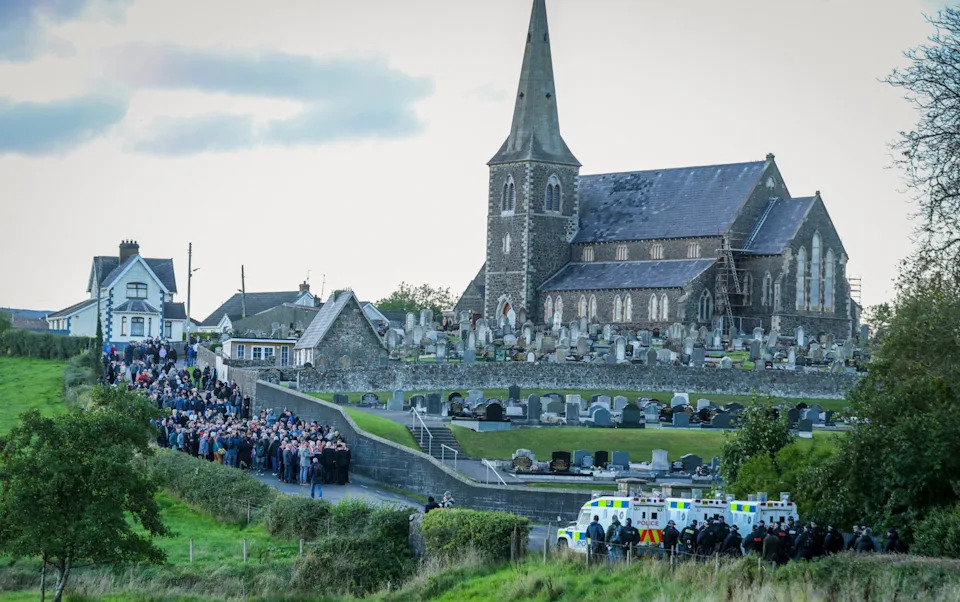
Thousands of protesters blocked the Orange Order march outside Drumcree Church in Portadown earlier this week - Paul Faith /AFP
What Happened In Portadown
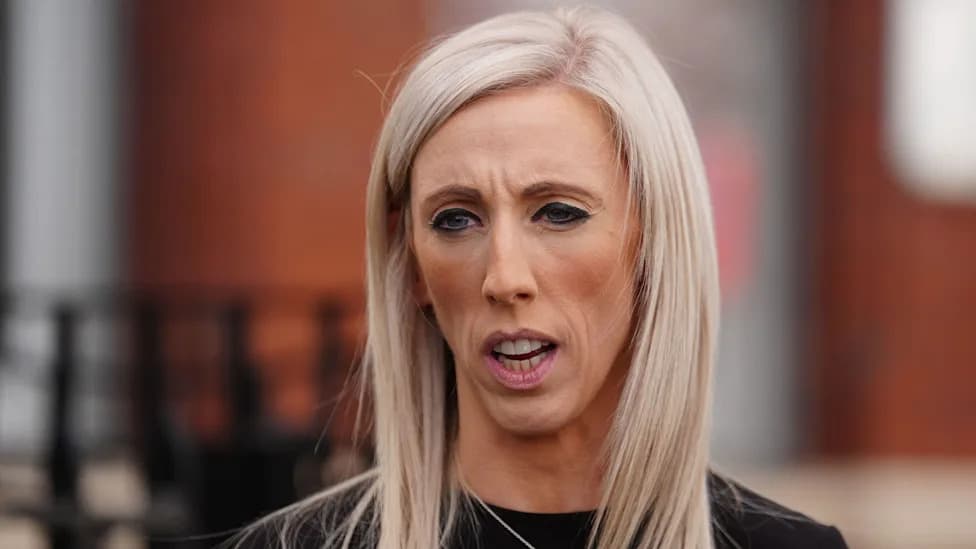
Police maintained a fragile calm while politicians exchanged sharp accusations. Sinn Féin's Emma Sheerin warned the march would "trample over the graves" of past victims of sectarian violence, while DUP MLA Jonathan Buckley accused protesters of breaking the law and labelled Sinn Féin leaders at the scene as engaging in "criminality." The incident has raised fears that the power-sharing executive could be destabilised and has underlined how raw community tensions remain.
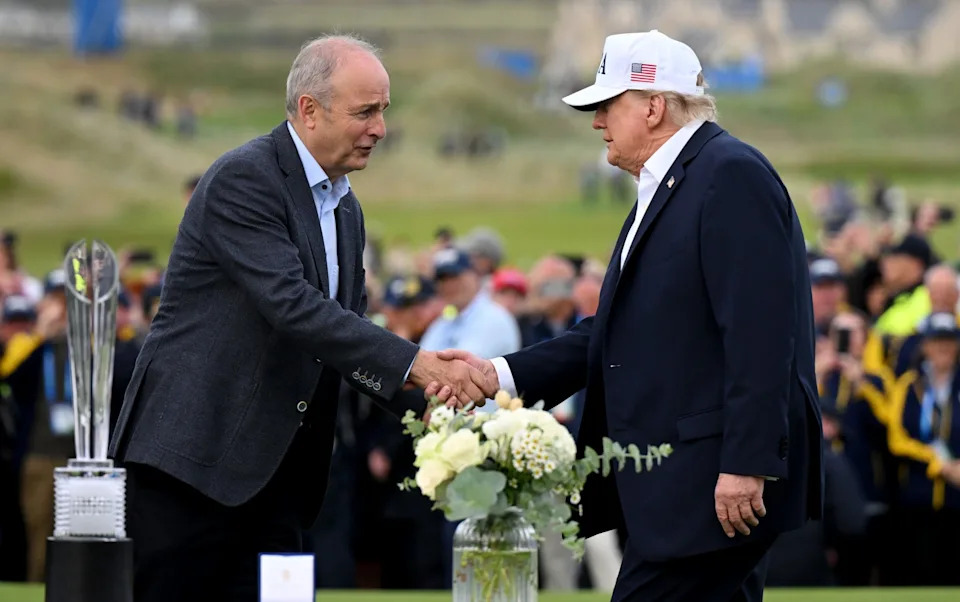
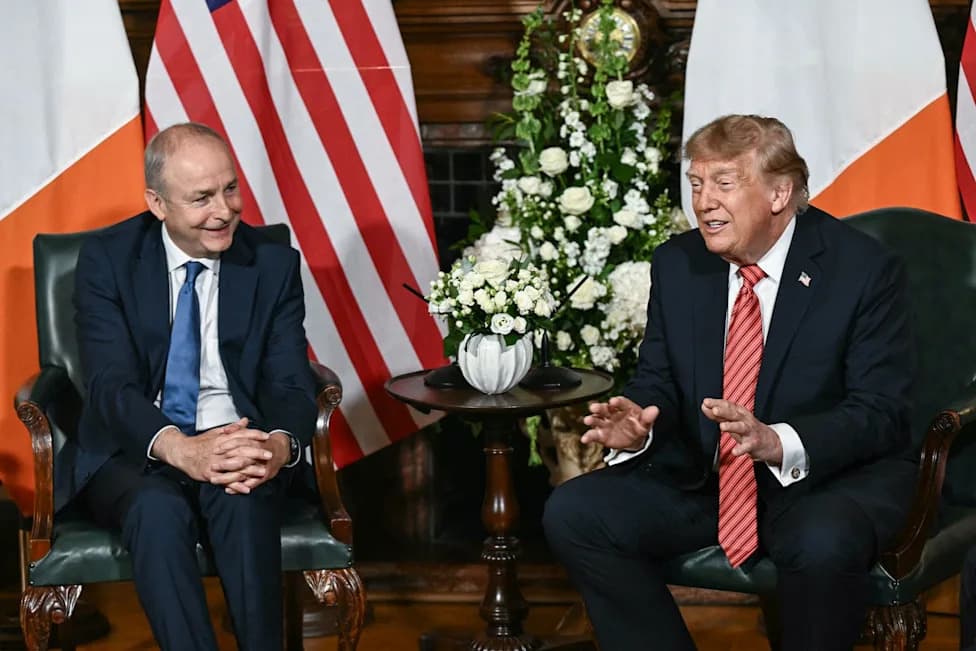
Micheál Martin meets Donald Trump at the Doonbeg golf course earlier this month. The Taoiseach has played down the idea of unification - Charles McQuillan/Getty
Donald Trump’s Intervention
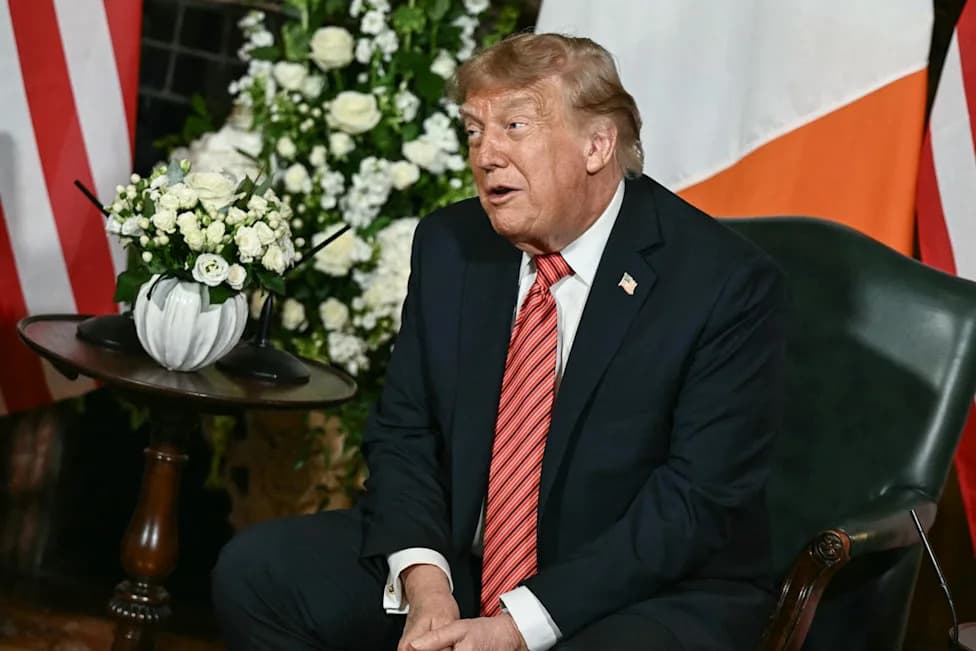
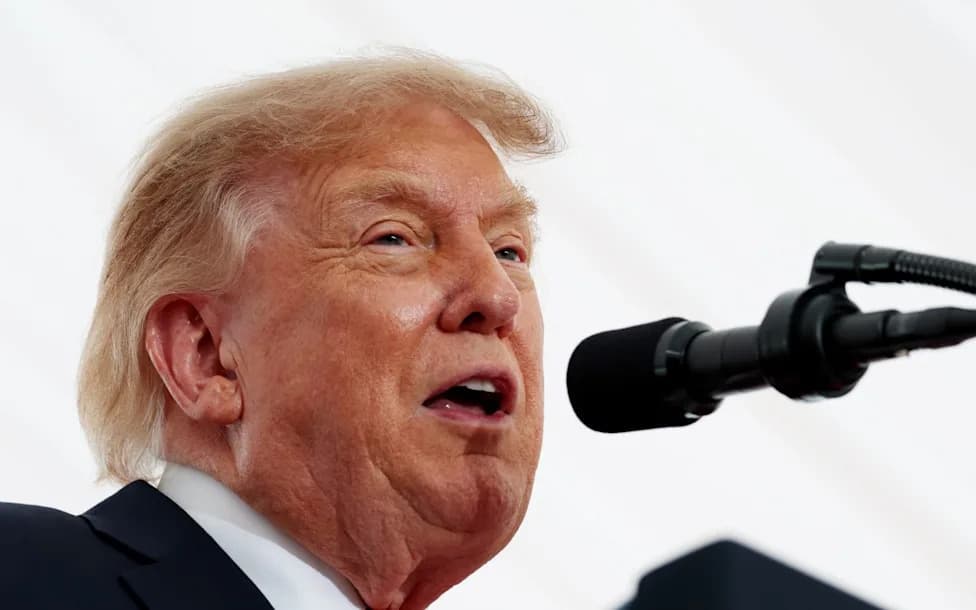
Just days earlier, during a visit to his Doonbeg golf course, US President Donald Trump said Irish reunification would be "pretty cool" and — since it was "going to happen anyway" — might as well happen now. It was the first time a sitting American president publicly endorsed the idea of reunifying the island, prompting rapid downplaying by officials in London and Dublin and intense debate in Ireland and among the Irish diaspora.
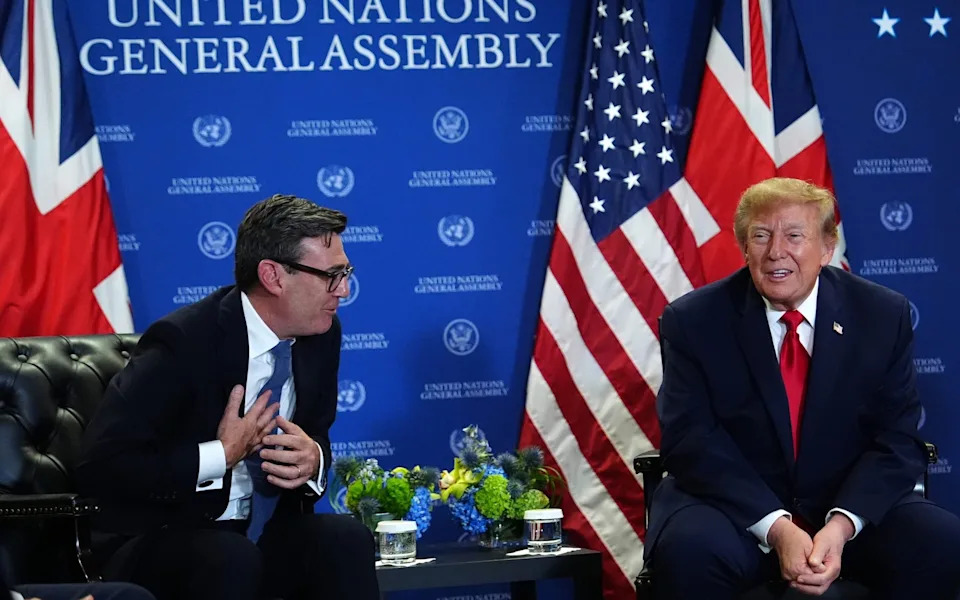
Andy Burnham and Donald Trump appeared to get along in their first meeting earlier this month - AP Photo/Julia Demaree Nikhinson
"It just seems to me that you have Northern Ireland and you have Ireland...one of the naturals of all time is to put them together," Mr Trump said.
Political Reactions And Motives
British and Irish ministers pointed to the 1998 Good Friday Agreement, which sets out conditions for any future referendum — conditions that have not been met — while Ireland's Taoiseach, Micheál Martin, adopted a cautious tone. Analysts offered multiple explanations for Mr Trump's remarks: distraction during a holiday, provocation toward the UK, or a calculated appeal to Irish-American voters ahead of US midterms. Sinn Féin welcomed the remarks, arguing US rhetorical support helps normalise the conversation about unity; unionist politicians and many in Britain reacted with alarm.
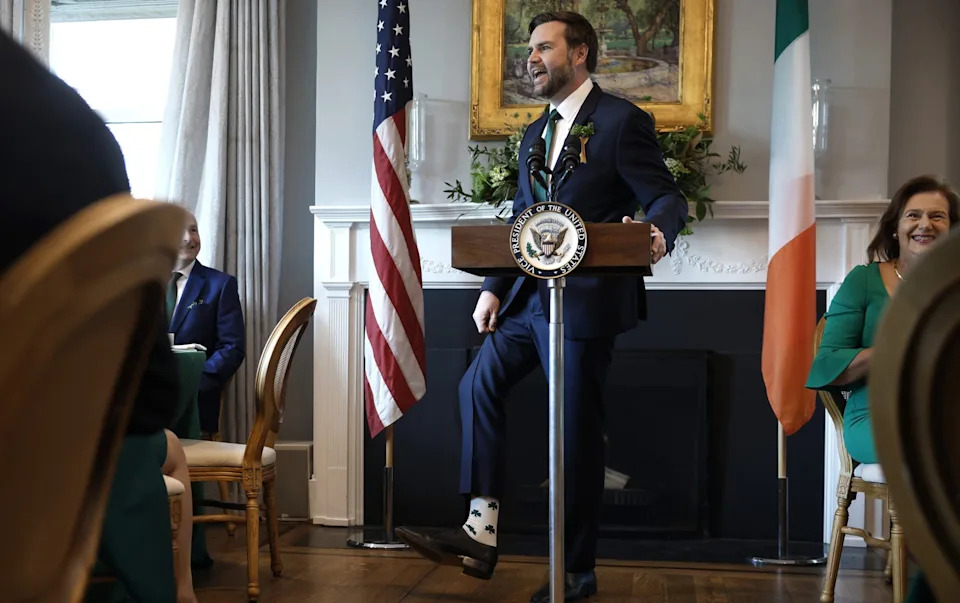
JD Vance's shamrock socks on St Patrick's Day went down well with Irish-Americans - Kevin Dietsch/Getty Images
Economic Stakes And Cost Estimates
Economics, more than rhetoric, is likely to determine how voters judge reunification. Northern Ireland currently runs a sizable fiscal deficit within the UK: the Office for National Statistics estimated a 2025 "subvention" of about £15.8 billion. How much of that burden Dublin would inherit is uncertain and would depend on negotiations with London over debt and pension liabilities.
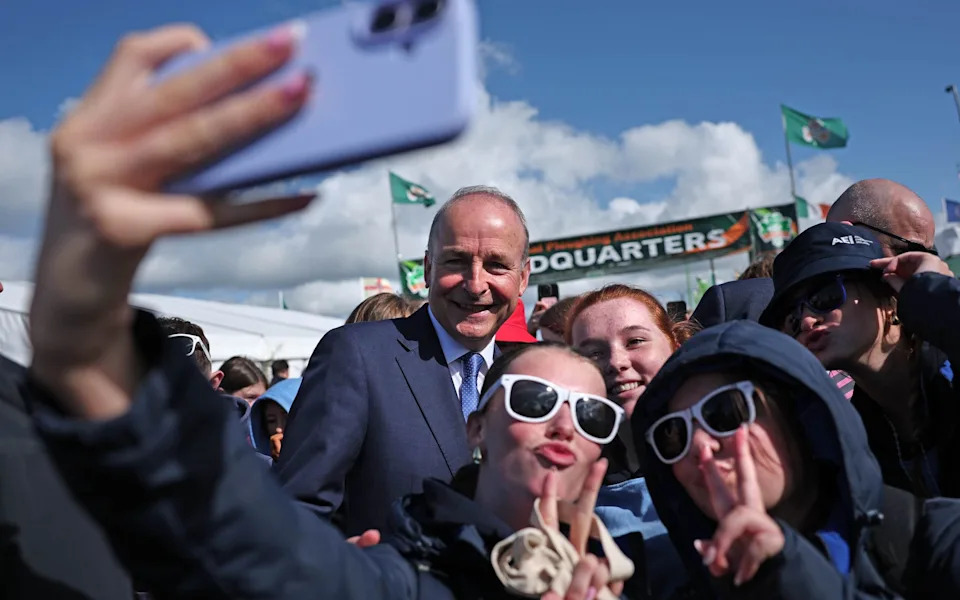
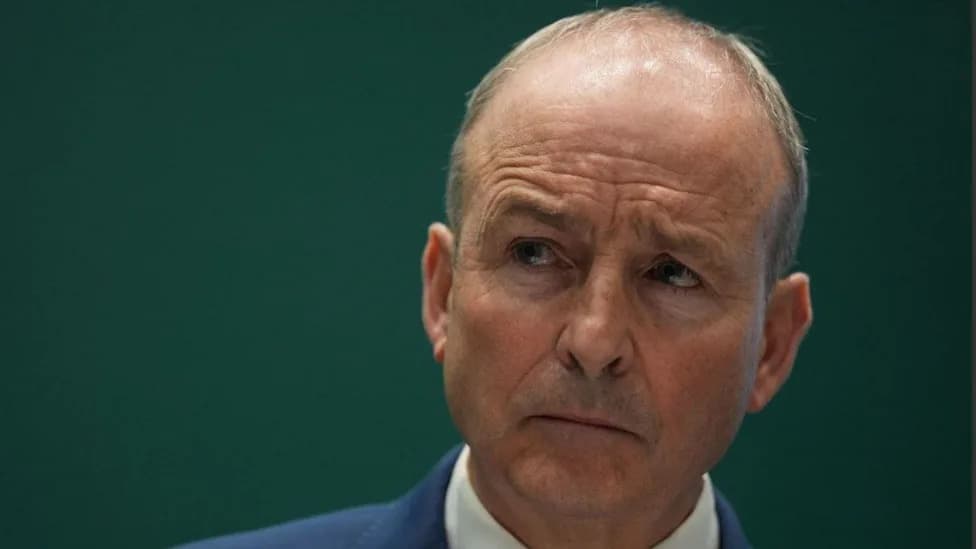
Micheal Martin poses for a selfie with supporters. The Taoiseach is loath to stir community tensions with talk of unification - Clodagh Kilcoyne/PA Wire
Estimates of the annual cost to the Irish exchequer vary widely: the Institute for International and European Affairs suggests €8–€20 billion (£6.8–£17.1bn) depending on assumptions; the Economic and Social Research Institute (ESRI) gives a mid-range of €4–€7 billion; while Professor John Doyle has argued it could be as low as £1.5 billion under favourable precedents. Economists caution that long-term productivity gains and reforms would be crucial to reduce any fiscal drag.

So far, the protests in Portadown have remained peaceful - Charles McQuillan/Getty
Economic And Social Gaps
The Republic and Northern Ireland have diverged markedly since partition. Over the past three decades the Republic averaged annual growth of more than 3%, versus about 1.3% in Northern Ireland. Wages in the Republic are more than one-third higher, and adjusted for costs, standards of living are roughly 18% higher in the south. Northern Ireland also faces higher inactivity among 20–64 year olds (about 25% versus 17% in the Republic), lower productivity and longer health waiting lists.
Education is a major factor: around 94% of 15–19-year-olds in the Republic are enrolled in education compared with about 71% in Northern Ireland. Many Northern students who study elsewhere do not return, compounding a skills shortage that deters inward investment in high-value sectors.
Institutions, Governance And Social Trust
Beyond money, reunification would require merging police services, healthcare systems, taxation, social protection, and possibly constitutional change in the Republic. Northern Ireland's power-sharing institutions — designed to maintain peace by obliging cross-community coalitions — have at times produced siloed governance and stalled reforms. Some analysts argue that Dublin could address these structural problems more effectively; others warn that changing institutions risks destabilising fragile community trust.
Public Opinion And Political Timetable
Polls are finely balanced. An Irish Times poll found 57% of Irish voters want a referendum within a decade, yet 64% expressed concern about reunification costs; other surveys place support for unity itself near 60%. Experts warn that Dublin needs a detailed integration blueprint — covering pensions, healthcare, currency and public services — well before any referendum to avoid an ill-informed campaign and a repeat of lessons from Brexit.
America’s Role And Sinn Féin’s Outreach
The US has been an influential third-party actor since the Good Friday Agreement, both politically and financially. Washington has given more than $500m to the International Fund for Ireland. Sinn Féin has cultivated support in the US through its Friends of Sinn Féin donor network, which has raised roughly $18.4m since 1995 and remitted over $3.6m to Northern Ireland projects, according to regulatory filings.
Outlook
Trump's remarks may sway some American voters in the near term, but the events on Garvaghy Road demonstrate how much work remains at home: healing communal divisions, producing a credible economic plan, and negotiating complex fiscal and legal transitions. Any realistic path to a border poll — let alone a successful referendum — will be long, politically delicate and dependent on thorough preparation.
Help us improve.