Protesters who blockaded Garvaghy Road in Portadown to stop a contentious Orange Order parade largely dispersed after a community leader said a fresh process had been launched to address the dispute.
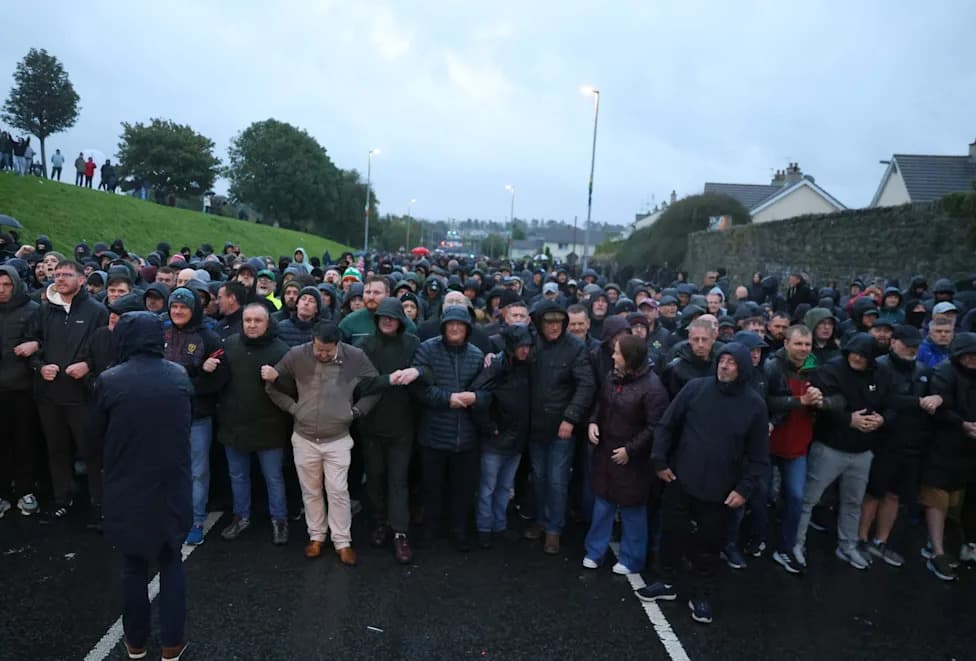
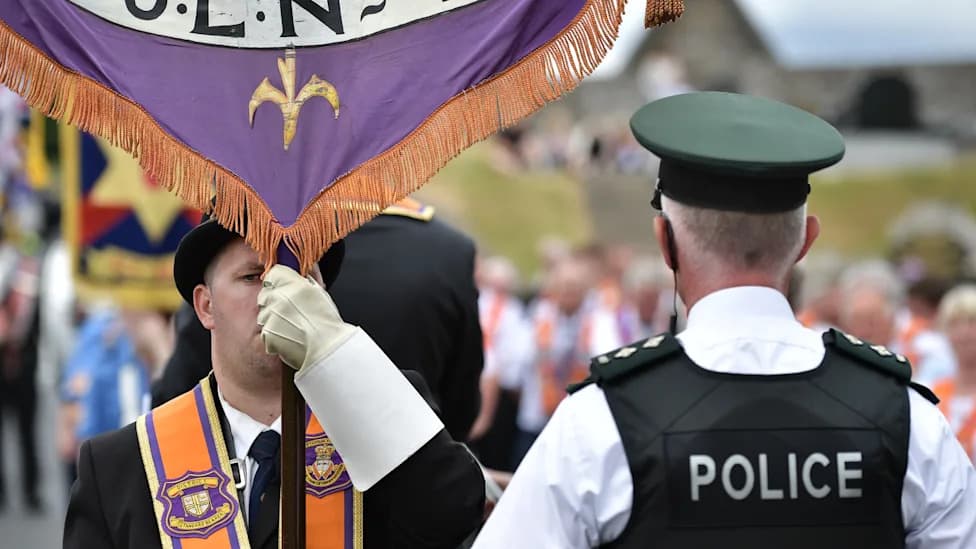
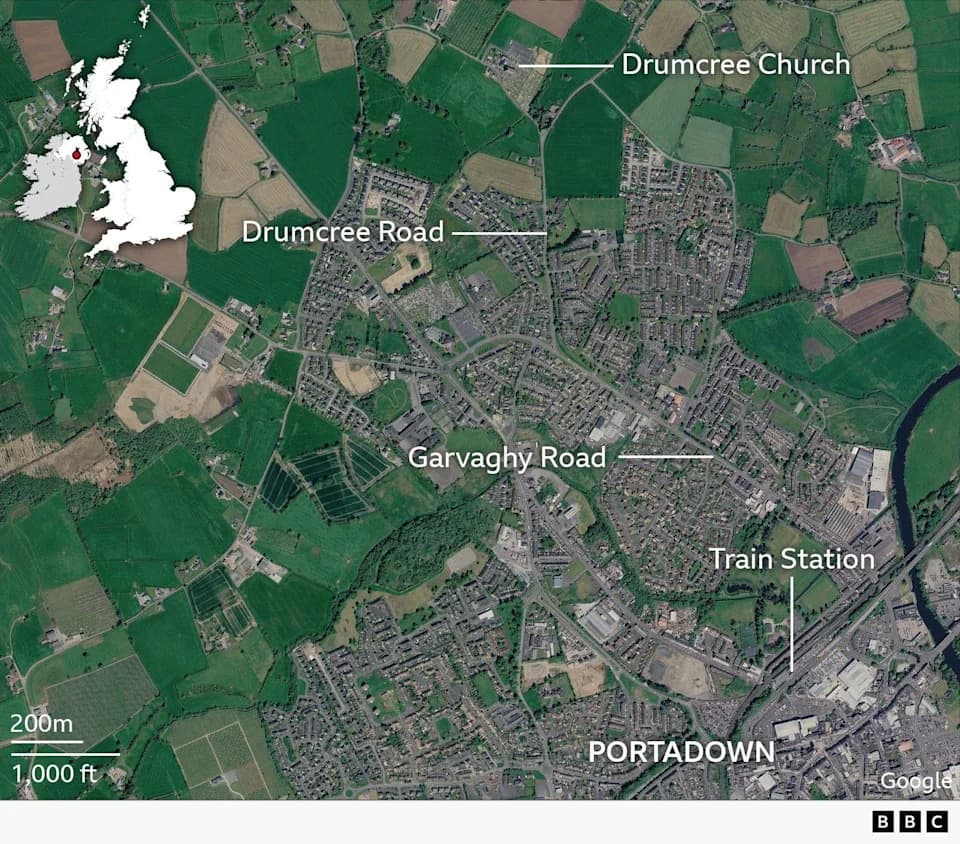
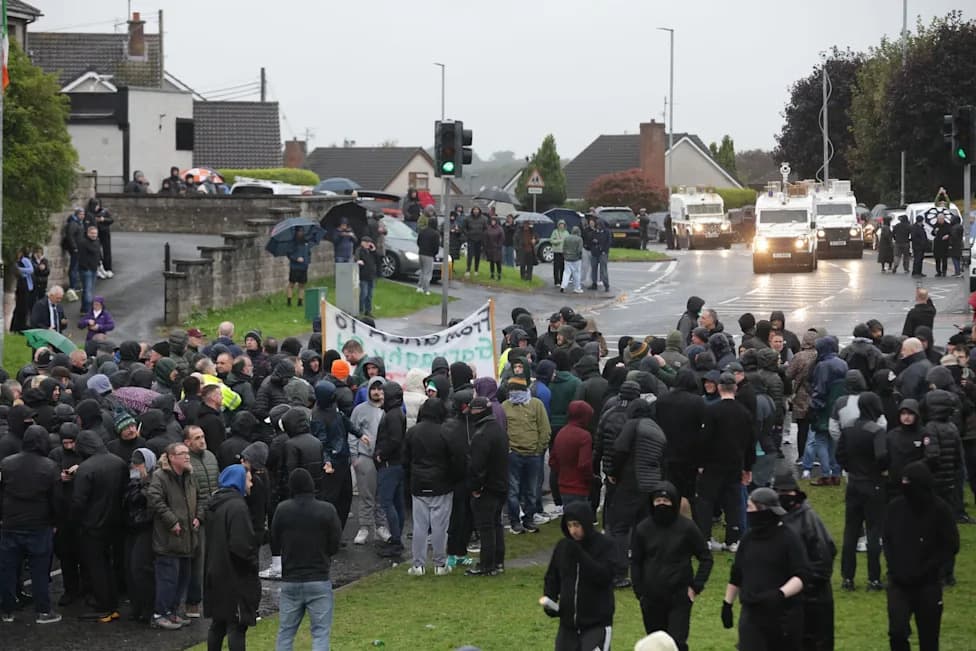
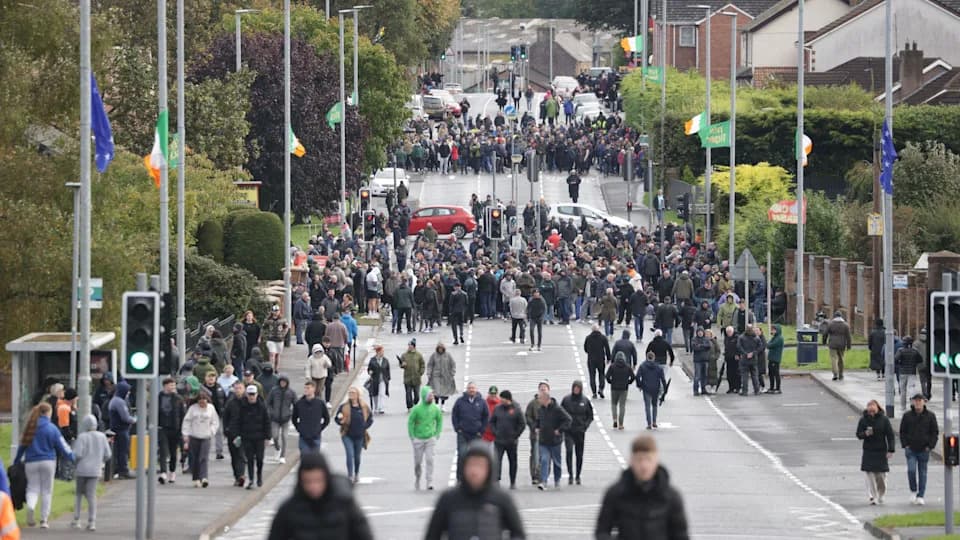
At the height of the action on Sunday, thousands gathered along the predominantly nationalist Garvaghy Road to prevent the Orange Order march from Drumcree Church from following its traditional route. The large assembly was unnotified and therefore illegal under Northern Ireland parading legislation; it included senior Sinn Féin figures such as Northern Ireland's First Minister Michelle O'Neill.
Late-Night Developments
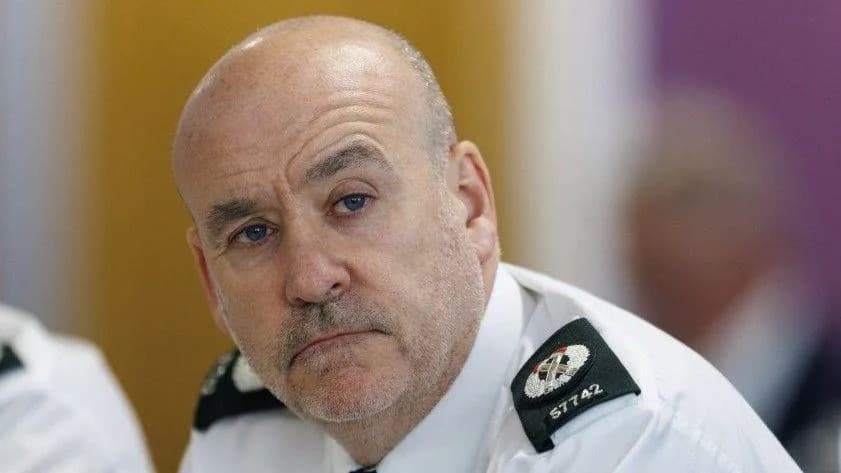
Around midnight, Breandán Mac Cionnaith of the Garvaghy Road Residents' Coalition told the crowd they had achieved a "victory" and that he would meet Northern Ireland Secretary Chris Bryant and Police Service of Northern Ireland (PSNI) Chief Constable Jon Boutcher on Monday morning to discuss the Drumcree parade. Mac Cionnaith said he had secured "commitments" that the march would not proceed down Garvaghy Road overnight, and asked for 20–30 volunteers to remain briefly to ensure those assurances were honoured.
"We've stopped them once. The process now is to ensure we stop them permanently," Mac Cionnaith said.
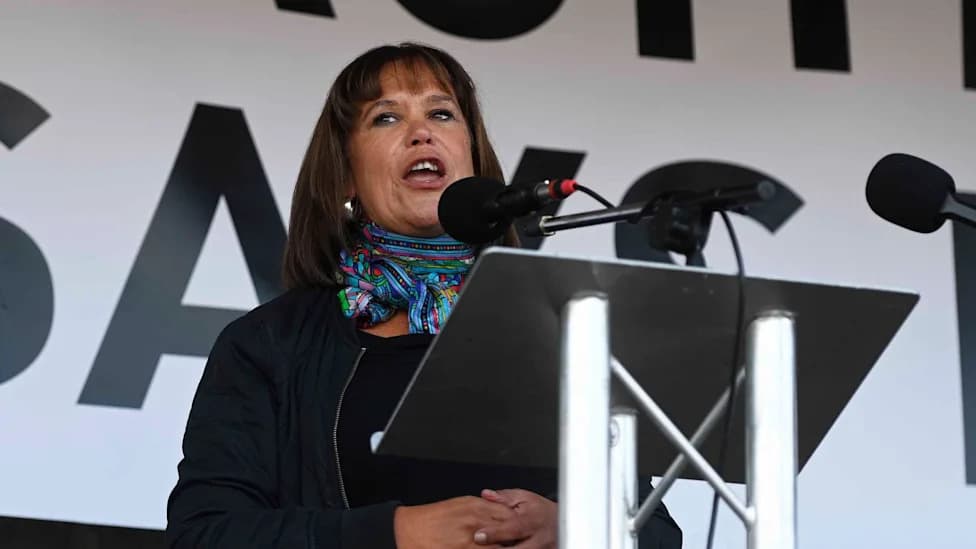
First Minister Michelle O'Neill also described the Garvaghy Road community as having won a "victory," telling reporters before departing shortly after midnight: "This community do not want this, they do not want this march." Earlier she had urged protesters to "stay the course" and remain on the road until at least midnight.
Legal And Political Fallout
The presence of senior Sinn Féin figures at the blockade drew sharp criticism from unionist leaders, who accused them of breaking the law. Under the region's parading rules, protests against parades must be notified and adjudicated by the Parades Commission; the Garvaghy Road gathering was unnotified. Police repeatedly announced via loudspeaker that those blocking the road risked arrest.
In the early hours of Sunday the High Court in Belfast sat late and, in an "unprecedented" overnight hearing, upheld a Parades Commission ruling permitting the Orange Order march along Garvaghy Road subject to strict conditions. The Drumcree parade — long linked to violent clashes during the Troubles — had been banned since 1998 until the commission's recent reversal.
The escalating dispute has raised concerns about the stability of Northern Ireland's power-sharing executive. Unionist leaders warned of consequences for Sinn Féin ministers and stressed the importance of upholding the rule of law. Political leaders urged calm and compromise to prevent a return to wider unrest.
Background
The Drumcree stand-off was a major flashpoint in the 1990s, when repeated attempts by the Orange Order to march the traditional route through a nationalist area led to violent confrontations and large security operations. On Friday the Parades Commission reversed its long-standing position and granted permission for the parade under strict limits — including a cap of 35 participants and an 8:00 am start time — a decision welcomed by unionist parties and condemned by nationalist and republican parties.