Lara Trump conceded the Iran confrontation could cost Republicans politically but defended President Trump’s approach as necessary to block Iran’s nuclear ambitions. She spoke on Harry Cole’s podcast, highlighting new regional alliances and arguing the security benefits justify the risk. Iranian politician Masoud Pezeshkian hinted at a possible peace push before November, while the IRGC urged Americans to pressure their government. The confrontation has lasted seven months and briefly disrupted traffic through the Strait of Hormuz, affecting global oil flows.
Lara Trump: Iran Conflict "Could Cost" Republicans in Midterms — She Says the Risk Is Worth It

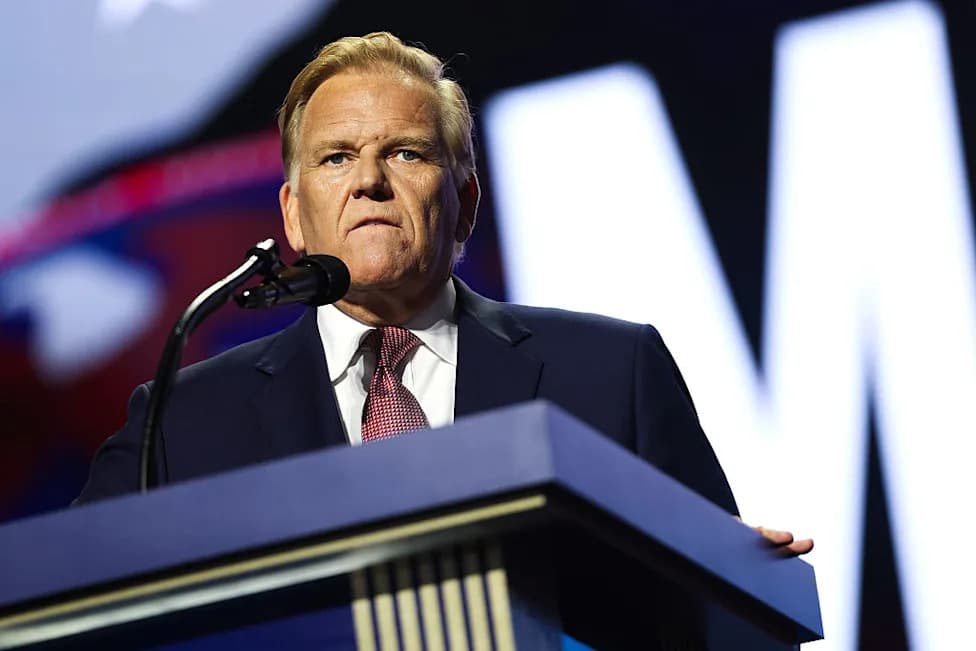
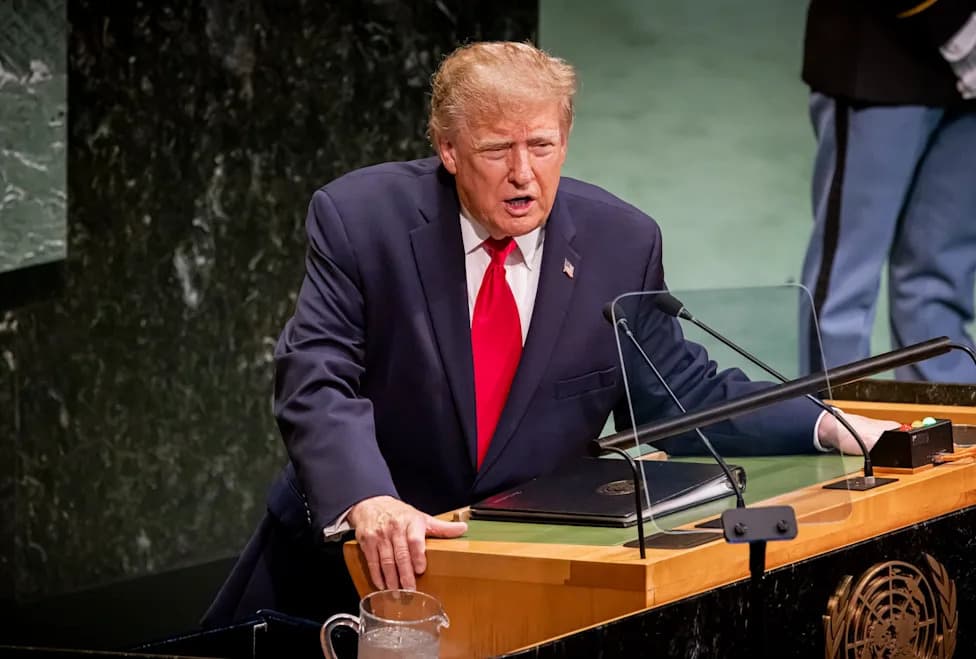
Tom Williams/CQ-Roll Call, Inc via Getty Images
Lara Trump acknowledged that the ongoing confrontation with Iran could have political costs for the Republican Party ahead of November’s midterm elections, while defending President Donald Trump’s strategy as necessary to prevent Iran from developing nuclear weapons.
Key Remarks
Speaking on British journalist Harry Cole’s podcast Harry Cole Saves the West, Lara Trump said the conflict could hurt Republican prospects:
“Well, it could cost him these midterms.”She added that the president “really hates the way that things have gone with Iran” and wished “things had more swiftly happened.”
Why She Supports the Policy
Lara Trump argued that no other leader could have achieved the diplomatic shifts she attributes to President Trump, citing newly strengthened partnerships in the Middle East with countries that previously had weaker ties to Washington. She said the administration’s approach is aimed at a long-term security objective — stopping Iran’s path to a nuclear weapon — and that the conflict should eventually resolve even if it takes longer than many hope.
International Signals And Risks
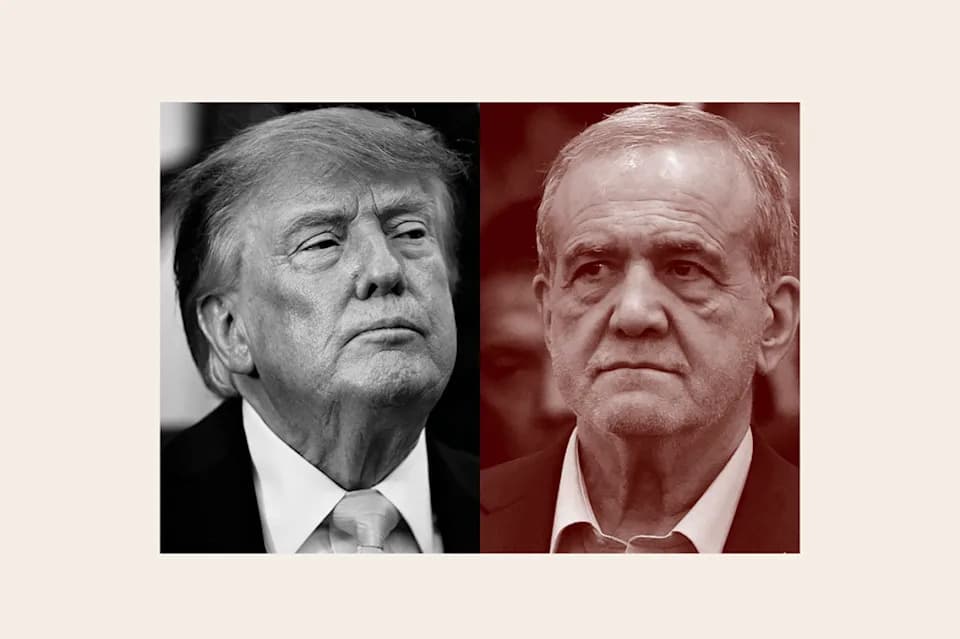
Iranian politician Masoud Pezeshkian was reported to have signaled openness to pursuing a peace agreement before November during remarks at the United Nations General Assembly:
“We don't want it to get to the midterm elections.”Separately, Iran’s Islamic Revolutionary Guard Corps (IRGC) has encouraged Americans to pressure their government over the confrontation.
Background And Impact
The wider confrontation involving the U.S., Israel and Iran has continued for seven months since initial strikes in February. Iran temporarily closed the Strait of Hormuz at one point, disrupting roughly 20% of seaborne oil flows and contributing to higher fuel prices globally. President Trump has framed those price increases as a necessary — and relatively modest — cost to prevent Iran from acquiring nuclear arms, calling them a “very inexpensive price to pay.”
What To Watch
Observers will be watching whether the conflict de-escalates before the midterms, how voters respond to economic effects such as higher gas prices, and whether diplomatic overtures produce a ceasefire or negotiated pause. The political trade-off between short-term electoral risk and long-term security gains lies at the center of the debate the Trump camp is presenting to voters.
Help us improve.