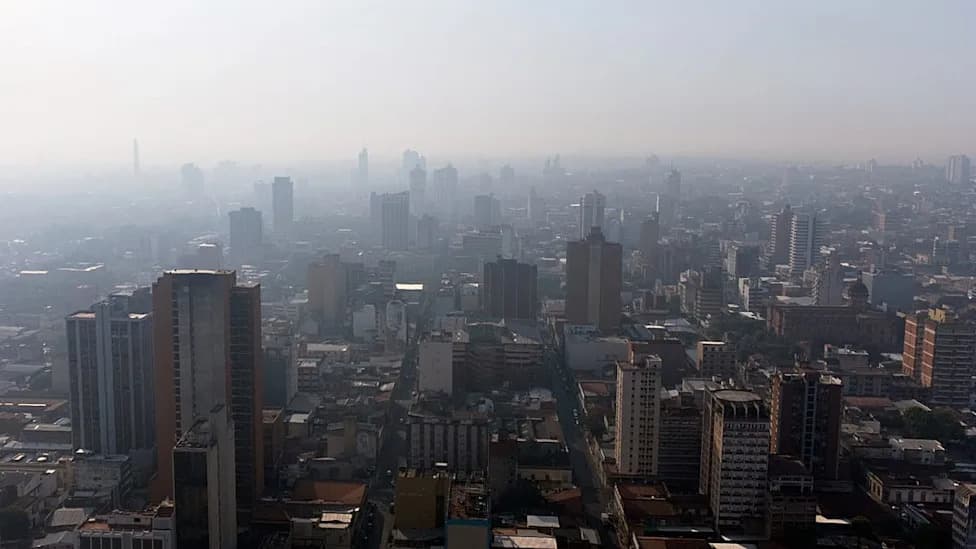
A U.S. study analyzing daily pollen levels and suicide records from 2006–2018 found a stepwise rise in suicide risk as pollen levels increased, peaking at a 7.4% increase on the highest-pollen days. Applied nationally, researchers estimate this could equal roughly 1,200 additional suicide deaths per year. People with prior mental health treatment showed an even larger effect, and the study identified heightened vulnerability among White men and Black individuals. Authors warn that climate change and the lack of consistent national pollen monitoring could amplify the problem.
High Pollen Days Tied to Up to 7.4% Rise in Suicide Risk, Study Finds
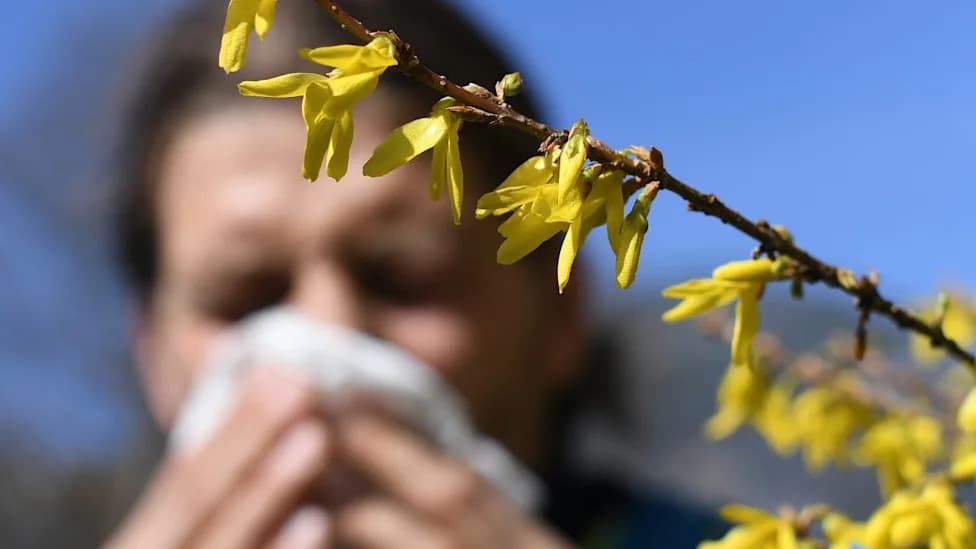
The surprising link between allergies and suicide risk explained
New research suggests that high airborne pollen may do more than trigger sneezes and itchy eyes — it appears to be linked to a small but measurable increase in suicide risk.
Study Overview
The analysis, published in the Journal of Health Economics (2025), compared daily pollen counts with suicide records from the National Violent Death Reporting System (NVDRS) covering 2006–2018. Researchers used pollen measurements from 186 counties across 34 U.S. metropolitan areas and divided pollen exposure into four tiers. They found a stepwise increase in suicide risk as pollen levels rose: 4.5% higher in the second tier, 5.5% in the third, and 7.4% in the highest pollen category.
Who Is Most Affected?
The study found stronger associations for people with a known mental health diagnosis or prior mental health treatment: on the highest-pollen days this group showed an 8.6% greater incidence of suicide. The overall effect was driven largely by White men, but the researchers also identified unexpectedly high vulnerability among Black individuals.
Possible Mechanisms
Researchers and clinical experts point to inflammation as a plausible biological pathway. When the body responds to allergens it releases cytokines and other inflammatory molecules that can affect brain circuits involved in mood regulation, potentially worsening depression, anxiety or impulsivity in vulnerable people.
Public Health Implications
Shooshan Danagoulian, an associate professor of economics and co-author, noted that a 7.4% increase can seem small at the county level — "there are fewer than one or two suicides a day in a county" — but summed across the nation it could mean about 1,200 additional deaths per year. The authors warn that climate change, which tends to lengthen and intensify pollen seasons, may increase this burden in coming decades.
"We project that pollen levels account for 1,200 extra deaths per year," Danagoulian told The Associated Press. Co-researchers also pointed to similar findings from prior studies in places such as Tokyo and Denmark, suggesting the phenomenon may be global.
Limitations and Gaps
The study focused on metropolitan areas where both pollen and NVDRS data were available; results may not fully represent rural regions or areas without reliable pollen monitoring. The authors also emphasize that the United States lacks a consistent national system for measuring and communicating pollen levels, limiting prevention and public-health responses.
What You Can Do
Healthcare providers and public health officials are encouraged to consider environmental triggers like pollen when assessing patients' mood and suicide risk. People experiencing allergy symptoms should be mindful that inflammation-driven mood changes can occur and seek medical advice if mood worsens.
If you or someone you know is in crisis: Call or text the 988 Suicide & Crisis Lifeline for free, confidential support 24/7 in the U.S. This resource can connect you to trained counselors and local services.
Sources
Study: "Seasonal Allergies And Mental Health: Do Small Health Shocks Affect Suicidality?" (2025). Data sources included the National Violent Death Reporting System. Funding acknowledged from the American Foundation for Suicide Prevention and the University of Michigan Institute for Social Research. Reporting contributions: The Associated Press, University of Michigan, PEOPLE, The New York Times.
Help us improve.