The European Commission has proposed a dedicated Frontex rapid-response unit able to deploy within 24 hours to border crises, but only at a member state's request. The plan—prompted by about 72,000 arrivals in Ceuta in late July—also expands Frontex's role in deportations and adds specially trained staff for return operations. A formal proposal for a revised Frontex mandate is expected by the end of October.
EU Proposes 24-Hour Frontex Rapid-Response Unit After Mass Ceuta Crossings
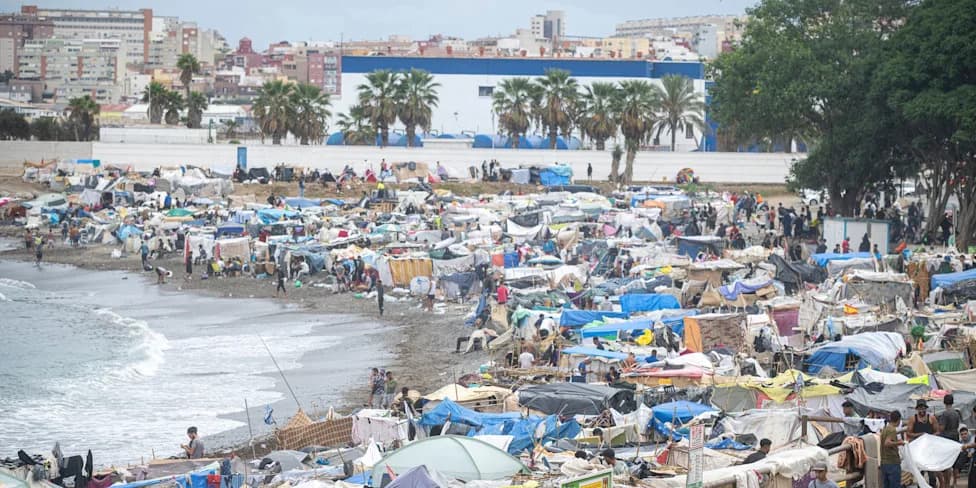
Despite the rain, migrants remain in makeshift shelters on El Trampolín Beach. (is associated with: «EU border agency to get rapid response force after Ceuta crossings») Marcos Moreno/EUROPA PRESS/dpa
The European Commission has proposed creating a dedicated rapid-response unit within Frontex, the EU's border and coastguard agency, in response to the mass migrant arrivals in the Spanish exclave of Ceuta. The plan is part of a wider action plan aimed at strengthening the EU's external borders and improving the bloc's ability to respond quickly to cross-border migration incidents.
Key Proposals
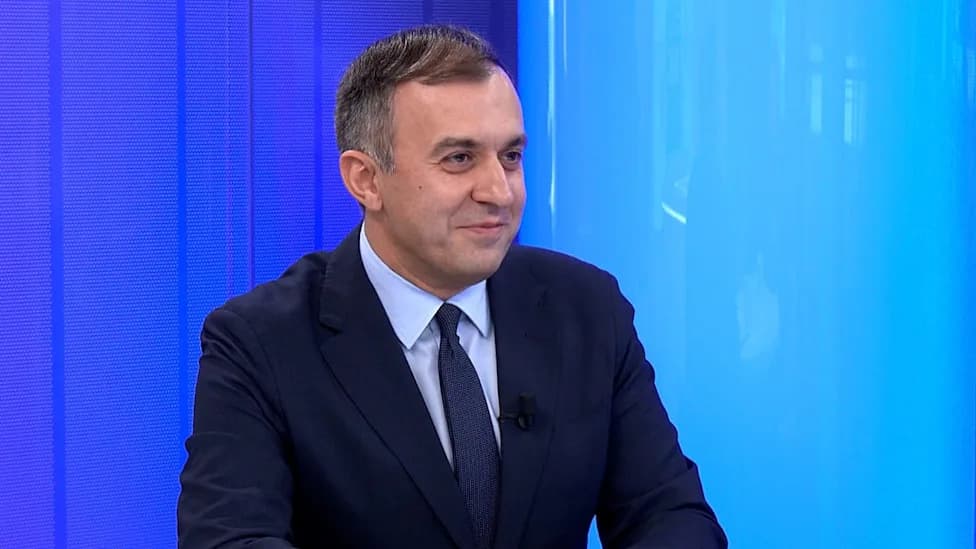
Rapid Deployment: EU Migration Commissioner Magnus Brunner said the unit would enable Frontex to be on the ground within 24 hours of a developing crisis. He emphasized, however, that Frontex personnel would continue to be deployed only at the explicit request of the affected member state.
Expanded Returns Role: The proposal also gives Frontex a larger role in carrying out deportations. Under the action plan, the agency would receive more specially trained staff to support every stage of the return process — from identifying people required to leave the EU to coordinating deportation flights.
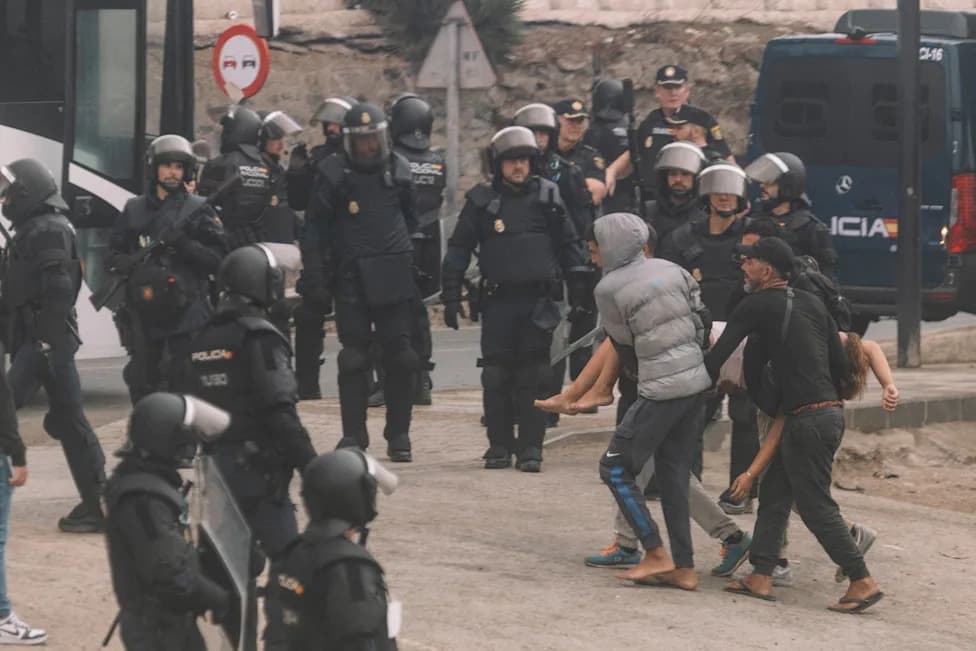
Political Context: The proposal follows a surge in arrivals in late July, when roughly 72,000 migrants reached Ceuta over the space of a few days, prompting a diplomatic incident and heated exchanges among EU member states. Manfred Weber, leader of the centre-right European People's Party (EPP), has called for Frontex to be given operational command in such situations.
What Comes Next
The European Commission is expected to present a formal proposal for a revised Frontex mandate by the end of October. If approved, the changes would increase the agency's capabilities and staffing for emergency deployment and returns, while retaining the principle that operations take place at a member state's request.
Frontex already supports several member states, including Germany, by assisting with the return of rejected asylum seekers; the new proposals would broaden and formalize that role.
Help us improve.