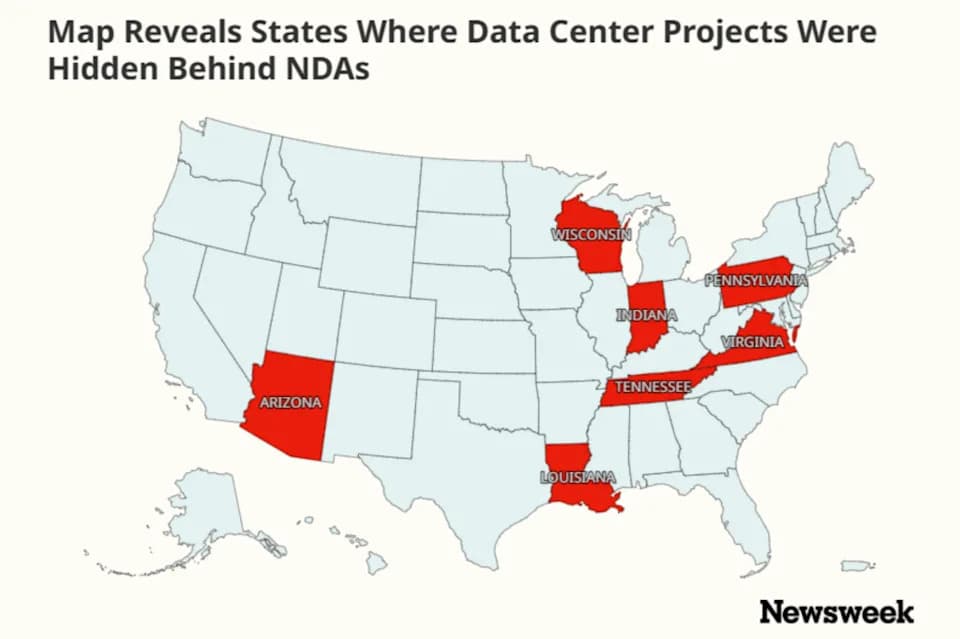
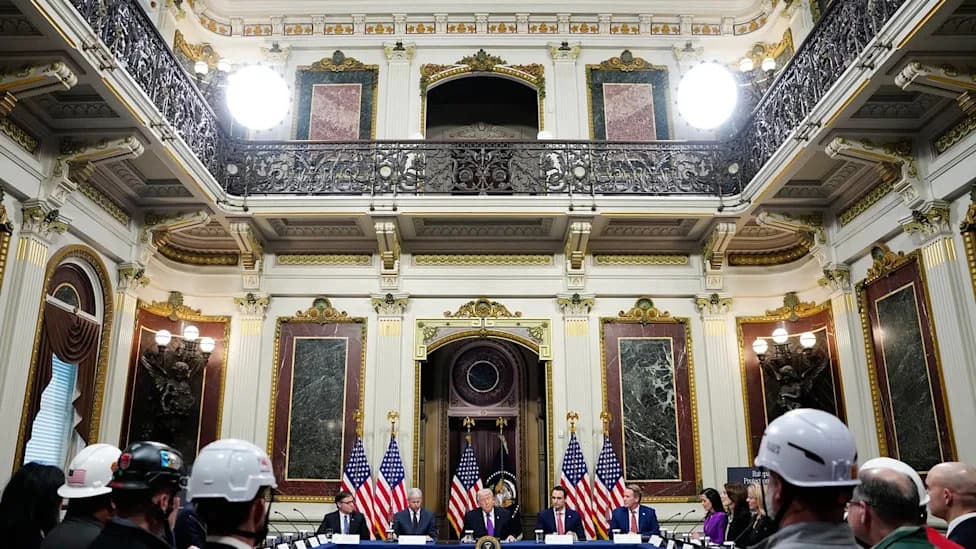
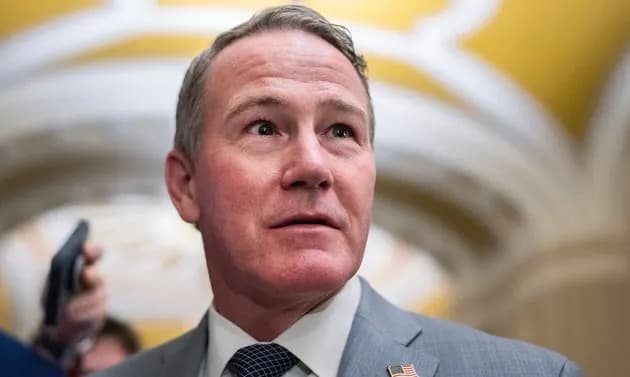
Representative Jamie Raskin has launched an investigation into Amazon, Google, Meta and Oracle over nondisclosure agreements that prevent local officials from informing residents about proposed data center projects. He has asked for companies' NDAs, projected electricity and water use, and whether confidentiality clauses have blocked public records. The probe cites use of shell companies, a confidentiality deal tied to a proposed $50 billion Meta campus, and cases where communities only learned of projects after work began. Raskin and House colleagues are pursuing legislation to limit these secrecy agreements.
Rep. Jamie Raskin Investigates Big Tech NDAs Tied to Data Center Deals
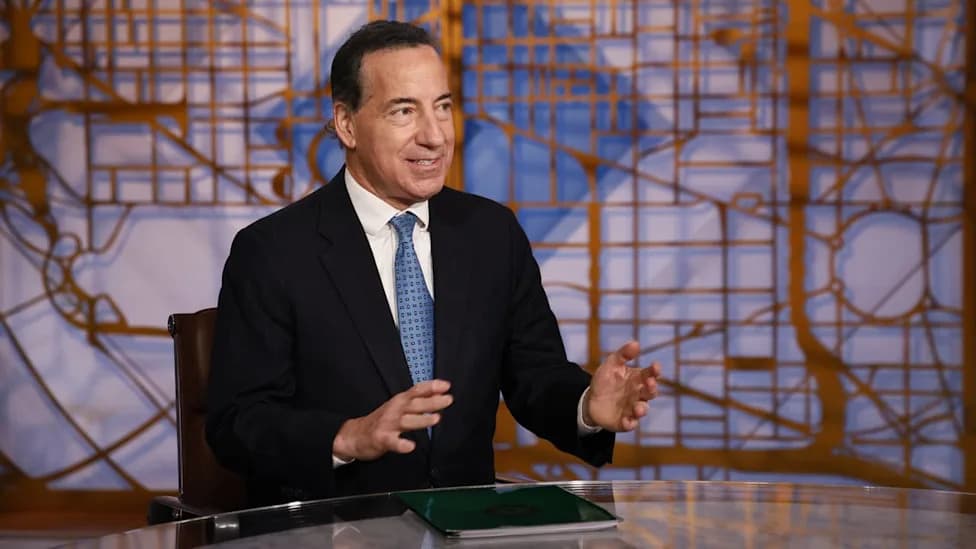
House Democrat probing Amazon, Google, Meta, and Oracle over data center NDAs hero image
Representative Jamie Raskin, the ranking Democrat on the House Judiciary Committee, opened a formal inquiry into Amazon, Alphabet's Google, Meta Platforms and Oracle over their use of nondisclosure agreements (NDAs) that bar local officials from sharing details of proposed data center projects with constituents.
What Raskin Requested
In letters to each company, Raskin asked for copies of any nondisclosure or confidentiality agreements with public officials, estimates of projected electricity and water consumption for U.S. data centers, and explanations of whether NDAs have been used to block public records requests.
"Residents cannot weigh a project's costs against its benefits, hold their officials accountable, or safeguard their own resources when the basic terms are kept secret," Raskin wrote.
Allegations and Company Practices
The letters detail company-specific concerns reported to Raskin's office. Examples include:
- Amazon has allegedly used shell companies to conceal its involvement in proposed data center projects.
- A Google representative reportedly advised San Jose officials to sign secrecy agreements to avoid potential public-relations fallout if project details were disclosed.
- Louisiana Governor Jeff Landry personally signed a confidentiality agreement with a Meta subsidiary tied to a proposed $50 billion data center campus that restricted disclosure of proposed terms and pricing involving taxpayer funds.
Context And Public Concerns
Raskin noted that as Big Tech invests heavily in AI infrastructure, his office has identified more than 1,000 new data centers in development across more than 40 states. The secrecy around many proposals has provoked sustained local opposition, with communities raising concerns about higher electricity costs, increased water consumption, environmental impacts and limited opportunities for public input.
Across 14 states, Raskin's review found many local officials had signed NDAs and worked with apparent shell companies in a majority of proposals examined. In one example from Boyce, Louisiana, residents learned about a proposed 300-acre, multibillion-dollar data center only after fences were erected and land clearing had begun; when residents asked about environmental studies, they were told the study could not be released for contractual reasons.
Responses And Legislative Action
Raskin contrasted these practices with Microsoft, which announced in March that it would no longer use NDAs with local governments. Amazon told The Wall Street Journal it has ended the practice of requiring NDAs in government data-center dealings; Google, Meta and Oracle did not immediately comment.
Last week Raskin joined Representatives Greg Landsman (D-OH) and Tom Barrett (D-MI) in introducing legislation to curb the use of secrecy agreements between tech companies and government officials in data center deals. Separately, Pennsylvania Governor Josh Shapiro issued an executive order in August banning such NDAs for state deals.
Why This Matters
The inquiry raises questions about transparency, local accountability and how public resources are committed in deals that can have long-term impacts on utility costs, water supplies and land use. The investigation could prompt changes in contracting practices or new regulatory limits on confidentiality clauses in public-sector agreements.
Help us improve.