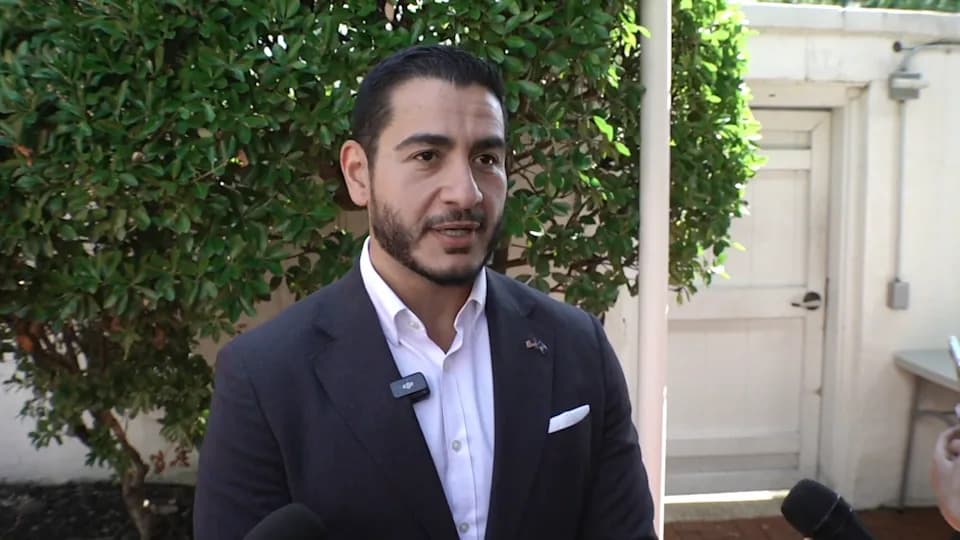
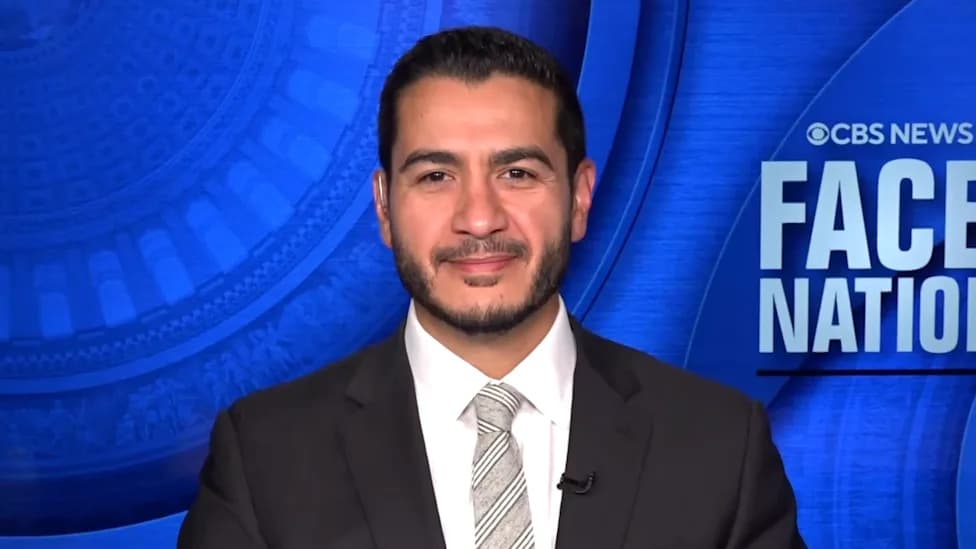
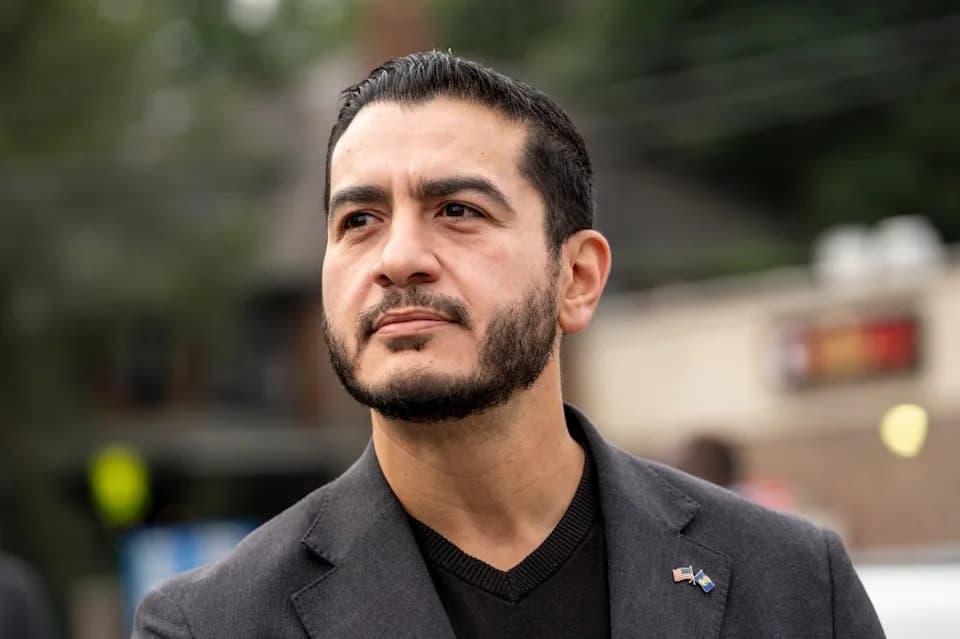
Abdul El‑Sayed disclosed household assets amid scrutiny during his 2026 Senate primary, reporting a net worth band of roughly $870,000–$2.1 million and $686,069 in 2025 income. The filings list rental properties in Ann Arbor, Bangalore and Dubai and a $50,000–$100,000 liability to a Dubai developer. Independent fact‑checks show a large gap between campaign claims about medical‑debt cancellation and verified settlement totals, and some income details remain unverified because schedules were not released.
Abdul El‑Sayed’s Financial Disclosure: What His 2025–26 Filings Reveal About Net Worth, Income and Property
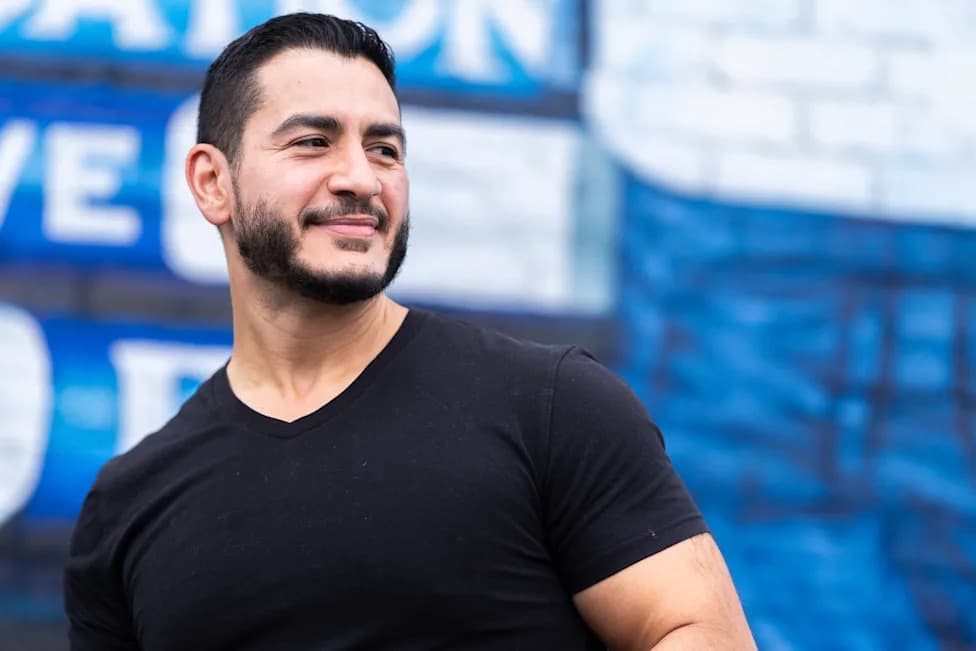
What Is Dr. Abdul El-Sayed’s Net Worth? A Look Inside His Financial Footprint
Progressive candidate Abdul El‑Sayed disclosed household assets in the wake of questions about his personal finances during the 2026 Michigan Senate primary. The filings — released amid a tight primary win on Aug. 4, 2026 — put his household net worth in a wide federal reporting band and prompted renewed scrutiny over transparency, property holdings and claims tied to his record in public health.
What the Disclosures Show
Federal filings reviewed by news outlets place El‑Sayed's household net worth between about $870,000 and $2.1 million, while Bridge Michigan estimated a slightly lower floor near $700,000. Because federal disclosures report asset ranges rather than exact amounts, an exact net worth cannot be determined from publicly available documents.
The couple listed three rental properties — in Ann Arbor, Bangalore, India, and Dubai — and reported rental income for each. The filings also show a $50,000–$100,000 liability to a Dubai developer. El‑Sayed has said the overseas properties were inherited through his wife’s family, though the disclosure records rental earnings from all three addresses.
Income And Sources
The household reported $686,069 in total income for 2025 on a two‑page federal return published by WLNS. That figure included $262,299 in capital gains and $292,881 in "additional income". El‑Sayed’s campaign attributed the additional income to podcast revenue and to his wife, Dr. Sarah Jukaku’s, clinical practice; it said the capital gains stemmed from a property sale involving her parents. The detailed schedules that would identify sources precisely were not released, leaving some items unverified.
Public Career And Context
El‑Sayed built his public profile in Michigan health leadership posts. He served as director of the Detroit Health Department (appointed 2015) and led the Wayne County Health Department from December 2022 until April 2025. Initiatives he championed include expanded lead testing, a student eyeglasses program scaled countywide, Narcan vending stations, air quality monitoring and a medical‑debt relief program that remains central to his political messaging.
"It's just too hard to get by," El‑Sayed said in the video announcing his Senate campaign, framing his debt‑relief work as part of a broader affordability agenda.
Campaign materials and ads have described sweeping results for the medical‑debt initiative, but independent checks found a narrower impact. While ads have cited up to $700 million in canceled debt, Bridge Michigan’s fact check reported a settlement figure of $57.4 million for 83,291 residents. His campaign maintains the program is ongoing and characterized some totals as cumulative or in progress.
Political And Professional Notes
El‑Sayed won the 2026 Democratic primary by roughly one percentage point over Rep. Haley Stevens after a heavily financed race. He will face Republican Mike Rogers in the November general election for a seat that could affect Senate control.
Questions also arose about his professional title: El‑Sayed earned an M.D. from Columbia (2014) and a doctorate in public health from Oxford (2011), but he does not hold a Michigan medical license. Michigan’s public health code reserves the title "physician" for those licensed or authorized to practice; rivals flagged that distinction during the campaign. El‑Sayed has said publicly, "I'm a doctor," while critics respond that licensure, not coursework alone, defines the legal use of the title.
Family And Financial Ties
El‑Sayed and his wife, Dr. Sarah Jukaku, married in 2006 after meeting as undergraduates at the University of Michigan. Jukaku, a psychiatrist who trained at Columbia and Oxford like her husband, served as co‑chief of psychiatry at University of Michigan Health before opening Mind Work Psychiatry in 2024. Reporting from the Washington Free Beacon noted she opted out of Medicare in March 2025 and does not accept insurance; opponents raised that fact in debates over El‑Sayed’s support for Medicare for All. Much of the household assets reported appear in Jukaku’s name or her family’s name, according to the filings and campaign statements.
How This Compares To Local Wealth Benchmarks
For perspective, Axios‑analyzed IRS data cited by Fox News put the approximate net worth threshold for Michigan's top 1% at about $611,500. Under reported bands, El‑Sayed's household appears to exceed that marker, a contrast likely to be a talking point on the trail as the general election approaches.
Bottom Line
The disclosure clarifies the broad contours of El‑Sayed's household finances — property holdings, a reported six‑figure income year and a mid‑six‑figure liability — but it also leaves important questions open because federal reports use ranges and the underlying schedules were not released. Those gaps have become fodder for political attacks and will likely stay central to the campaign narrative heading into November.
Help us improve.