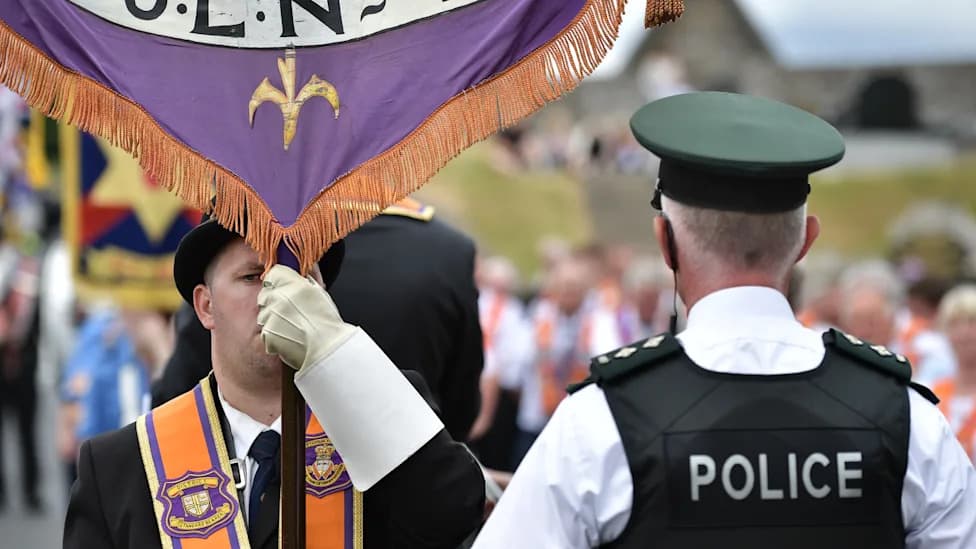
The family of an IRA member killed in Coagh in 1991 has again been granted legal aid to seek permission to appeal a decision clearing a former SAS soldier known as Soldier B. Soldier B was cleared three times after a five-year probe into his actions during six tours in Northern Ireland and says the ongoing legal challenges have caused "sleepless nights". Lower courts previously rejected the family's challenge, and the Supreme Court will now decide whether to grant leave to appeal; Soldier B has two weeks to submit written arguments.
Cleared SAS Soldier Faces Fresh Supreme Court Appeal After Legal Aid Granted
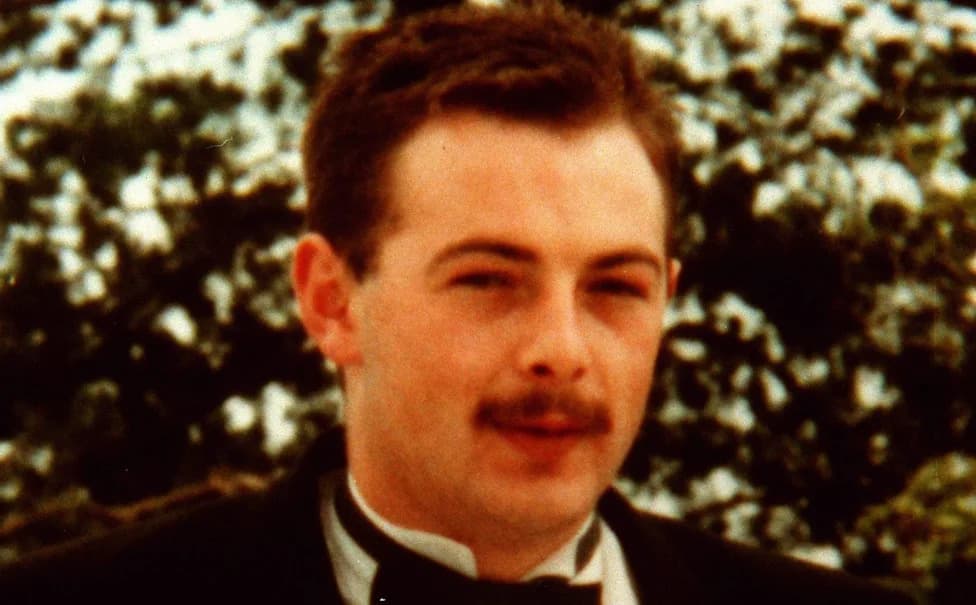
Tony Doris was the the driver of the car ambushed by British forces in the village of Coagh, Co Tyrone, in 1991
A former special forces soldier, known in court as Soldier B, says he has endured "sleepless nights" after the family of an IRA member killed in 1991 were again granted legal aid to pursue a challenge against him, his lawyer has said.
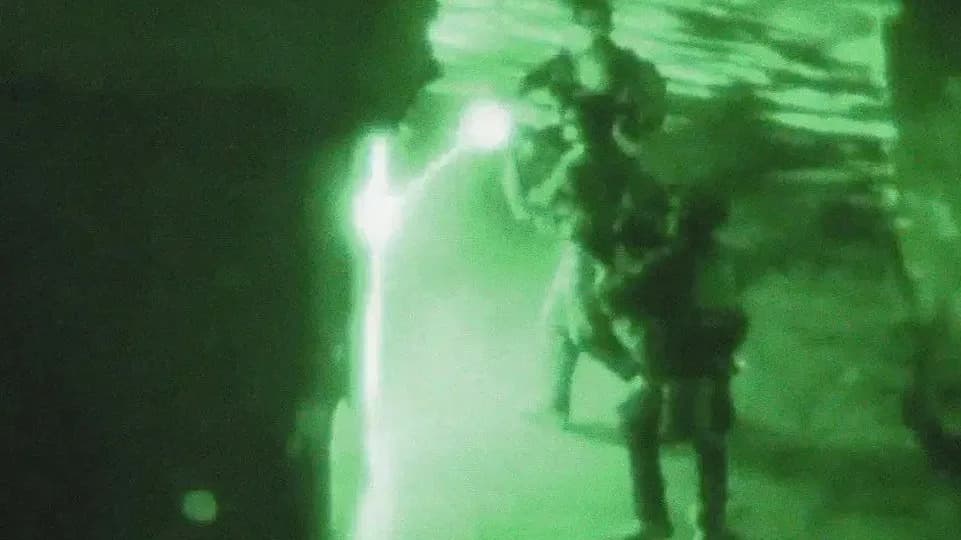
Soldier B was formally cleared for the third time last year following a five-year investigation into his conduct during six tours of duty in Northern Ireland that began in 1978. He was serving with an SAS unit that intercepted and shot dead three IRA members in June 1991 in Coagh, County Tyrone: Peter Ryan, Tony Doris and Lawrence McNally. At the time, prosecutors said the men were preparing to kill an off-duty member of the security forces.
Legal History
A coroner previously concluded that the soldiers, including Soldier B, were justified in using lethal force and described the killings as "reasonable and proportionate." The finding was later challenged by Roisin Nugent, the daughter of Tony Doris, who argued that Soldier B should have paused after each shot to reassess whether further fire was necessary. The High Court rejected that challenge and the Supreme Court dismissed the subsequent appeal.
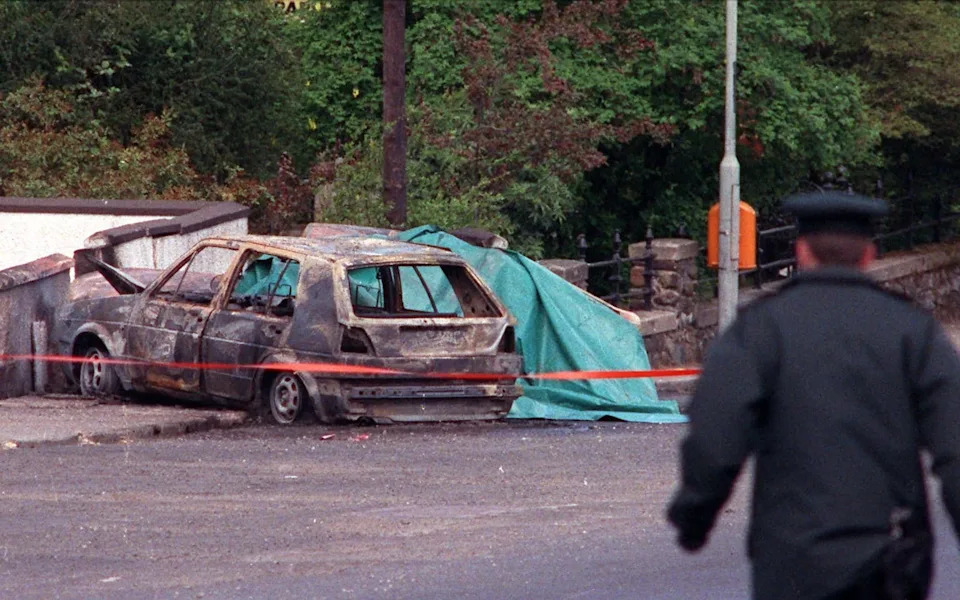
The bullet and burnt out car in which three IRA men were shot dead by the SAS in Coagh in 1991
Philip Barden, a partner at Devonshires Solicitors representing Soldier B, said the family of Doris has now been granted legal aid again to seek permission to return to the Supreme Court. Mr Barden warned that the renewed legal aid decision means the matter remains open and that Soldier B continues to suffer the stress of ongoing proceedings: "He is aware the case against him is not closed and it's still ongoing. He has endured sleepless nights and the continued stress that comes with these accusations."
Soldier B has two weeks to file written submissions before the Supreme Court decides whether to grant leave to appeal. Mr Barden criticised the repeated authorisation of legal aid, noting that two lower courts had been critical of granting it previously.
Responses
At the High Court hearing in Belfast in October, Mr Justice McAlinden described allowing a judicial review of the SAS action as "ludicrous" and "unmeritorious," saying the grounds for the challenge were "utterly divorced from the reality of the circumstances and challenges faced by Soldier B and the other soldiers." He added that Soldier B had only a "split second" to act to stop what he honestly believed to be a PIRA (Provisional IRA) active service unit.
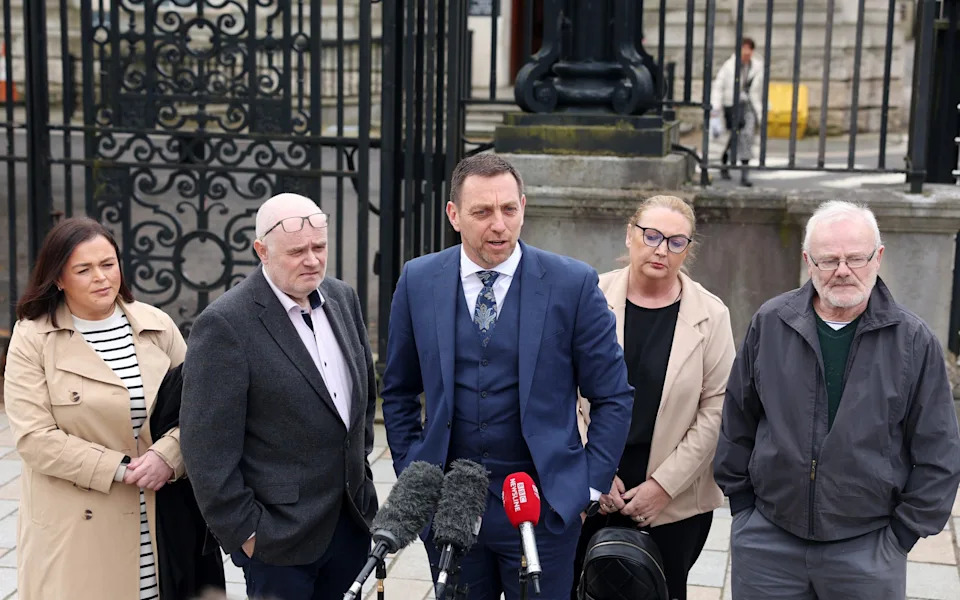
Relatives of the three IRA men attended the 2024 inquest in Belfast's High Court - Press Eye
A spokesperson for the SAS Regimental Association said the case demonstrated how "the legal process is abused and it is the process that is the punishment," calling the proceedings "purely vexatious" and critical of taxpayer-funded legal aid being used without sufficient checks and transparency.
A Northern Ireland Justice Department spokesperson said: "The Legal Services Agency does not comment on the details of individual cases."
Status: The Supreme Court will decide whether to grant leave to appeal. If permission is given, legal aid may be extended and proceedings will continue.
Help us improve.