The Court of Appeal lifted a High Court injunction that had barred the Orange Order's Drumcree parade along Portadown's Garvaghy Road, but ordered a fresh High Court hearing tonight. The Parades Commission had permitted a limited procession — 35 participants, no bands, departing by 08:00 BST — a decision challenged by local residents who argued police risk assessments addressed only past incidents. Crowds gathered and security measures, including mutual aid from other forces, were activated as political and religious leaders urged calm. The dispute dates back to the 1990s and remains a sensitive flashpoint for the community.
Court Of Appeal Lifts Drumcree Ban As High Court Orders Fresh Hearing Tonight
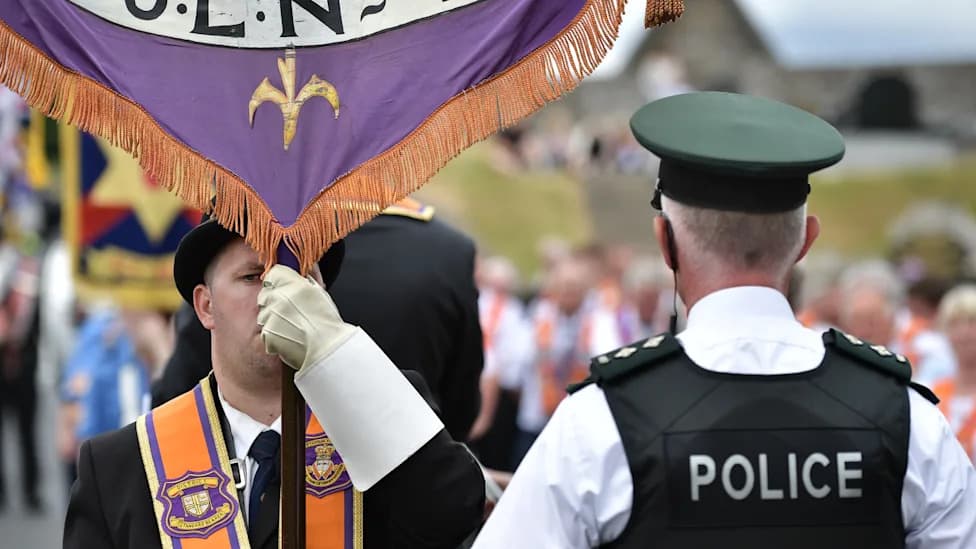
The parade (pictured above in 2018 on a 20th anniversary protest) had been halted due to a temporary injunction being granted at the High Court in Belfast. [Getty Images]
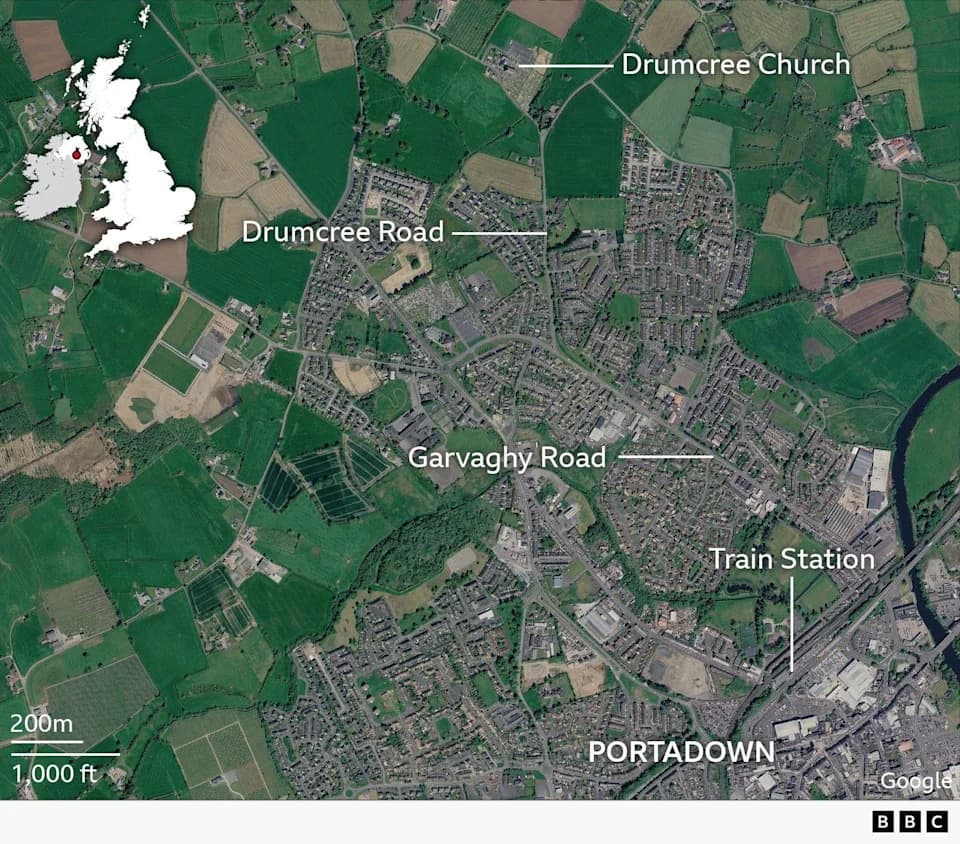
The Court of Appeal overturned a High Court injunction that had blocked the Orange Order's Drumcree parade along Portadown's largely nationalist Garvaghy Road, but authorised a fresh High Court hearing to be relisted tonight before a different judge.
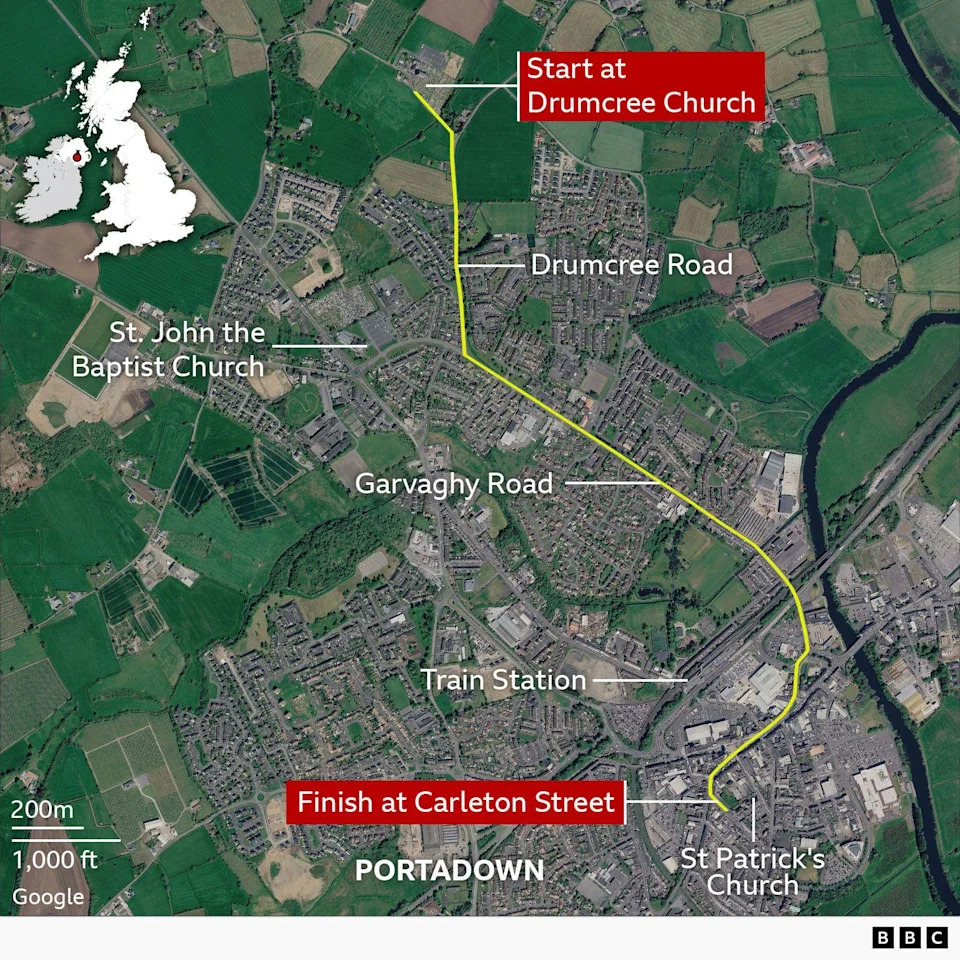
[BBC]
Immediate Developments
The Parades Commission had already granted permission for the march to proceed under strict conditions: a departure from Drumcree Parish Church no later than 08:00 BST, a maximum of 35 participants (down from the 60 requested), and no bands or supporters. That determination was challenged by the Garvaghy Road Residents Coalition, which secured a temporary injunction from Judge Patricia Smyth on Saturday, citing the long-running dispute's "potential to escalate." The Court of Appeal lifted that injunction late on Saturday, but ordered that the case be reheard in the High Court tonight.

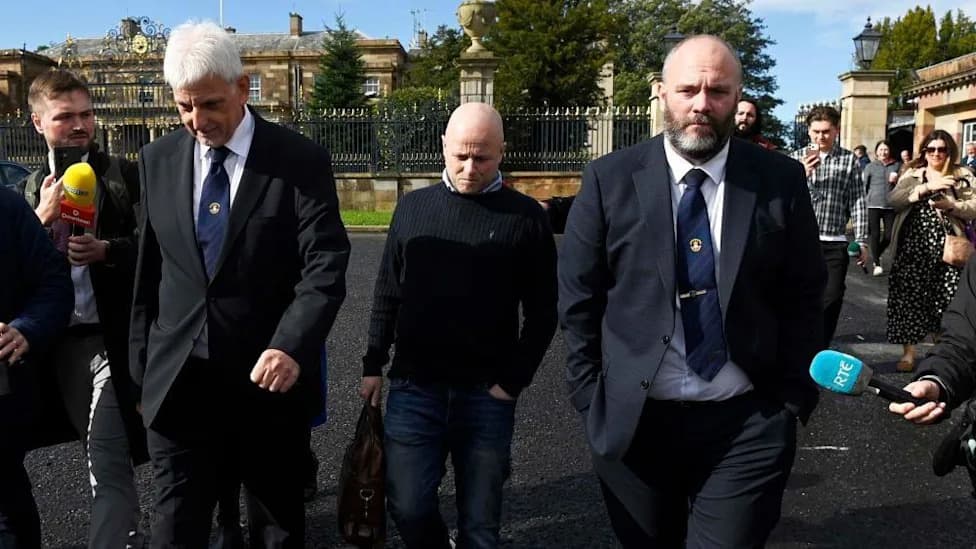
Breandan Mac Cionnaith outside the High Court on Saturday [PA Media]
Police, Crowds And Security Concerns
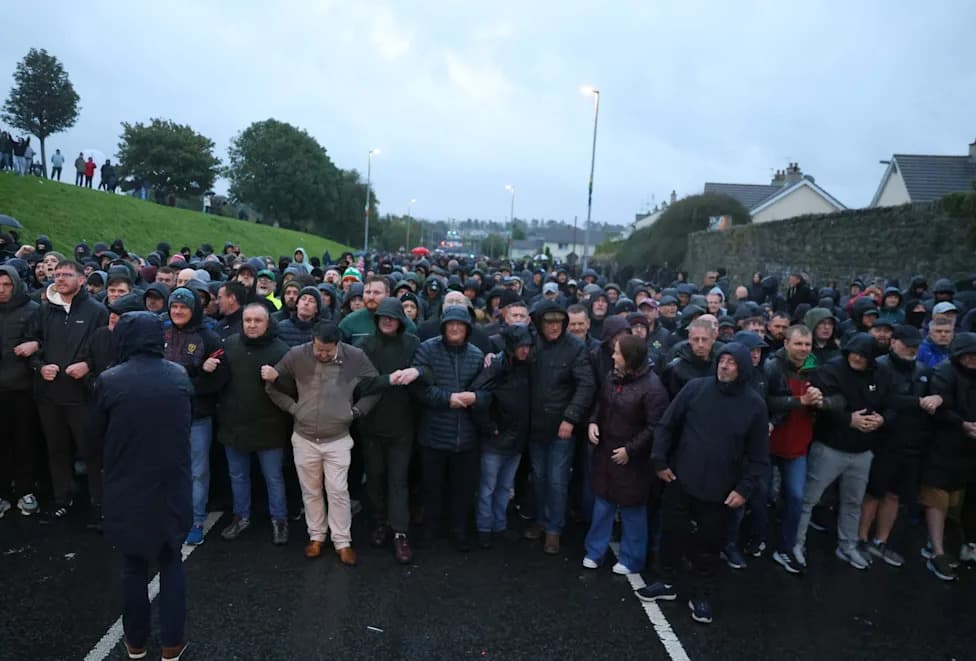
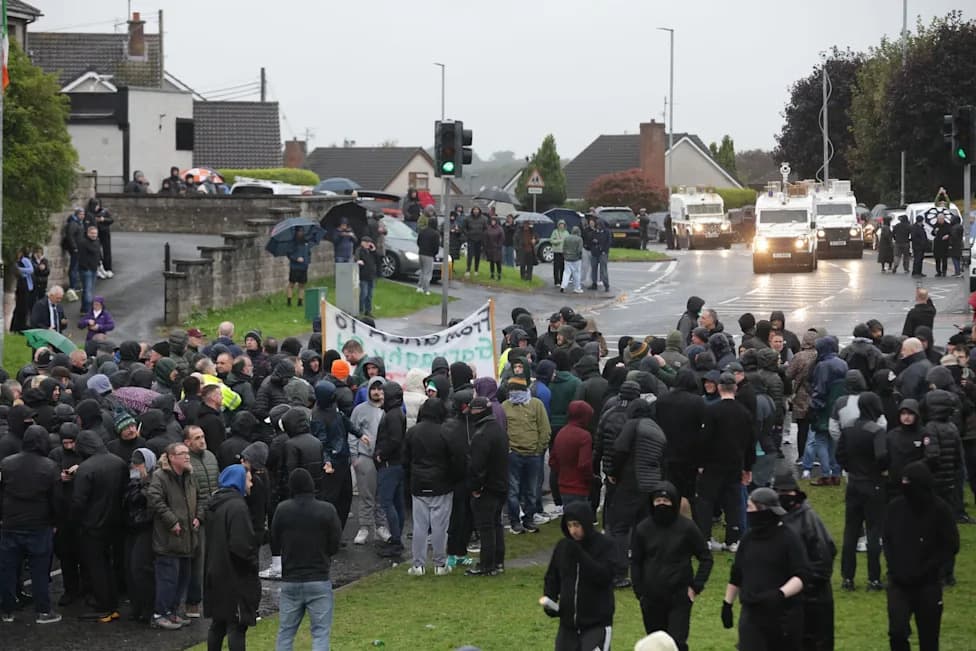
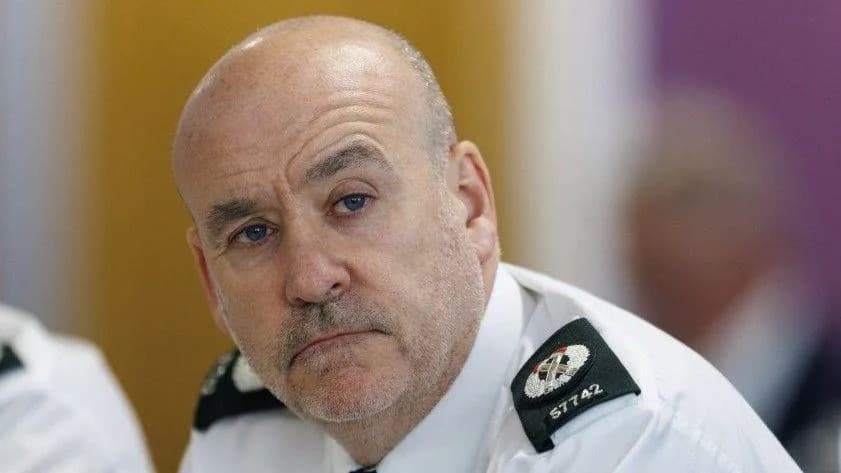
Tensions rose after the appeal court's decision: large crowds gathered on the Garvaghy Road, masked individuals reportedly blocked the north end of the route near Drumcree, and supporters of the Orange Order assembled at the Drumcree Centre while the appeal was heard. The Police Service of Northern Ireland (PSNI) said it had activated mutual aid arrangements and that around 200 officers were understood to be arriving from Scotland to support contingency planning.
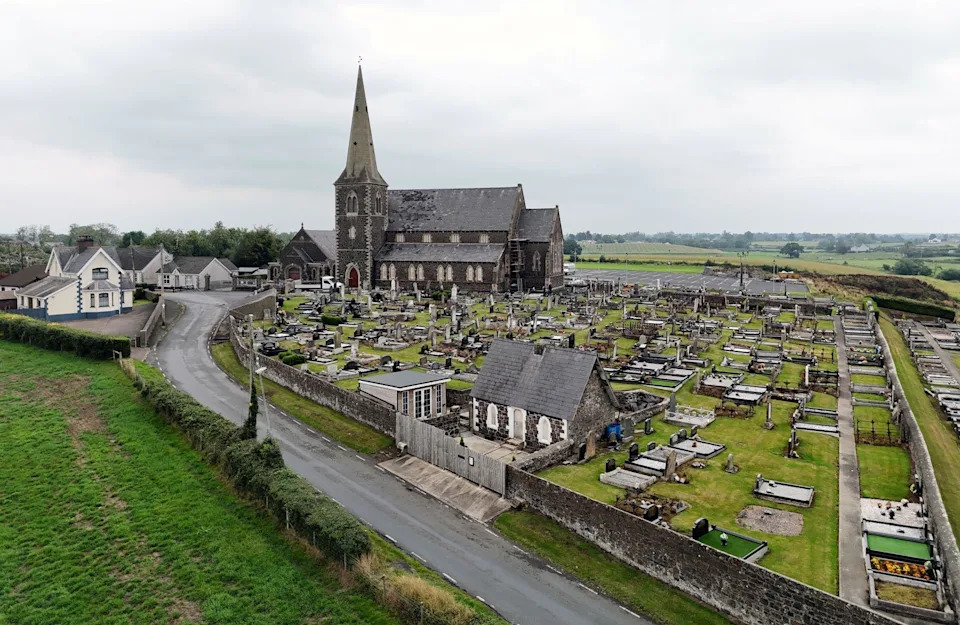
The Parades Commission has determined that the parade can depart Drumcree Parish Church no later than 08:00 BST on Sunday [PA Media]
Legal Arguments
The residents' legal team, led by Denise Kiley KC, told the court the PSNI's submission to the Parades Commission was focused on past incidents and contained "no assessment of future risk," arguing the commission should explain this discrepancy and that more time was required to address those gaps. Judge Smyth, who issued the temporary injunction, said the level of mistrust between residents and the lodge "cannot be overstated" and that all parties needed full opportunity to have their issues "properly ventilated."
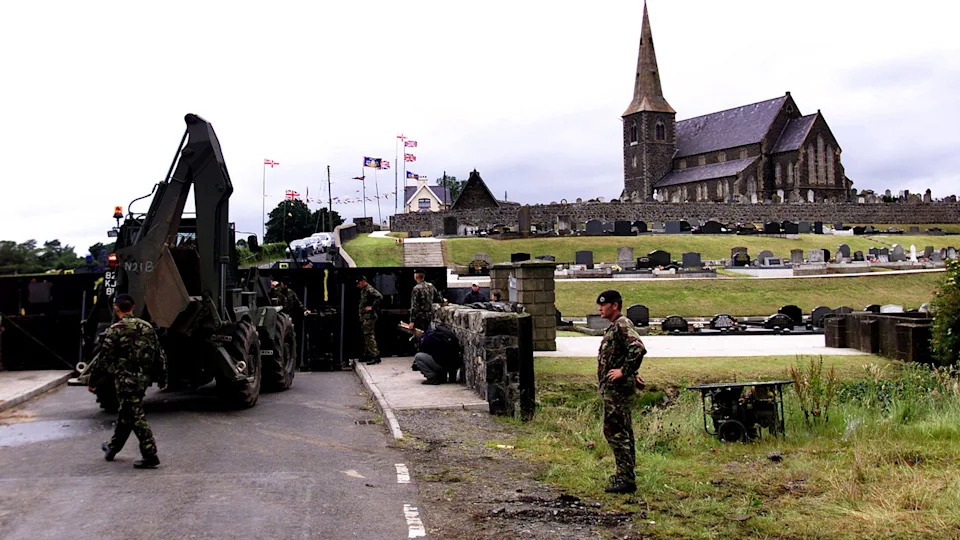
British soldiers erect a security fence at Drumcree Church in July 2002 [Getty Images]
Community And Political Reactions
Breandan Mac Cionnaith of the Garvaghy Road Residents Coalition said on the ground: "There's no such thing as justice or rights for our community. I'm going back to help defend my community," and later warned supporters not to be "triumphalist." Sinn Féin president Mary Lou McDonald called the development a "disgrace," while Stormont First Minister Michelle O'Neill said: "There is no going back. Not tomorrow. Not ever."
Unionist leaders urged respect for the legal process. DUP leader Gavin Robinson praised the Portadown Orangemen for conducting themselves with "dignity and respect for the rule of law for 28 years" and asked that all parties await the appeal court's formal decision. SDLP leader Claire Hanna and Alliance deputy leader Eóin Tennyson urged calm and responsible responses.
Church And Local Concerns
Local clergy expressed concern about the timing. Drumcree Catholic parish lists Mass at St John the Baptist at 08:30 on Sundays; priests warned the procession could clash with worshippers arriving or leaving. Archbishop Eamon Martin called for "prayers and support for a peaceful resolution" and urged the patient use of lawful, democratic processes.
Historical Context
The Drumcree dispute dates to the mid-1990s and almost derailed the peace process, producing riots, roadblocks and fatalities. The Parades Commission was established in 1998 to regulate contentious marches; its previous Drumcree decision was quashed in the High Court in August, prompting a review ordered by the Northern Ireland Office. With the appeal court lifting the temporary ban and a new High Court hearing ordered, the legal and security positions remain fluid as authorities, community leaders and residents prepare for further hearings.
Key Facts: Appeal court lifts injunction; High Court to rehear case tonight; Parades Commission allowed a limited march (35 participants, no bands, depart by 08:00 BST); PSNI has mobilised mutual aid; historically charged dispute with potential to escalate.
Help us improve.