The Ivorian government has launched a crackdown on illegal artisanal gold mining, pledging to eradicate clandestine pits within six months and raising penalties to as much as 20 years in prison. Authorities say illicit mining has caused severe environmental damage — including mercury pollution of Lake Kossou — harmed local agriculture, and generated illicit revenues that may fuel Sahel armed groups. Since 2021 nearly 4,500 people have been prosecuted and around 8,500 pits dismantled, though critics say ringleaders often escape justice.
Ivory Coast Cracks Down On Illegal Gold Rush Amid Environmental and Security Threats
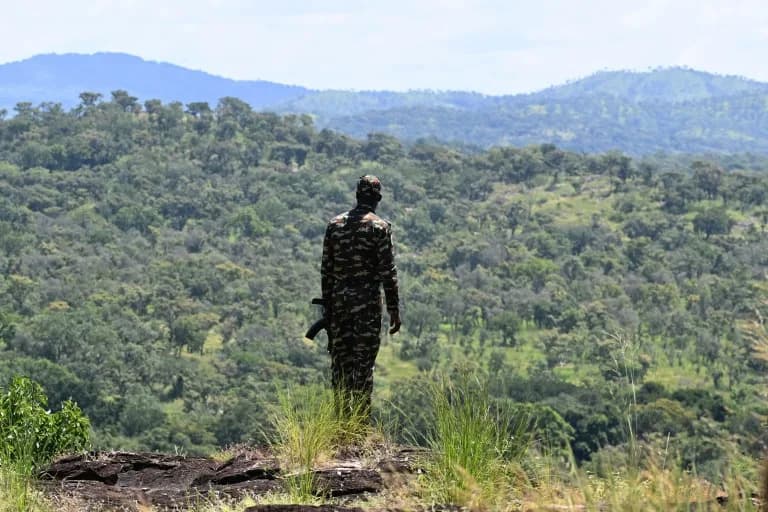
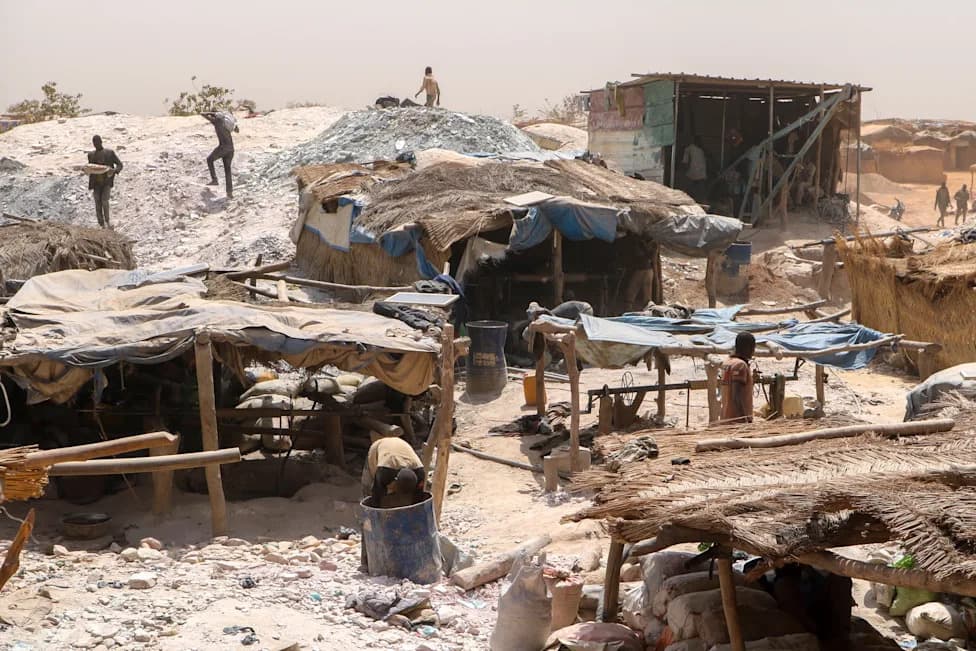
As across much of west Africa, particularly Burkina Faso, Ghana and Mali, Ivory Coast is experiencing a boom in both legal and illegal artisanal gold mining (Issouf SANOGO)
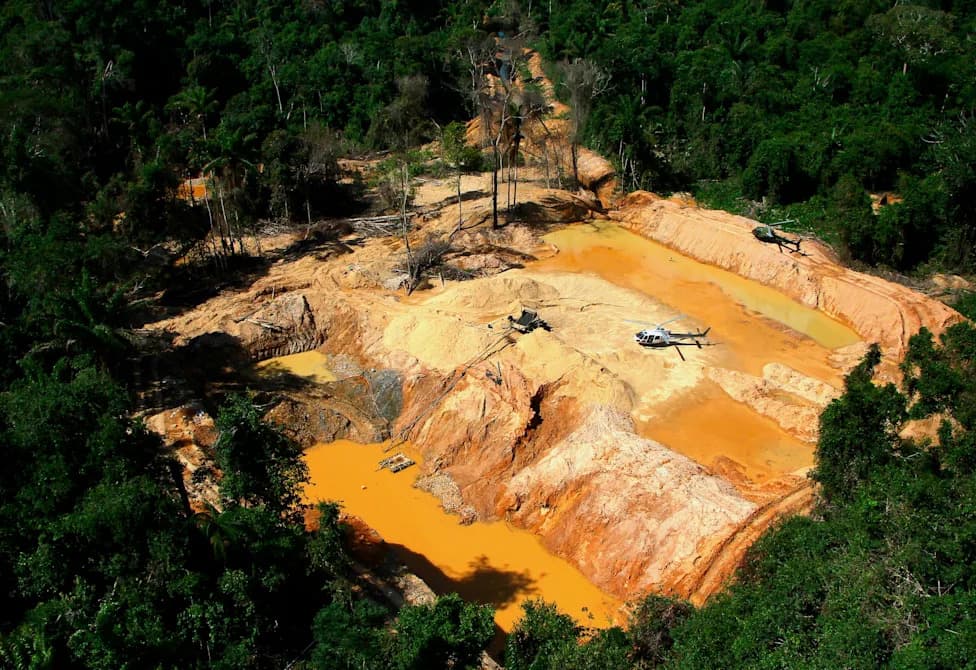
A wide, man-made chasm dug by roughly a hundred prospectors is all that remains of an illegal gold site near the central Ivorian village of Baziafla — one of dozens of clandestine pits the government says it will eliminate within six months.
Government Response
Bordered by tall grass, the crater was excavated over several weeks using spades, pickaxes and crushers before local authorities forced the miners to leave. This month the Ivorian government tightened penalties for irregular mining, increasing potential prison sentences to as long as 20 years, and has expanded surveillance and the number of enforcement brigades deployed to tackle the problem.
Environmental And Health Consequences
Officials and experts warn that illegal artisanal gold mining is a serious environmental and public health threat. Prospectors often use mercury to bind gold from dredged sediments; toxic residues are then discarded into waterways, including Lake Kossou. Local officials say the pollution has reduced fish reproduction and damaged farmland, undermining local food production and livelihoods.
Security And Economic Implications
Beyond environmental harm, authorities and analysts say the illicit gold trade fuels insecurity in the Sahel by generating profits that can flow to jihadist and other armed groups. Illicit sales also divert millions of dollars from the state treasury in a country whose official gold production has risen sharply in recent years.
Scale Of The Problem And Enforcement Data
Official figures show gold output nearly quadrupled from 13 tonnes in 2012 to 51 tonnes in 2023. Since 2021, nearly 4,500 people — about 65% of them foreigners, according to officials — have been prosecuted for irregular mining and authorities say they have dismantled roughly 8,500 illegal pits. Yet critics argue enforcement typically targets small-scale operators while ringleaders and financiers often evade punishment.
Voices From The Ground
Local officials such as Gueu Georges Gombagui of Marahoue urge communities to report illegal operations: "To put an end to illegal gold mining, we have to stamp out all forms of complicity." But village leaders say they lack the capacity to confront armed or organized prospectors. Residents describe recruited workers — including women washing sediments for nuggets and youths supplying fuel — and stress that many turn to informal mining because of limited economic opportunities.
Recent Actions And Local Impact
In the commune of Bore, about 200 kilometres from Baziafla, dozens of pits beside the main road show where miners had been active before authorities expelled them in early September; shacks used by prospectors for more than a decade were destroyed. Regional officials say Marahoue alone accounts for around 15 identified artisanal sites.
Outlook: The government’s tighter penalties and stepped-up enforcement aim to curb the environmental damage and the financing of armed groups, but lasting progress will likely require stronger governance, targeted economic alternatives for local communities, and follow-through to hold financiers and ringleaders accountable.
Help us improve.