Ross Coulthart interviews filmmaker Darcy Weir about secret‑space program narratives and how they spread on the New Age circuit and Gaia TV. Weir highlights a 2022 deposition in which Corey Goode reportedly said he never went to space and describes copyright actions that removed film content. The episode contrasts sensational stories like 20 And Back and med beds with documented covert programs such as the Manned Orbiting Laboratory and X‑37B, and reviews orbital anomalies captured by military sensors and astronauts.
Reality Check: Separating Secret‑Space Myth from Documented Covert Activity
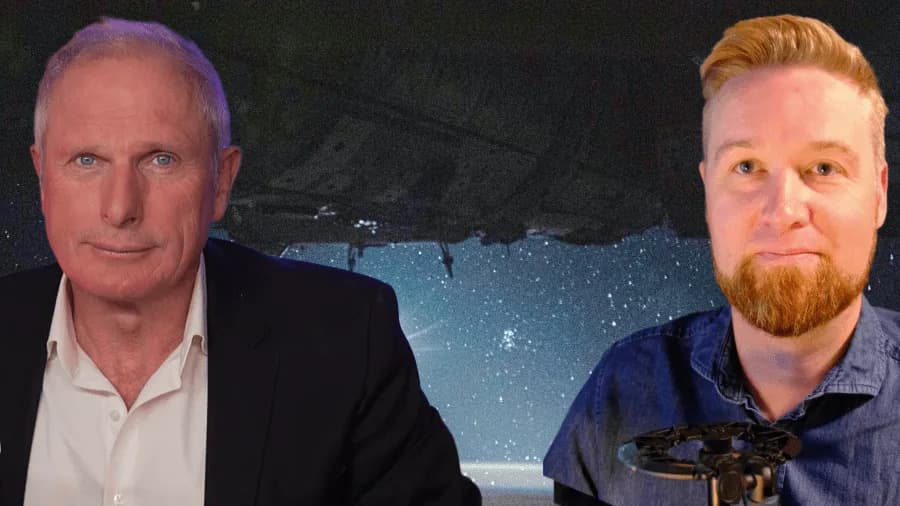
In this episode of Reality Check, host Ross Coulthart interviews Canadian documentarian Darcy Weir about the rise and spread of “secret space program” narratives on the New Age circuit and streaming platforms. The conversation contrasts sensational claims promoted by personalities such as Corey Goode and David Wilcock with verifiable records of covert and classified space activity.
Key Revelations and Claims Examined
Weir recounts a 2022 deposition in which Corey Goode reportedly stated he had never physically traveled to space. He also describes copyright actions that temporarily removed one of his earlier films from distribution and traces how stories like 20 And Back, the Dark Fleet mythos and so‑called med beds were amplified through Gaia TV programming.
Myth Versus Documented Programs
Coulthart and Weir separate popular mythology from historical and contemporary programs that are on record. They review Cold War and post‑Cold War projects including the U.S. Manned Orbiting Laboratory (MOL), the single‑vehicle X‑37B orbital test program, and well‑publicized intrusions such as Gary McKinnon’s breach of NASA systems.
People, Companies, And Misattributions
The pair examine David Wilcock’s later association as a director at Stavatti Aerospace and recount a company statement read on air about an insider’s alleged “space fighter” sketch. Investigators cross‑checked that drawing and concluded it more closely matched a cancelled Navy attack aircraft than an otherworldly design.
Orbital Anomalies And Sensor Reports
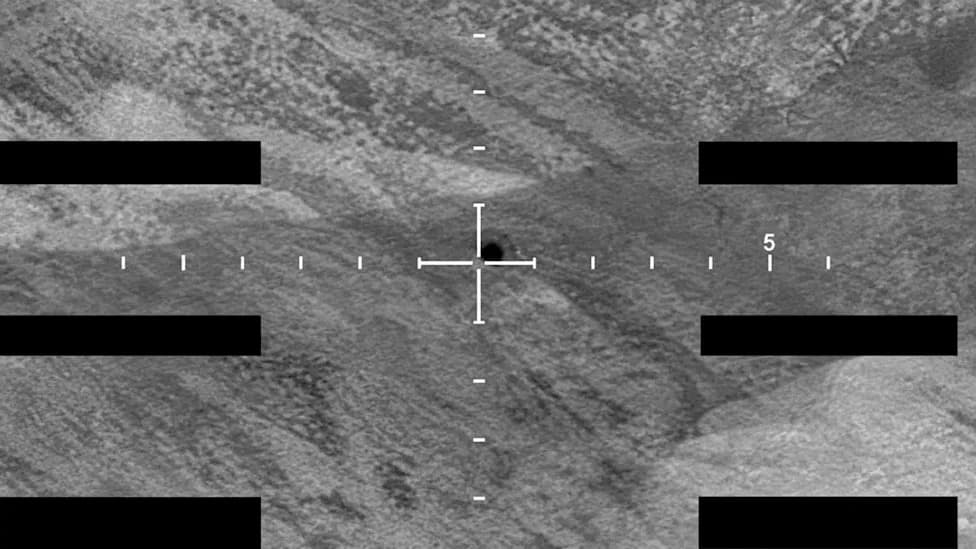
The final segment reviews orbital encounters witnessed by NASA astronauts and recorded by military sensors: the mysterious Skylab 3 object, entries from the Air Force Fast Walker database, footage from DSP Flight 7, and STS‑80 imagery. Many of these items are now referenced as unidentified in the government’s recent Pursue release, and Coulthart and Weir use them to illustrate how credible sensor reports can be sensationalized or misattributed.
Filmmaker’s Aim
Darcy Weir says his films — Dark Alliance and Dark Alliance: The Next Generation — aim to apply rigorous research and cinematic storytelling to complex mysteries, from UAPs and cryptids to technology and finance, so that public debate is informed by evidence rather than unchecked hype.
Note: This summary is based on the Reality Check episode and related reporting. It distinguishes widely circulated claims from verifiable programs and documented sensor data.
Help us improve.