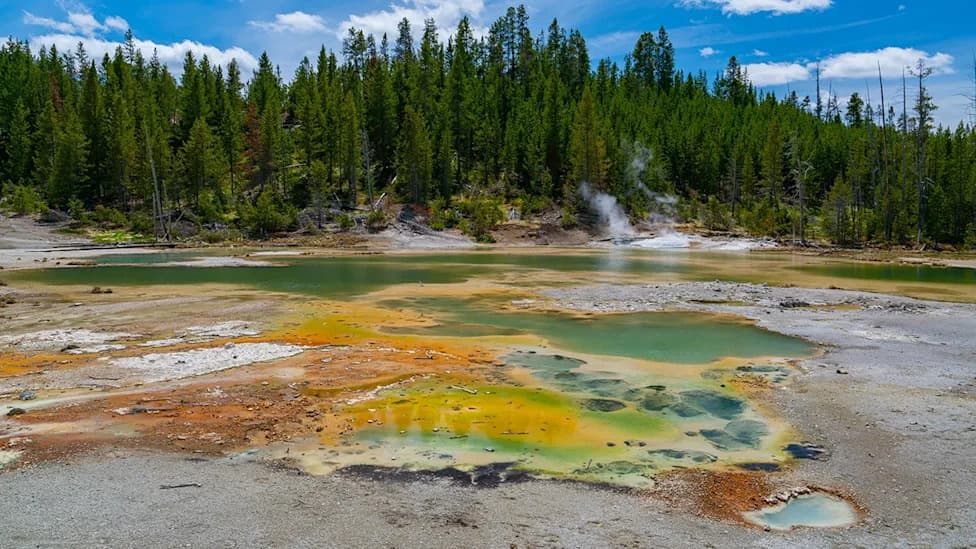
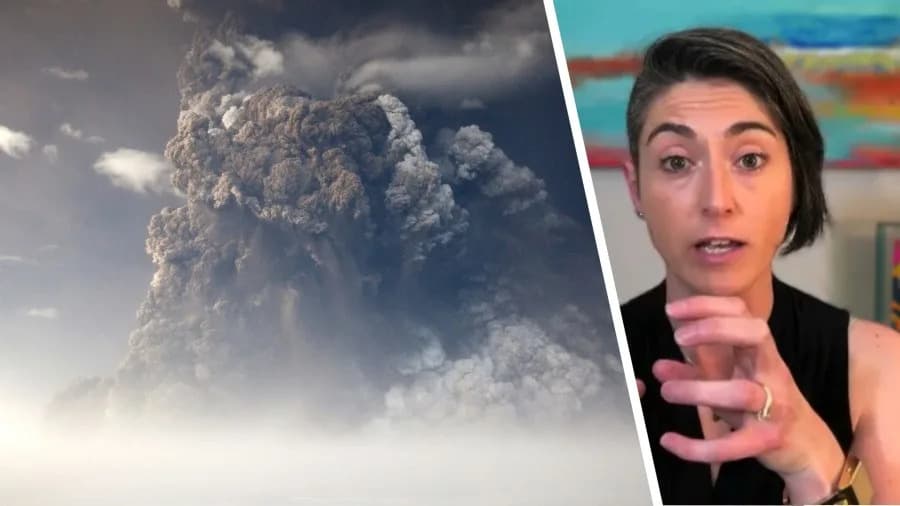
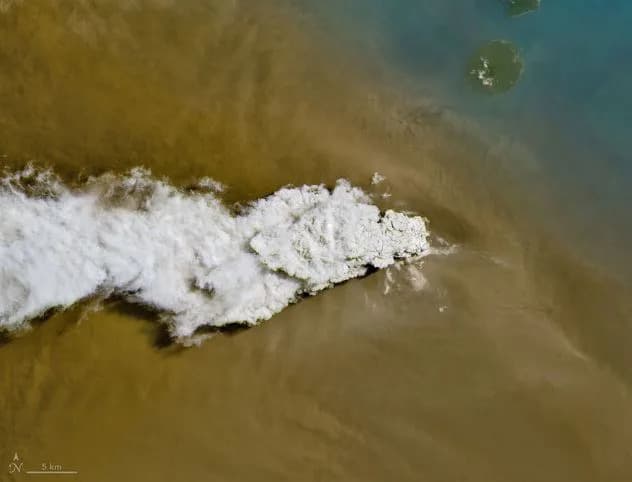
Yellowstone is one of about two dozen supervolcano systems worldwide and the most prominent in the U.S. Modern monitoring would likely provide days to weeks of warning, enabling evacuations that would save many lives. A full-scale supereruption could blanket large areas with ash, collapse infrastructure and cool global temperatures by roughly 1.5°C, triggering widespread crop failures. Researchers estimate the indirect humanitarian toll could reach hundreds of millions within a decade, with long-lasting global consequences.
If Yellowstone Blew Its Top: How a Supervolcano Eruption Could Reshape the World
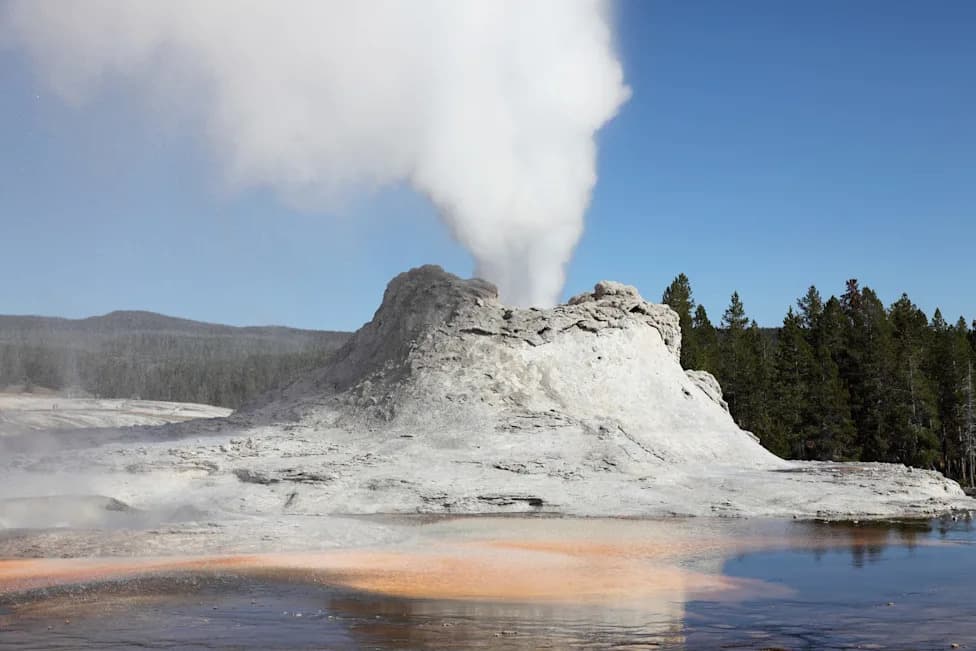
What If the Yellowstone Supervolcano Erupted?Stocktrek Images/Richard Roscoe - Getty Images
Yellowstone is one of roughly two dozen supervolcano systems on Earth and the most closely watched in the United States. While an eruption of the size classified as a "supereruption" is unlikely in the near term, the consequences of such an event would be profound locally and globally.
What Is A Supervolcano?
Supervolcanoes are volcanic systems capable of erupting at least 1,000 cubic kilometers (≈240 cubic miles) of ash, rock and lava in a single event—an eruption rated VEI 8, the most explosive category on the Volcanic Explosivity Index. By comparison, the May 1980 Mount St. Helens eruption produced about 0.25 cubic kilometers of material.
Yellowstone's Past And Present
Yellowstone has produced three very large eruptions over the last 2.1 million years. About 640,000 years ago it expelled roughly 240 cubic miles (≈1,000 km³) of material; about 1.3 million years ago it erupted a volume roughly one-third that size; and the oldest event, about 2.1 million years ago, released approximately 588 cubic miles (≈2,450 km³). Recent USGS estimates suggest Yellowstone's rhyolite magma reservoir is only about 5–15% molten, making an imminent supereruption unlikely.
Could We Detect An Impending Eruption?
Yes. Yellowstone is one of the most intensively monitored volcanic systems in the world. Typical precursors to major eruptions include migrating swarms of small earthquakes, accelerating uplift of the ground surface detected by satellites and GPS, gas emissions and increased geothermal activity. Agencies such as the United States Geological Survey (USGS) and the Yellowstone Volcano Observatory coordinate monitoring and response plans; these systems would likely provide days to weeks of warning if magma was actively intruding toward the surface.
Immediate Local Effects
If a large explosive eruption occurred, nearby regions could be buried under feet of hot ash and pumice. Wet ash can short-circuit electrical substations, block air filters and engines, collapse roofs under heavy loads, contaminate water supplies and disrupt transportation. Even with evacuation plans in place, some residents would likely remain in place and suffer severe consequences from the initial blast and pyroclastic activity.
Regional To Global Consequences
When thousands of cubic kilometers of ash and gases—especially sulfur dioxide—are lofted into the stratosphere, they form reflective aerosols that reduce incoming sunlight. Models and historical analogs suggest a major Yellowstone-scale eruption could cool global average temperatures by roughly 1.5°C for a period following the event. That cooling, combined with massive ashfall across North America, would likely devastate regional agriculture, disrupt global food supplies and trigger large-scale humanitarian crises.
Human Toll And Long-Term Impact
Researchers who modeled plausible scenarios—such as the team writing for The Conversation from University College London and Coventry University—estimate that indirect effects (crop failure, infrastructure collapse, disease and pollution) could cause hundreds of millions of deaths within a decade and potentially contribute to more than a billion premature deaths when larger pollution and social breakdowns are included. Importantly, while such an eruption would be catastrophic on human timescales, current evidence indicates humanity as a species would survive.
Preparedness And Uncertainties
Key mitigations would include timely evacuation, international coordination on food and aid distribution, protection and restoration of water supplies, rapid repair of critical infrastructure, and public-health measures. Large uncertainties remain in eruption timing, exact volumes of erupted material, atmospheric chemistry and the global economic response—so scenario estimates carry significant uncertainty.
Bottom line: A Yellowstone supereruption remains unlikely in the near term, but if it occurred the local devastation would be enormous and the global impacts—through cooling, crop failures and infrastructure collapse—could reshape societies for decades. Vigilant monitoring and contingency planning improve our chances of reducing casualties and maintaining social resilience.
Help us improve.