Summary: A Channel 4 documentary reconstructs the investigation into the killing of 45‑year‑old Angela Shellis, found in Prestatyn on 25 October 2025. Her son, 18‑year‑old Tristan Roberts, pleaded guilty to murder after Dictaphone recordings, CCTV and digital evidence linked him to the attack. Roberts was sentenced at Mold Crown Court to life with a minimum term of 22½ years. Police described the crime scene as "like something out of a horror film," and evidence included items seized from the home and online activity showing prolonged violent and misogynistic behaviour.
‘Like A Horror Film’: Inside The Investigation That Sent Tristan Roberts To Prison For Killing His Mother
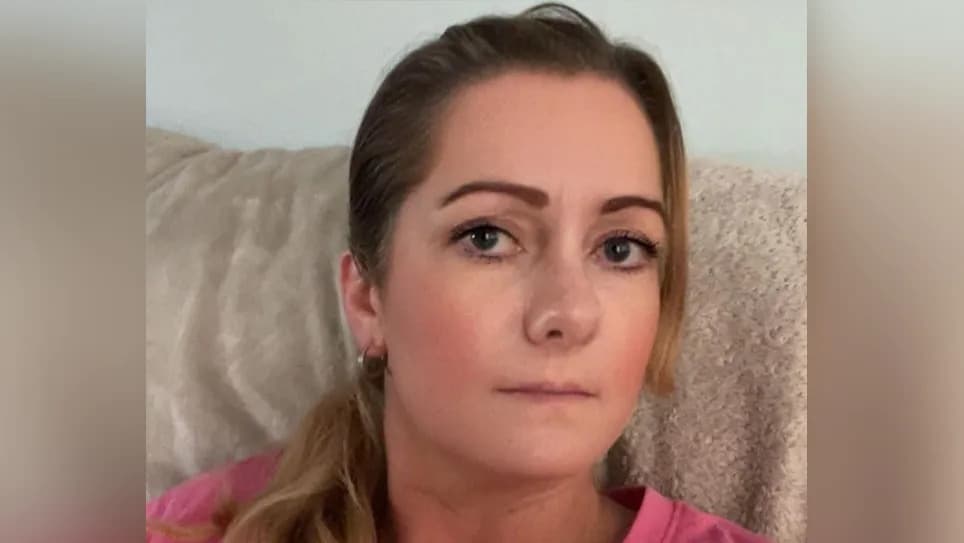
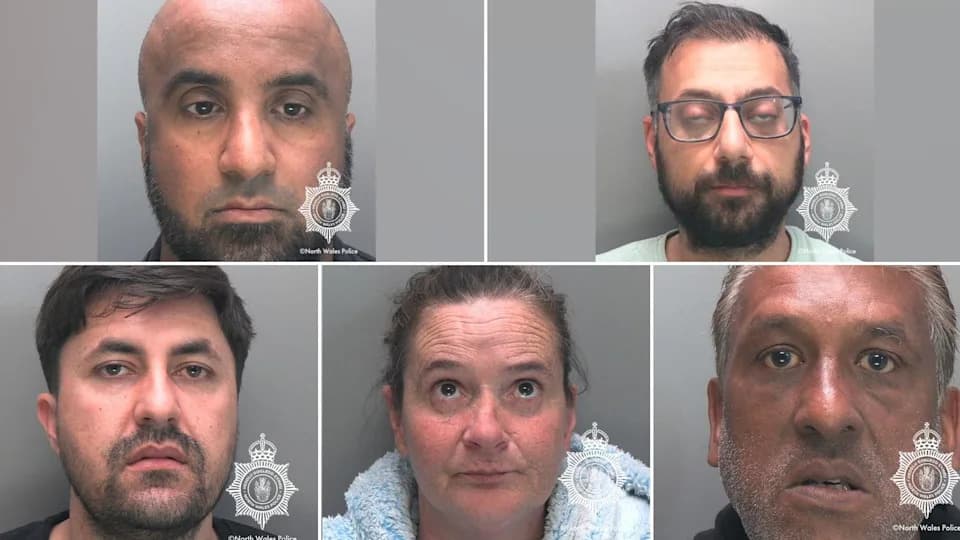
Angela Shellis, 45, was persuaded by her son to follow him to a nearby park where she was beaten to death [North Wales Police]
Warning: This article contains distressing details.
The murder of 45‑year‑old Angela Shellis and the subsequent police investigation are reconstructed in a Channel 4 documentary that charts how officers pieced together evidence to convict her son, 18‑year‑old Tristan Roberts.
Discovery And Crime Scene
Angela was found dead in the Coed y Morfa nature reserve in Prestatyn, Flintshire, on 25 October 2025. Officers followed a trail of blood more than 100 metres along a gravel path before discovering her body hidden in undergrowth. A crutch, a blood‑soaked balaclava and gloves were recovered near the scene; Angela had been using a crutch after injuring her knee.
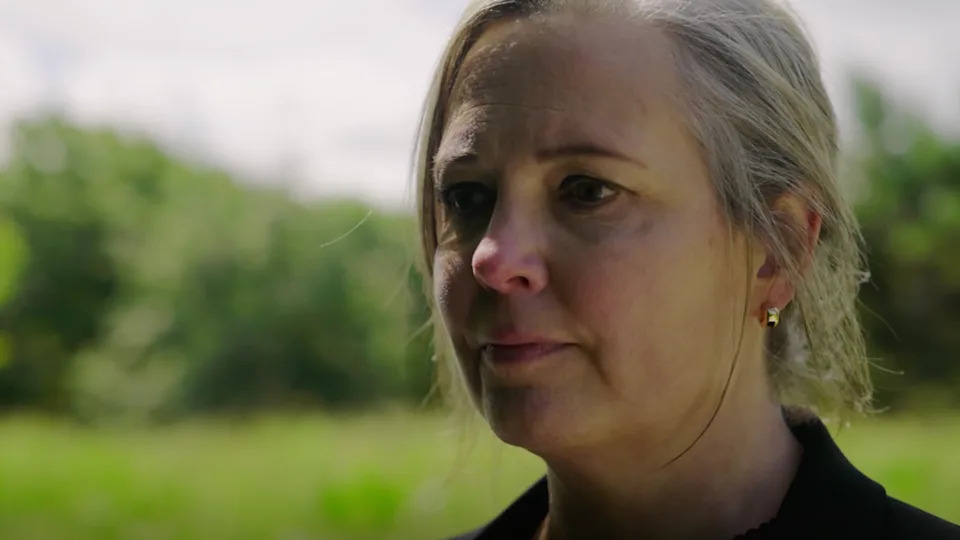
DC Claire Owen said Angela's injuries were "the stuff of nightmares" [Channel 4]
“The body had been dumped as if it was a piece of rubbish. It was like something out of a horror film,” Detective Constable Claire Owen of North Wales Police told the programme.
Digital Evidence And Dictaphone Confession
Digital forensics played a central role. Investigators recovered Dictaphone recordings in which Roberts declared his intention: “This is Tristan Roberts. Tonight I’m going to murder my mother with a sledgehammer.” A longer recording documented an initial violent assault in Angela’s bedroom, where she was reportedly held for nearly four hours while Roberts threatened her and ignored her pleas for help.
Police also analysed Roberts’ laptop and phone. He had posted misogynistic and violent messages online—primarily on Discord—using multiple aliases after being removed from the platform several times. The documentary highlights a fixation on fictional killers such as Dexter and Patrick Bateman from American Psycho.
Arrest, Items Seized And Court Case
After Roberts was arrested, officers found a large knife in the bathtub and other items throughout the property. Seized evidence included a mini sledgehammer, an axe, knives, a balaclava, and what the police described as items suggestive of forensic awareness (gloves, masks, cleaning products). Online purchases matched several items seized at the house.
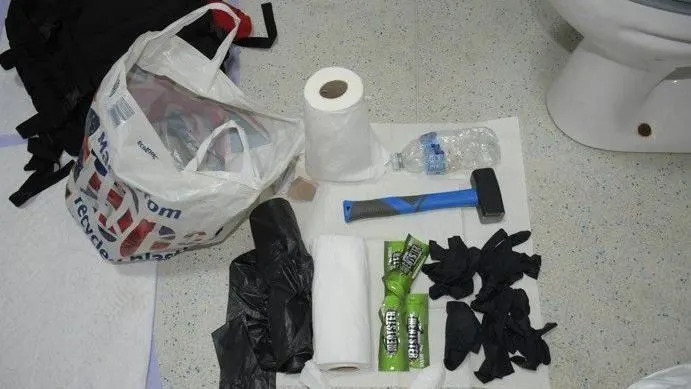
A carrier bag found at Angela Shellis and Tristan Roberts' home containing a blood-stained water bottle and a mini sledgehammer [North Wales Police]
Roberts pleaded guilty to murder in February. In March, at Mold Crown Court, he was sentenced to life imprisonment with a minimum term of 22½ years.
How The Attack Unfolded
According to the court record and documentary, Angela was initially assaulted and held in her bedroom. At around 03:00 she was persuaded to leave the house under the pretense of receiving medical help at a nearby pub; instead she was taken to the nature reserve, forced to wear a balaclava and then killed.
Impact On Family
The documentary also examines the toll on Angela’s relatives. Her sister, Sarah Gunther, and younger son were present in court as victim impact statements were read. Detective Superintendent Andy Gibson said Angela had repeatedly put her son’s welfare first, trying to help him even as his behaviour worsened.
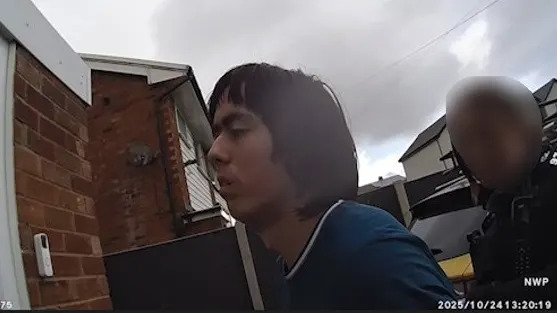
Tristan Roberts was arrested on suspicion of his mother's murder, hours after the body of Angela Shellis was found [North Wales Police]
Investigation And Policing
The programme — which uses CCTV, doorbell camera footage, body‑worn video and 999 call recordings — highlights coordinated forensic work and digital analysis that connected the physical evidence at the scene to Roberts’ online activity and recorded statements.
Detective Constable Phil Williams, who led the digital examination, described how the materials seized from Roberts’ devices corroborated planning and intent. The prosecution relied on that chain of evidence and the recorded admissions when seeking conviction and sentence.
Note: This account is based on material presented in the Channel 4 documentary and court records. It preserves the documentary's direct quotes and factual reporting while clarifying chronology and evidence for readers.
Help us improve.