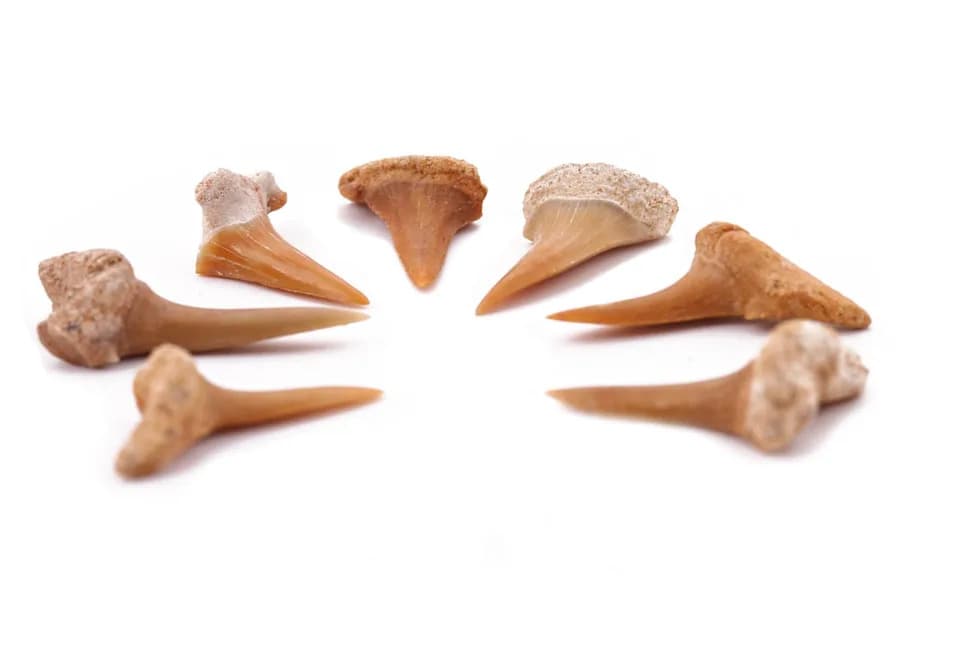
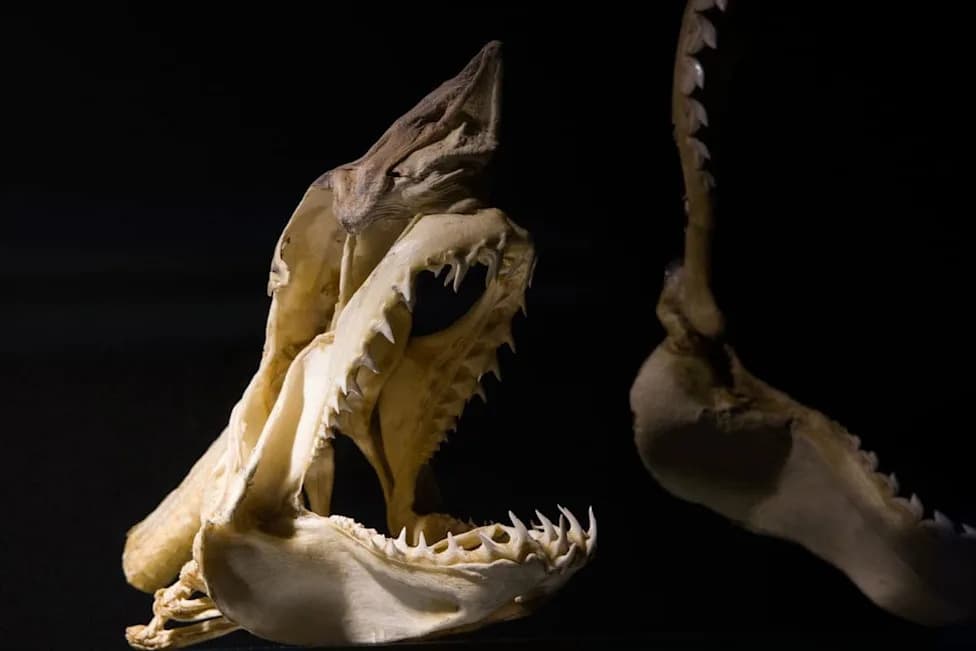
A Cairo University-led team discovered a fossil-rich deposit of shark teeth beneath the Abu-Tartur Plateau in Egypt's Western Desert, part of the ~66-million-year-old Duwi Formation. They recovered 14 additional teeth attributed to five extinct species, three of which are newly recorded for Egypt. The variety of tooth shapes suggests a nutrient-rich tropical sea with a diverse food web. Further excavation is planned to refine the site's paleoenvironmental story.
66-Million-Year-Old Shark 'Graveyard' Unearthed Beneath Egyptian Desert, Revealing New Species Records
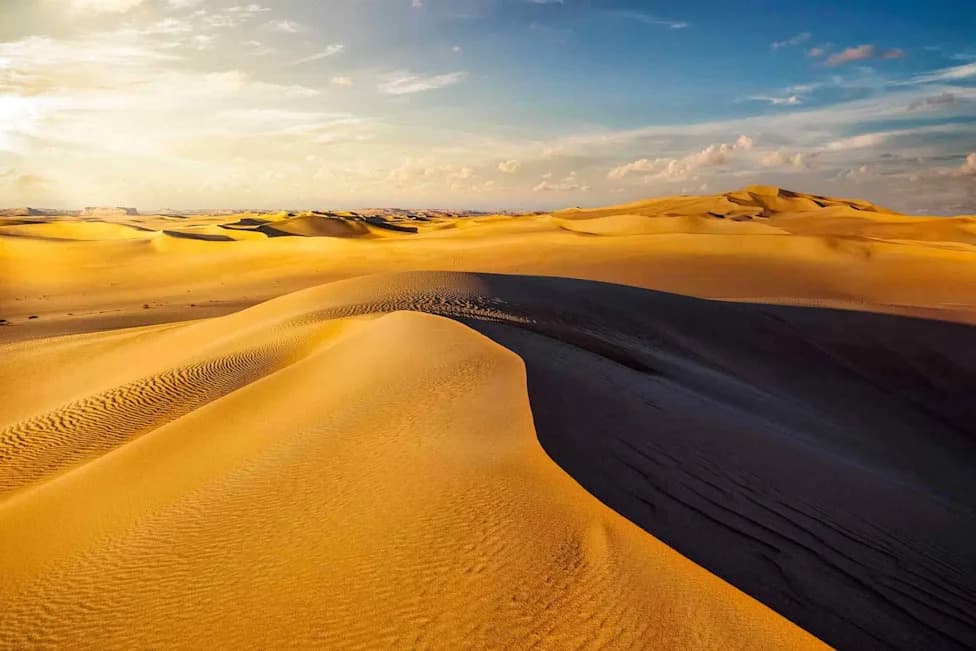
Egypt's Western Desert (stock photo)Credit: Getty
Researchers have uncovered a remarkable deposit of fossil shark teeth beneath Egypt’s Abu-Tartur Plateau in the southern Western Desert — a site they describe as a prehistoric shark “graveyard.” The fossils come from the Duwi Formation, a phosphate-rich rock unit laid down about 66 million years ago during the late Cretaceous.
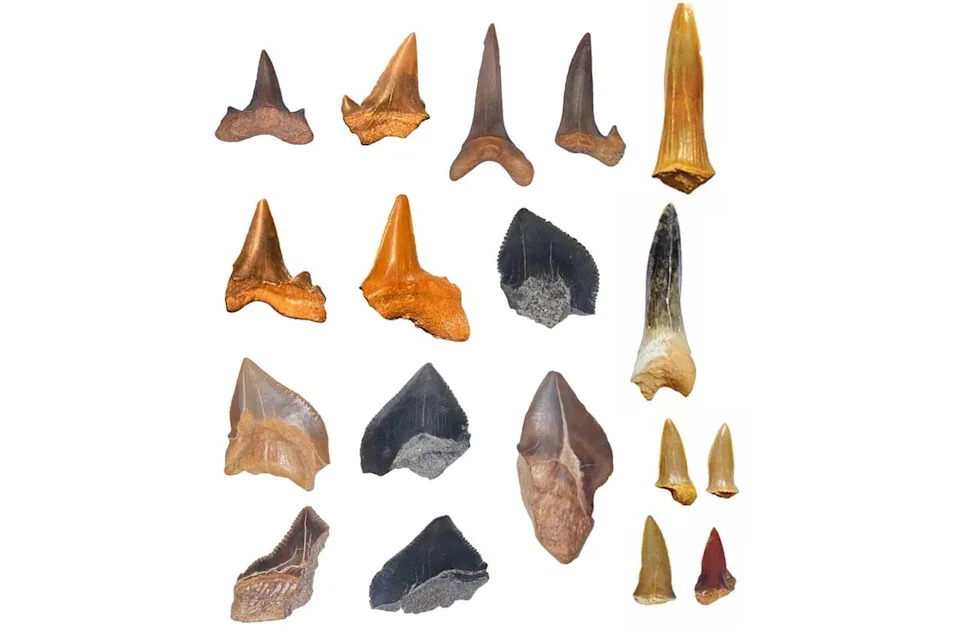
The shark teeth found in the "graveyard"Credit: Paleontologist Tarek Yassin
What the Team Found
Fieldwork at phosphate-bearing outcrops produced teeth attributable to at least seven shark species. Building on an earlier report of two species from the same bed, a team led by Cairo University paleontologist Tarek Yassin returned to the site and recovered 14 additional teeth. After comparison with global fossil records, the researchers assigned the new specimens to five extinct taxa: Cretalamna cf. maroccana, Scapanorhynchus cf. raphiodon, Serratolamna cf. serrata, Squalicorax bassanii, and Squalicorax pristodontus.
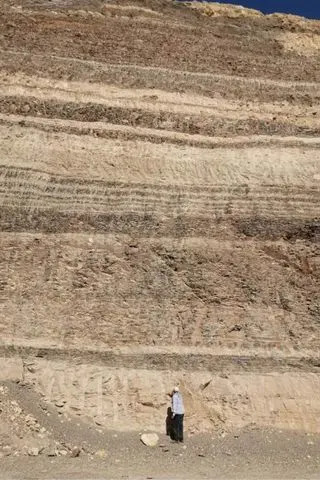
The outcrops where the fossils were foundCredit: Paleontologist Tarek Yassin
Significance
None of those five species had been recorded previously at Abu-Tartur. Notably, three — Cretalamna cf. maroccana, Serratolamna cf. serrata, and Squalicorax bassanii — represent the first documented occurrences anywhere in Egypt. The Scapanorhynchus cf. raphiodon material may be the first confirmed record of that goblin-shark relative for Egypt and possibly for Africa as well, extending the known geographic range of the genus.
What the Teeth Reveal About the Ancient Sea
The teeth show wide morphological diversity: some are long and needle-like (adapted to grasping small, slippery prey), others are broad and serrated (suitable for cutting), and several are strongly curved. This mix of tooth forms indicates multiple feeding strategies and implies the late Cretaceous sea that covered the region was nutrient-rich and supported a complex food web, from small fishes and invertebrates to large predatory sharks.
"This study provides evidence that the area now occupied by the plateau was once a sea with flourished marine life, with environmental conditions suitable for its development and prosperity, including favourable temperatures, sunlight, and appropriate oxygen levels," Yassin told Live Science.
The team notes that the fossils accumulated in a phosphate bed over an extended interval, so the assemblage is time-averaged and does not represent a single instantaneous event. Systematic excavation, mapping, and further sampling of the outcrops are planned to refine the paleoenvironmental picture and to recover additional material that could clarify species diversity and distribution just before the end-Cretaceous mass extinction.
Help us improve.