Sir Ranulph Fiennes, the celebrated explorer and former Army officer, is reported to have been moved between care homes and denied contact with family and friends while lacking capacity. His wife, Louise Millington-Cotes, holds power of attorney and is acting as his legal guardian. Ben Fogle and others have expressed alarm, while Cheshire Police say partner agencies have found no immediate safeguarding concerns. The episode raises broader questions about oversight of guardianship and protection for vulnerable older people.
Isolation of Sir Ranulph Fiennes Prompts Wider Concerns Over Guardianship Safeguards
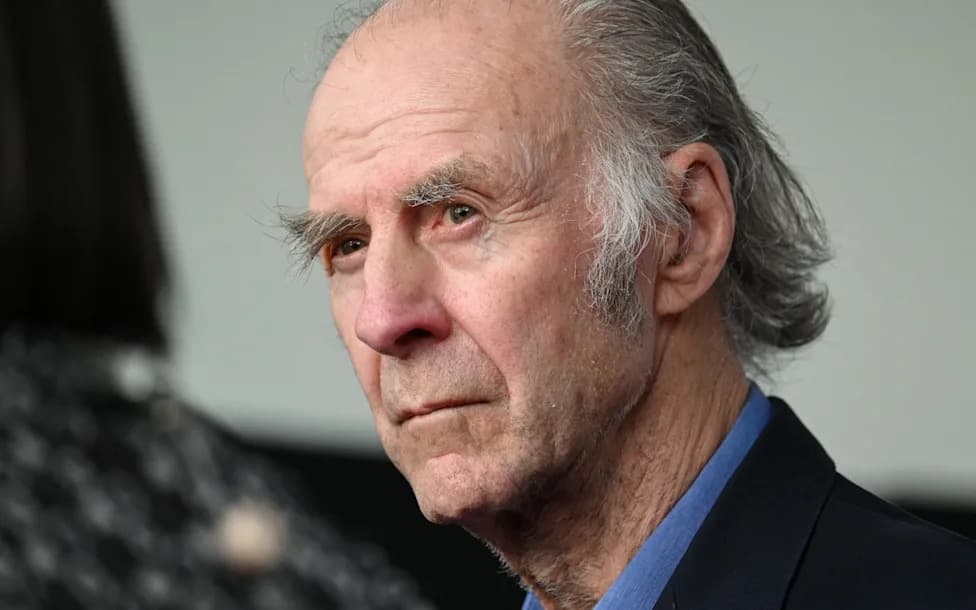
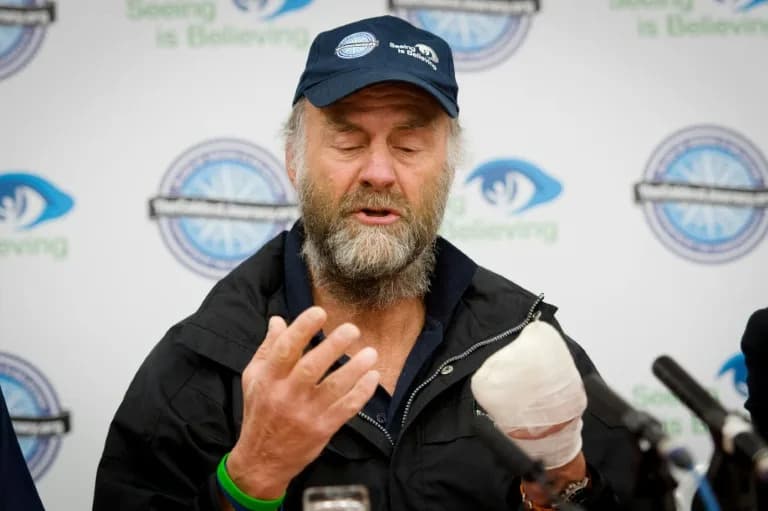
A care watchdog refused nine times to investigate the plight of Sir Ranulph Fiennes - Gareth Cattermole/Getty Images
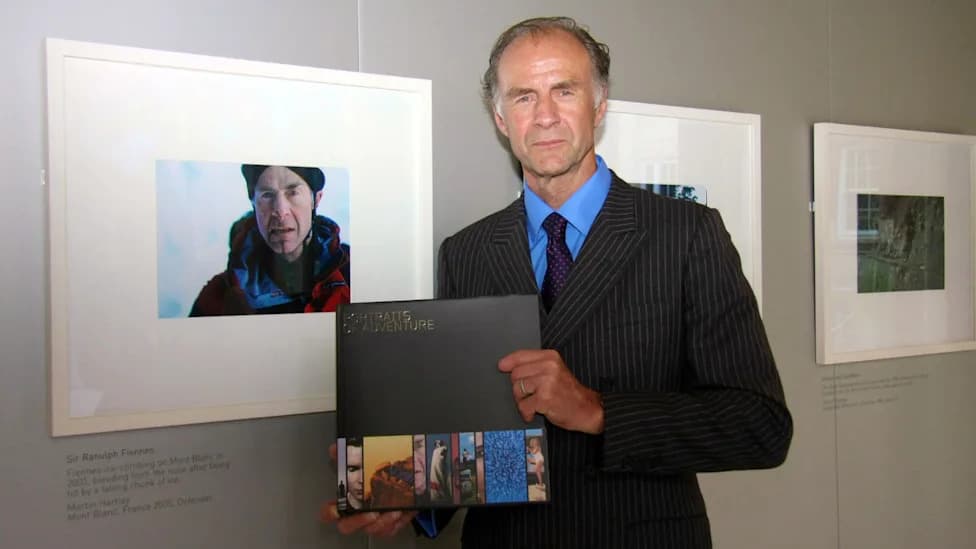
Sir Ranulph Twisleton-Wykeham-Fiennes, 3rd Baronet — the famed explorer and former Army officer — has become the focus of public concern after reports that he is being kept from family and friends while in care.
According to multiple accounts, Sir Ranulph, who is said to be in poor health and to lack mental capacity, has been moved between care homes by his wife and legal guardian, Louise Millington-Cotes, who holds power of attorney. Friends and relatives—including former military colleagues and members of his extended family such as actors Ralph and Joseph Fiennes—have reportedly been denied visits and information about his whereabouts. An approach by the King’s equerry to check on his welfare was also said to have been rebuffed.
For many observers the case raises urgent questions about how guardianship powers are exercised and what safeguards exist to prevent their abuse. It is possible Mrs Millington-Cotes believes she is acting in Sir Ranulph’s best interests and that, under her legal authority, she can control access. But the situation underscores the need for clear checks and oversight where decisions restrict contact with loved ones.
Ben Fogle, the broadcaster and adventurer, said: "That such a great man, a hero of mine and a national treasure, should be treated in this way — isolated and kept away from family and friends — is very troubling."
Cheshire Police has issued a statement reassuring the public that they and partner agencies are aware of the concerns raised. The force said:
"Police and partner agencies are aware of the concerns raised and are satisfied that Sir Ranulph Fiennes is living in an appropriate setting with suitable care and professional oversight. No immediate safeguarding concerns have been identified at this time."
While that response offers some comfort, it does not erase broader anxieties about how vulnerable older people can become isolated when family disputes or disputes over control of their care arise. The case of Sir Ranulph — a high-profile figure with many who wish to see him — highlights system weaknesses that could leave less public people without advocates.
Greater transparency and robust review mechanisms for guardianship decisions would help restore public confidence and protect the rights and dignity of those who cannot speak for themselves. Authorities and lawmakers should consider whether current safeguards sufficiently balance a guardian’s authority with access and accountability.
Help us improve.