The National Ballet School in Havana continues to train about 178 students each day despite widespread nightly power outages, fuel shortages and shortages of food and water. Students such as 14-year-old Roxana Pérez de La Mora commute long distances to pursue professional dance training, while faculty like Dani Hernández balance performance, teaching and the practical strains of daily life. The Cuban National Ballet, founded by Alicia and Fernando Alonso, remains internationally respected and locally affordable, but educators fear the country's prolonged crises could affect future generations of artists.
Cuba’s Ballet Endures: Students Train Through Blackouts, Shortages and Long Commutes
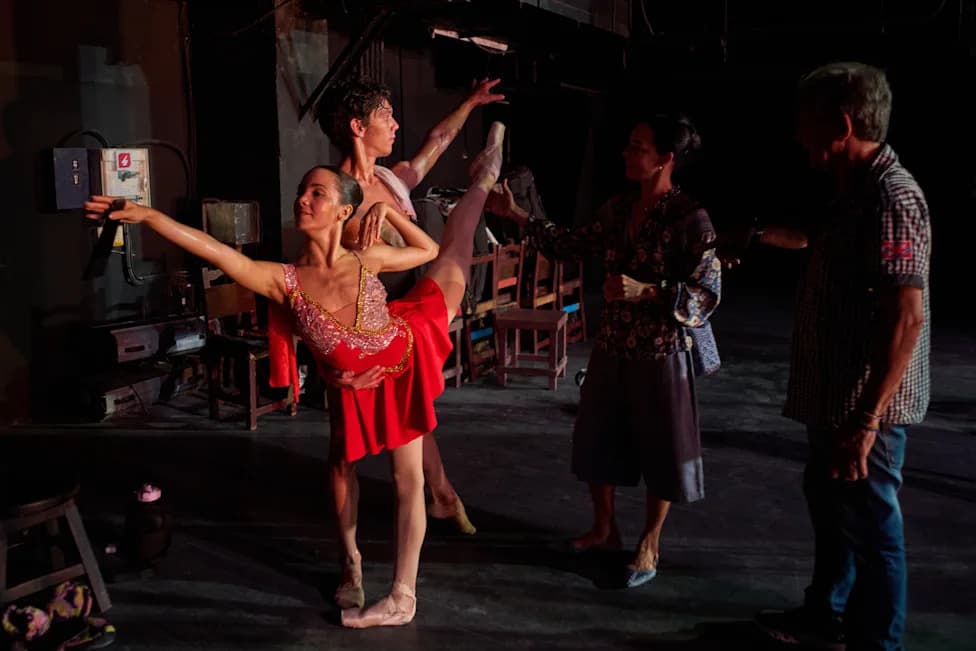
Dancers from the National Ballet of Cuba practice under the direction of National Ballet Director Viengsay Valdes, center, in Havana, Cuba, Friday, Aug. 21, 2026. (AP Photo/Ramon Espinosa)(AP Photo/Ramon Espinosa)
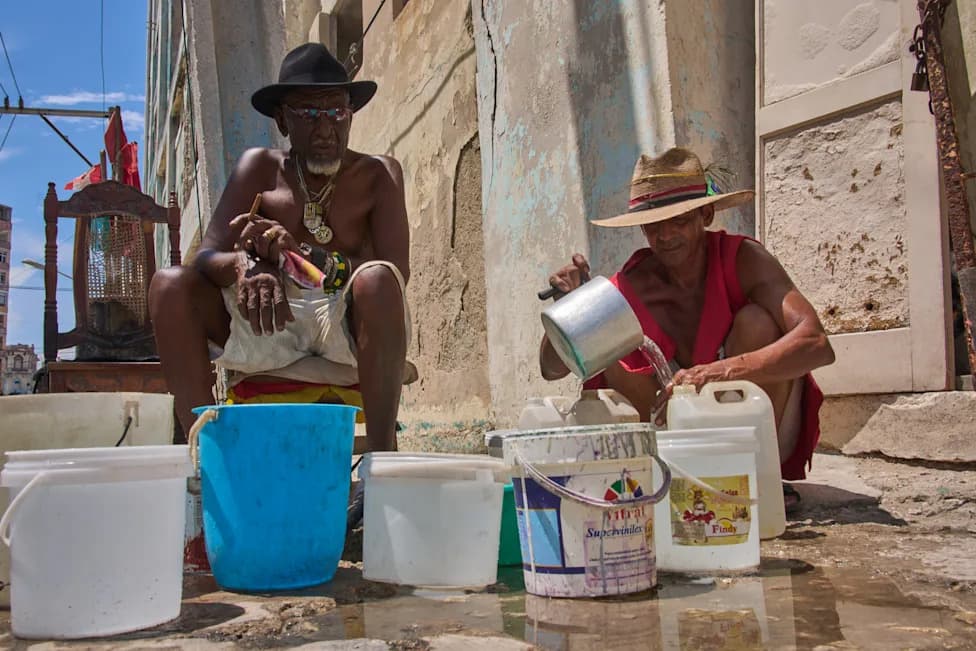
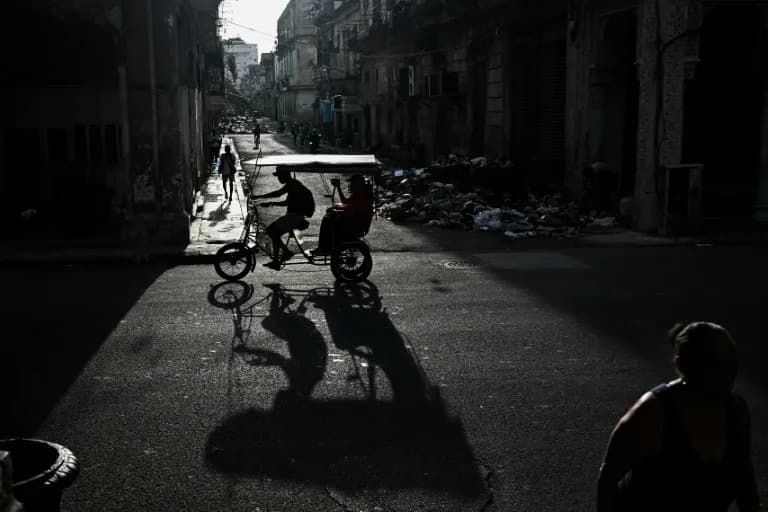
HAVANA — For months, roughly two-thirds of Cuba has endured nightly power outages. In parts of Havana, some neighborhoods have been without running water for more than two weeks, public transportation is limited, and staples such as eggs, bread and cooking oil are increasingly difficult to find.
Daily Discipline Despite Hardship
Despite those hardships, about 178 students still arrive each morning at the National Ballet School in Havana. Housed in an imposing Art Nouveau building in Old Havana, the school combines intense daily dance training with classroom instruction in math, Spanish, history and science.
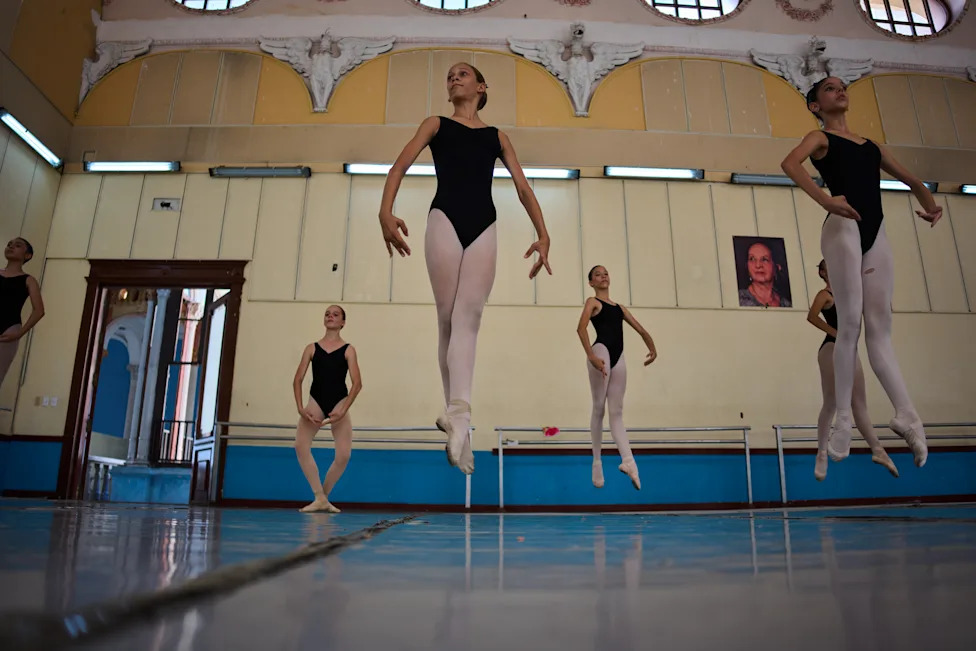
Ballet student Roxana Perez de la Mora, center, attends National Ballet School in Havana, Cuba, Wednesday, Sept. 16, 2026. (AP Photo/Ramon Espinosa)(AP Photo/Ramon Espinosa)
Becoming a world-class classical dancer requires discipline and sacrifice anywhere. In present-day Cuba, where rolling blackouts and shortages of fuel, water and food complicate everyday life, that discipline reaches well beyond the studio.
Fourteen-year-old Roxana Pérez de La Mora travels roughly 20 kilometers (12 miles) each day to attend classes. “Sometimes I tell my mom I don't feel like going, but missing it could cause problems for me later in training,” she said. “I've always said that my dream is to be a prima ballerina.”
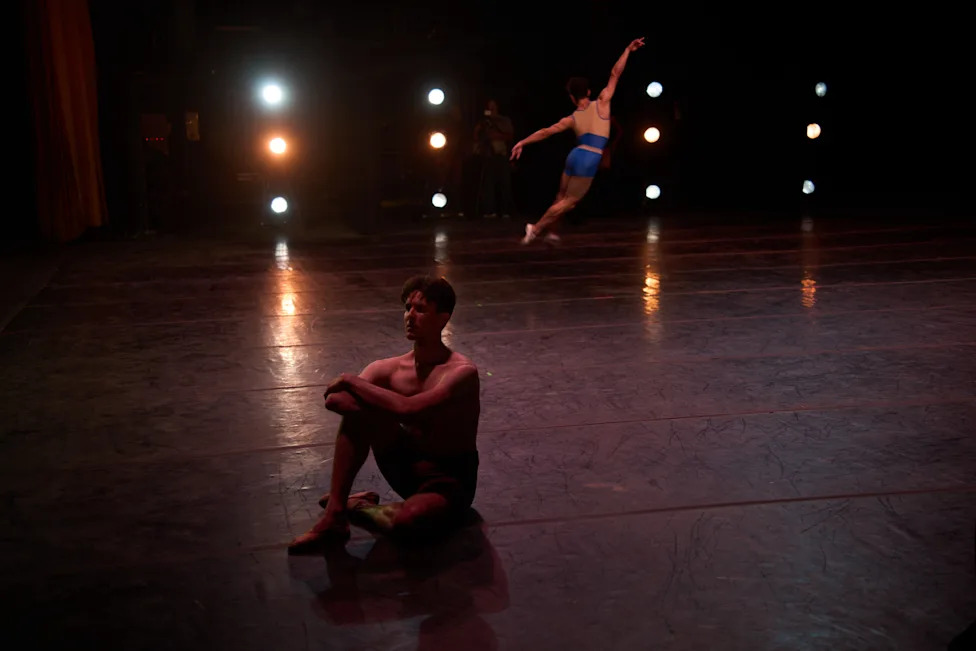
Dani Hernandez, principal dancer of the National Ballet of Cuba and director of the National Ballet School, sits on stage during rehearsal in Havana, Cuba, Friday, Aug. 21, 2026. (AP Photo/Ramon Espinosa)(AP Photo/Ramon Espinosa)
A National Treasure
Classical ballet is deeply cherished in Cuba and remains nearly as popular as baseball. Over decades, the island has cultivated dancers and choreographers of international stature, and a knowledgeable local audience follows their careers closely.
The Cuban National Ballet, founded in the 1940s by the celebrated ballerina Alicia Alonso and her husband Fernando Alonso, is regarded as one of the world’s leading companies. Local ticket prices are extraordinarily low — often under $1 — while similar shows abroad can cost up to $300.
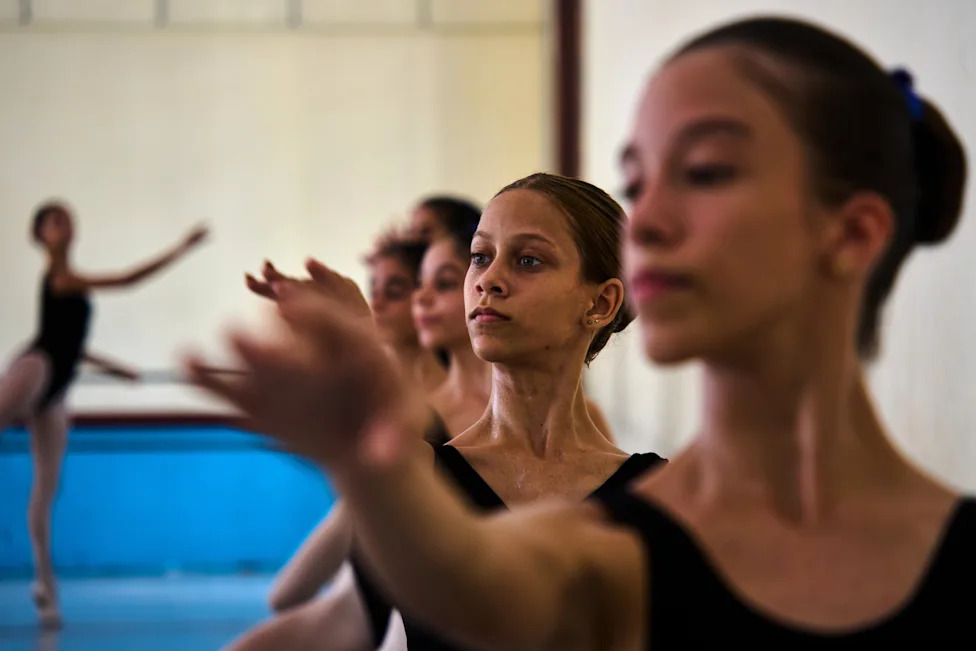
Ballet student Roxana Perez de la Mora attends class at the National Ballet School in Havana, Cuba, Wednesday, Sept. 16, 2026. (AP Photo/Ramon Espinosa)(AP Photo/Ramon Espinosa)
For its season-closing gala in August, the company staged "Canto Vital," a work by choreographer Azari Plisetski set to music by Gustav Mahler. The gala starred Dani Hernández, a principal dancer who also directs the National Ballet School where Roxana trains.
Teachers, Students and the Strain of Shortages
Dani Hernández balances a performing career with teaching and commutes on an electric motorcycle from his Havana apartment to classes — a risky trip for someone whose career depends on avoiding injury. During recent prolonged blackouts, heat and mosquitoes even forced him to sleep on his building’s terrace.
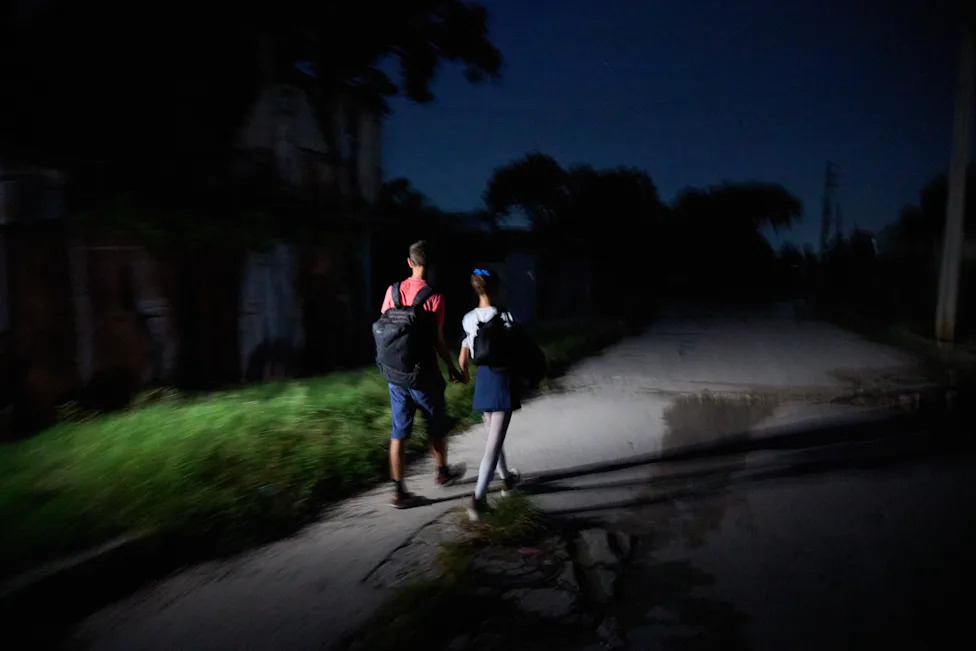
Ballet student Roxana Perez de la Mora, right, walks with her brother Rodrigo during a blackout on their way to the National Ballet School in Havana, Cuba, before sunrise, Wednesday, Sept. 16, 2026. (AP Photo/Ramon Espinosa)(AP Photo/Ramon Espinosa)
“Whether I have electricity or not, I have to be in the studio,” Hernández said. “But I keep thinking: Will the food in my refrigerator spoil?”
Hernández and others worry that Cuba’s mounting crises could harm an entire generation of artists. “The entire situation we're experiencing today could affect a generation of students training in ballet, dance, music, the visual arts,” he told The Associated Press. “And it's been the same for all other fields: engineering, medicine, education, everything else.”
Endurance and Pride
Still, classical ballet endures as a source of national pride and continues to meet internationally recognized standards. The art form’s broad appeal across Cuban society is clear: after a performance, conversations about the ballet spring up everywhere, reflecting its deep cultural presence.
Follow AP's coverage of Latin America and the Caribbean at https://apnews.com/hub/latin-america.
Help us improve.