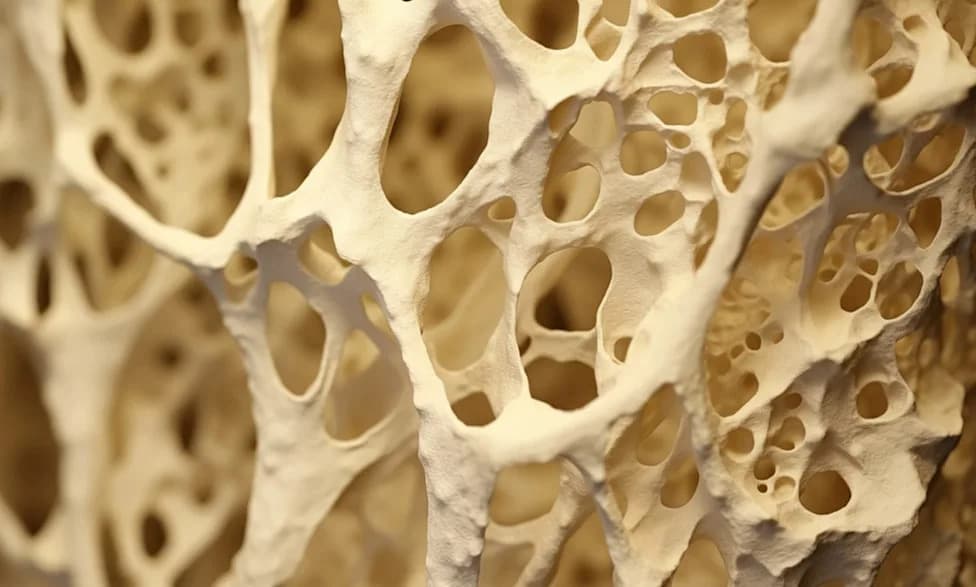
Researchers are testing injectable hydrogels — often combined with cell-based therapies — as a minimally invasive way to regenerate worn intervertebral discs and relieve chronic back and neck pain. A 2025 study of more than 183,000 U.S. adults found nearly half had a clinical diagnosis of lower back pain, underlining the scope of the problem. While hydrogel injections can be delivered by needle under local anesthesia and may avoid open surgery, they remain experimental and subject to clinical trials and regulatory review. Potential risks include persistent pain and issues such as material migration.
New Hope for Back Pain: Injectable Hydrogels Could Repair Spinal Discs Without Open Surgery

Kieferpix/Getty Images
Back pain is one of the most common and debilitating health problems worldwide. A large 2025 study of more than 183,000 U.S. adults found that 49.7% had a clinical diagnosis of lower back pain, and for many sufferers the cause is degeneration of the intervertebral discs — the soft, cushioning pads between the vertebrae. As these discs lose water and structural tissue they become less able to absorb stress, increasing the risk of chronic pain.
What Are Injectable Hydrogels?
Injectable hydrogels are soft, water-rich polymer materials that can be delivered into a damaged disc through a needle. Recent research highlights the potential of combining hydrogels with cell-based therapies to create a scaffold and supportive environment for new tissue growth, with the goal of regenerating the disc rather than simply replacing it.
How The Procedure Works
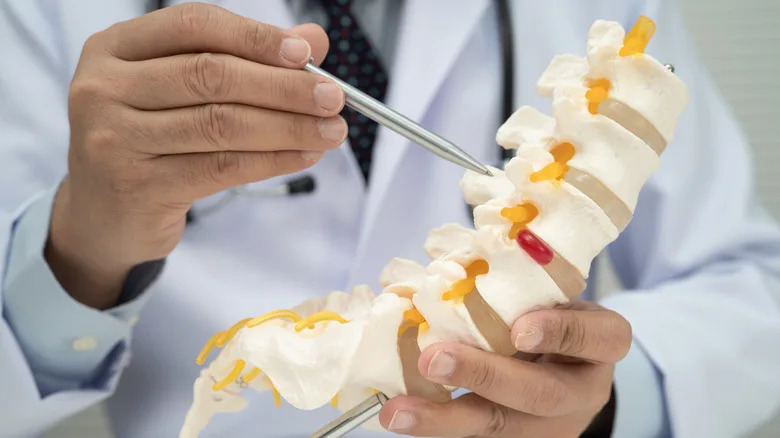
The procedure is minimally invasive: under local anesthesia, a clinician advances a needle into the affected disc and injects the hydrogel, sometimes together with regenerative cells or biologic factors. Because it avoids the incision and tissue disruption of open surgery, an injectable approach could shorten recovery time and reduce surgical risks for eligible patients.
sasirin pamai/Shutterstock
Benefits And Limitations
- Potential Benefits: Restores internal disc structure, provides a nurturing scaffold for repair, and may reduce the need for invasive disc-removal surgery.
- Current Limitations: Treatments remain experimental — multiple hydrogel formulations and cell-therapy combinations are under study, and there is no single, widely accepted success rate yet.
Safety And Regulatory Status
Because the spine is highly sensitive, the injection carries possible risks. Reported and studied complications include persistent back or leg pain and mechanical issues with the implanted material, such as migration or extrusion of the hydrogel. Regulatory approval by agencies such as the U.S. Food and Drug Administration (FDA) will depend on the results of clinical trials; availability will vary by study and device.
How This Compares With Traditional Surgery
Conventional artificial disc replacement is an established option for some patients, but it requires open surgery to remove the damaged disc and implant a prosthetic device. Injectable hydrogels aim to offer a less invasive alternative that preserves native tissue while promoting regeneration — though more evidence is needed before they become routine clinical practice.
Outlook
Injectable hydrogels combined with regenerative approaches are a promising direction for treating disc-driven back and neck pain. Continued clinical research and careful safety monitoring will be essential to determine which patients benefit most and to confirm long-term outcomes. For people living with chronic spinal pain, these advances offer a hopeful step toward safer, less disruptive treatments.
Help us improve.