Geovany Andres Rojas, alias "Arana," was extradited from Colombia to the United States to face narco‑terrorism and international cocaine trafficking charges. A San Diego grand jury returned a two‑count superseding indictment in March 2025; the narco‑terrorism count carries a 20‑year mandatory minimum and both counts allow for life sentences. U.S. officials allege Rojas led Comandos de la Frontera, profited from coca cultivation and used violence to control territory. The case grew from a Homeland Security Task Force probe and follows Colombian court approvals and a temporary suspension of the transfer during peace talks.
Colombian Rebel 'Arana' Extradited to U.S. on Narco‑Terrorism and Cocaine Charges
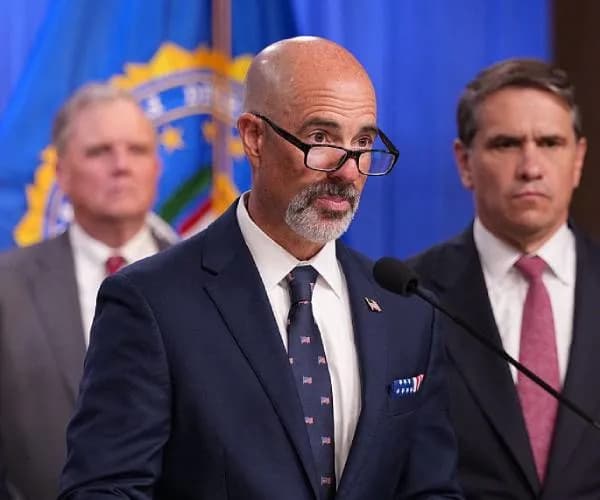
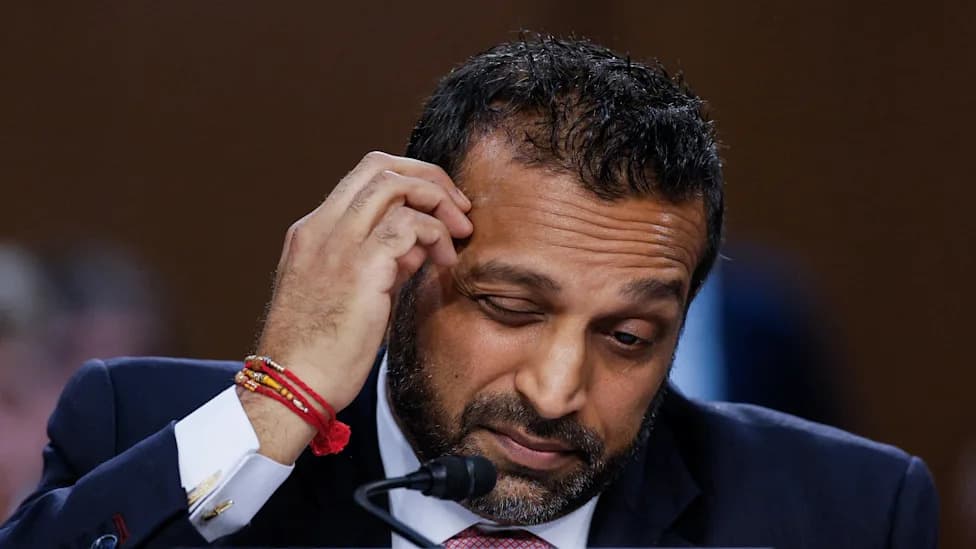
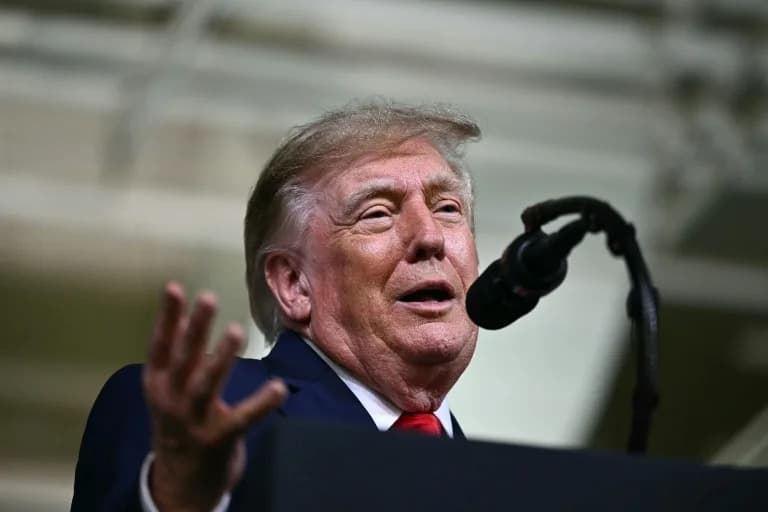
Drug Enforcement Administration Administrator Terry Cole (Getty)
Geovany Andres Rojas, known by the alias "Arana" ("Spider"), was extradited from Colombia to the United States to face charges of narco‑terrorism and international cocaine trafficking, U.S. federal prosecutors said.
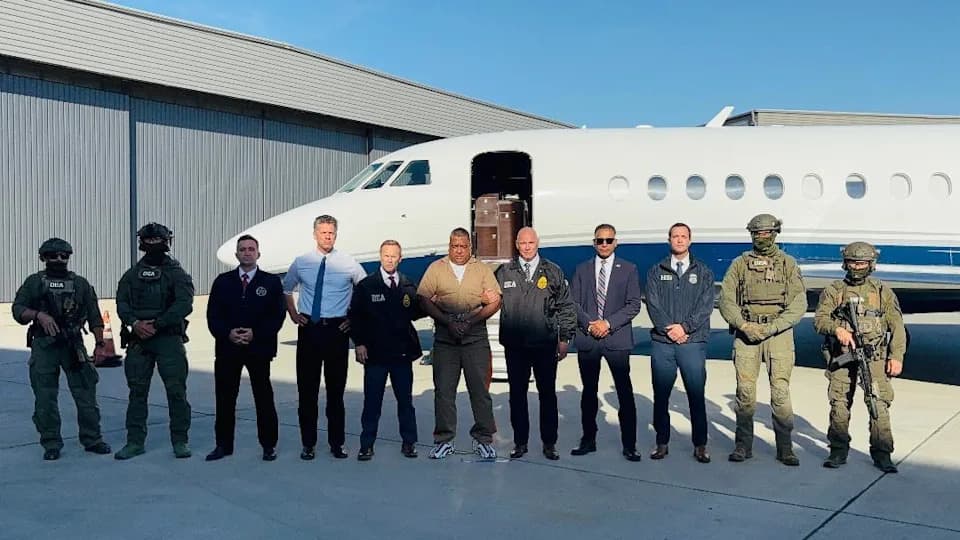
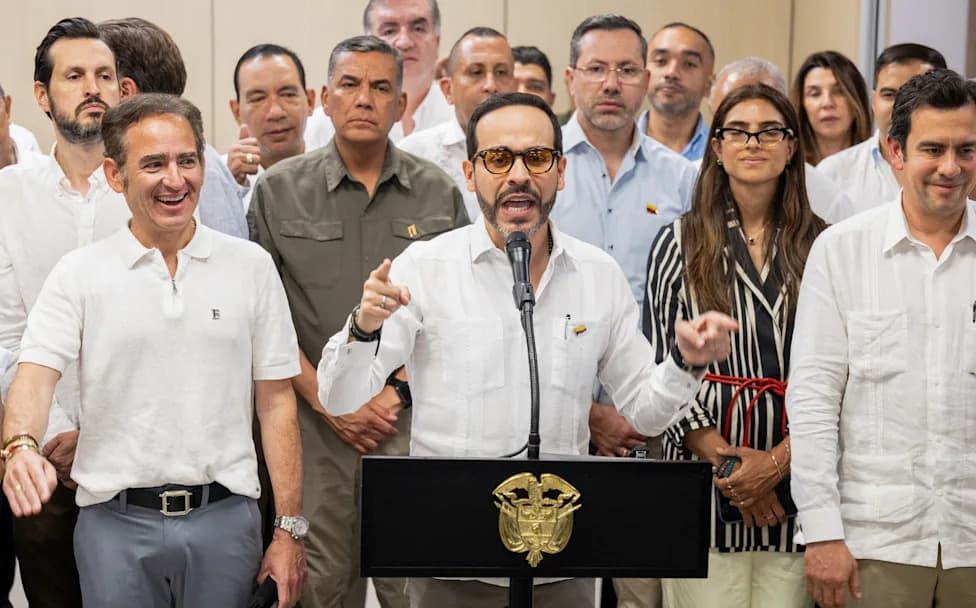
The U.S. Attorney's Office said Rojas was handed over to U.S. officials Friday morning at a Colombian National Police air base in Bogotá in a transfer attended by Colombian President Abelardo de la Espriella. Agents from the Drug Enforcement Administration and the FBI escorted the 45‑year‑old to San Diego later that day.
Charges, Indictment and Potential Sentences
A federal grand jury in San Diego returned a two‑count superseding indictment in March 2025 charging Rojas with international conspiracy to distribute cocaine and a narco‑terrorism offense. Prosecutors say the narco‑terrorism count carries a mandatory minimum sentence of 20 years, while the conspiracy count carries a mandatory minimum of 10 years; both counts carry a potential maximum of life imprisonment.
Alleged Role and Group Activity
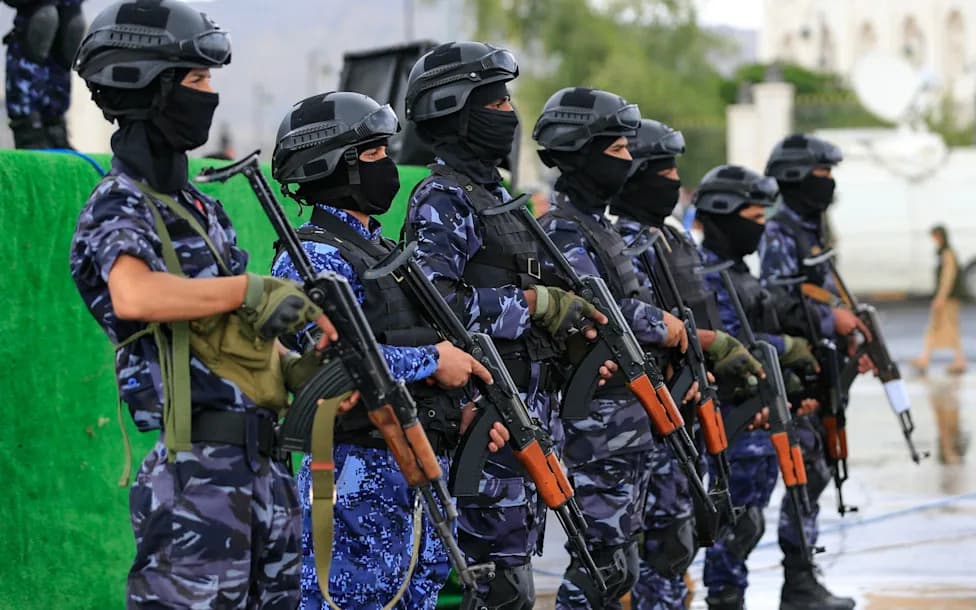
According to prosecutors, Rojas led Comandos de la Frontera, an armed group of roughly 1,000 members operating in southwestern Colombia. Authorities allege the organization profited from coca cultivation and cocaine production in a major coca‑growing region and used weapons and violence to maintain territorial control.
Prosecutors say Rojas signed Colombia's 2016 peace agreement as a member of the Revolutionary Armed Forces of Colombia (FARC) but later returned to armed conflict. He has publicly described his forces as part of Segunda Marquetalia, a FARC splinter faction designated a Foreign Terrorist Organization by the U.S. State Department in 2021.
Arrest, Extradition Timeline and Investigation
Colombian authorities arrested Rojas in February 2025 following an Interpol red notice. The country's Supreme Court later approved his extradition, and after a period in which the transfer was suspended while Rojas participated in peace talks, President Abelardo de la Espriella ordered the extradition to proceed on Aug. 26. Court records did not immediately list an attorney for Rojas.
U.S. officials, including U.S. Attorney Adam Gordon and DEA Administrator Terry Cole, said investigators believe the group's cocaine shipments reached Mexican drug cartels operating in Tijuana and involved multi‑ton shipments bound for the United States. The case was developed by a Homeland Security Task Force created under a January 2025 executive order targeting cartels and transnational criminal organizations.
Quote: "Colombia and the Department of Justice are making a clean sweep of narcoterrorists," U.S. Attorney Adam Gordon said, describing the extradition as part of broader efforts to disrupt narcotics networks.
Help us improve.