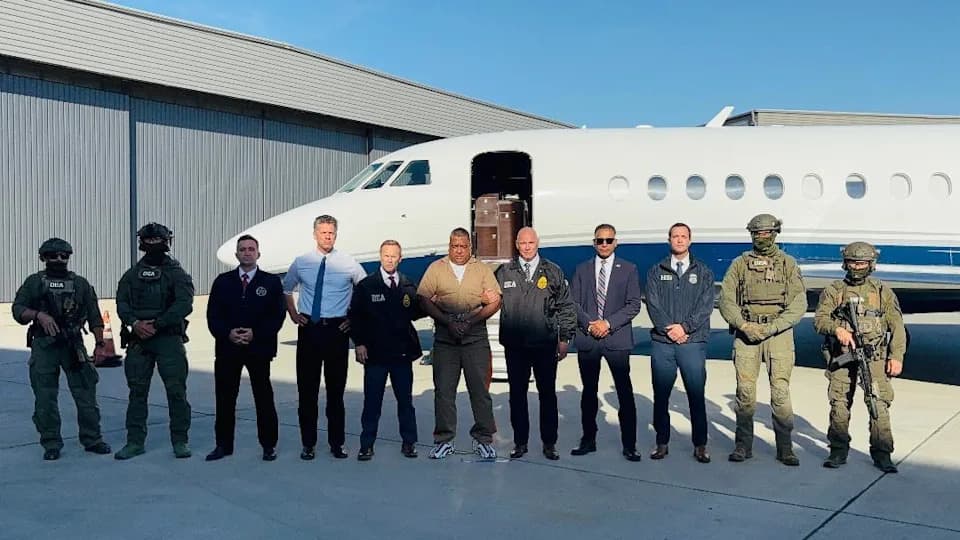
Colombia has extradited Geovany Andres Rojas — known as 'the Spider' — to the United States, intensifying Bogotá's security alignment with Washington. Rojas, accused of leading Comandos de la Frontera, was flown to California to face drug-trafficking and terrorism charges. The move marks a clear break from the previous administration's negotiation-focused strategy and has prompted warnings from rights groups about possible human-rights abuses amid renewed military operations.
Colombia Extradites Armed-Group Leader To US, Signaling a Pivot Toward Washington
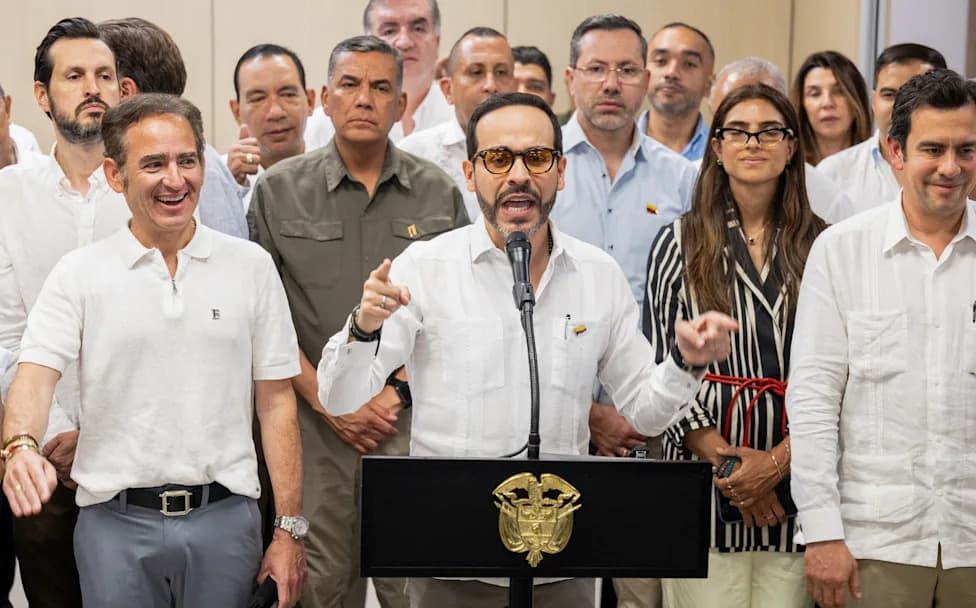
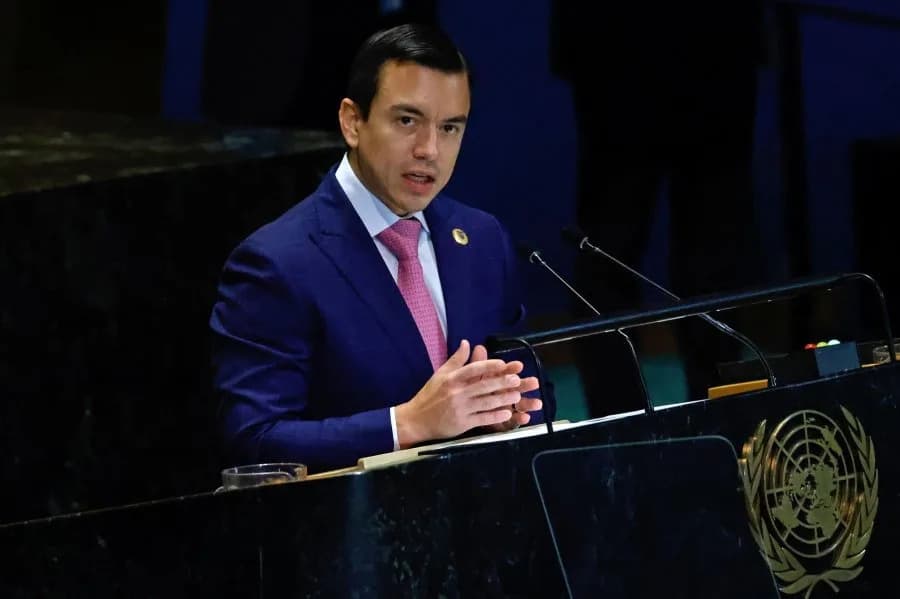
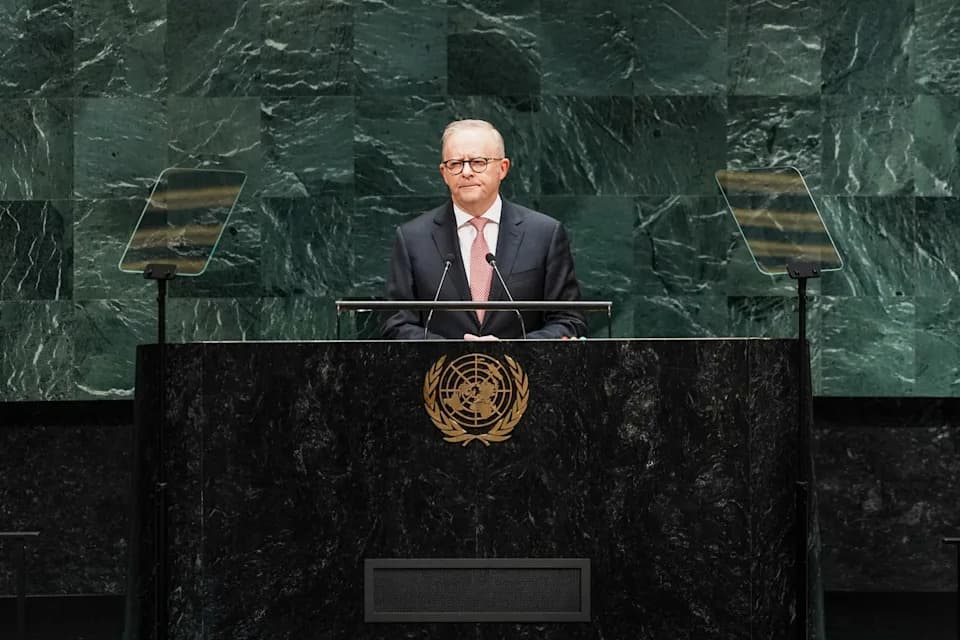
Colombia's President Abelardo de la Espriella speaks during a news conference after a security council meeting in Santa Marta, Colombia on September 25, 2026 [Marco Perdomo/AFP]
The Colombian government has extradited an alleged drug-trafficking leader to the United States, a move that underscores a broader shift in Bogotá’s security policy toward closer cooperation with Washington.
The Transfer
President Abelardo de la Espriella announced Friday that Geovany Andres Rojas has been flown to California and placed in the custody of U.S. federal agents. Authorities allege Rojas, known as 'the Spider,' led Comandos de la Frontera, an organisation reportedly formed by former members of the FARC and linked to cocaine trafficking in the Putumayo region on the border with Ecuador and Peru.
"You don't build peace by protecting narco-terrorists like this bandit," President de la Espriella said after personally supervising the transfer. He urged U.S. authorities not to allow deals that would let Rojas evade accountability.
Policy Shift and Political Context
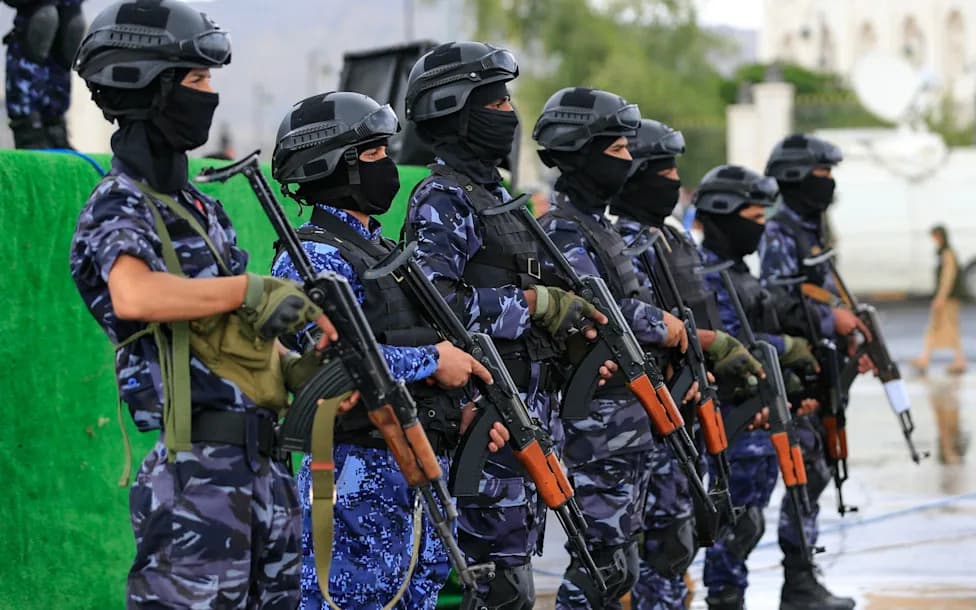
The extradition contrasts with the approach of de la Espriella's predecessor, Gustavo Petro, who had resisted extradition of certain figures in order to use them as mediators in negotiations with armed and criminal groups. The current administration has discarded negotiation-first tactics and pledged a tougher, more military-focused response to armed factions that split from the FARC after the 2016 peace accord. Many of those splinter groups compete for control of drug routes and other illicit economies.
Charges and International Cooperation
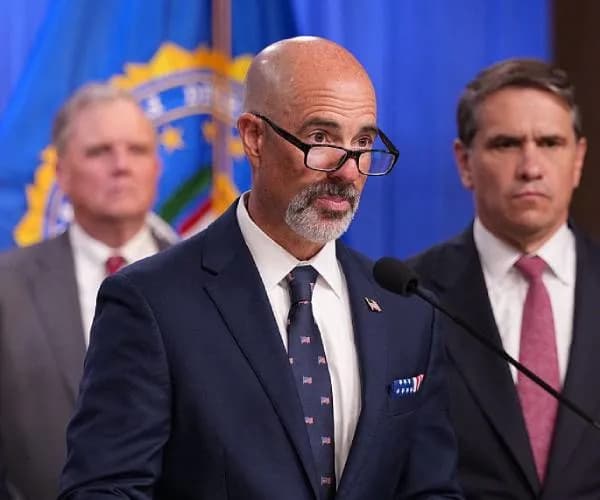
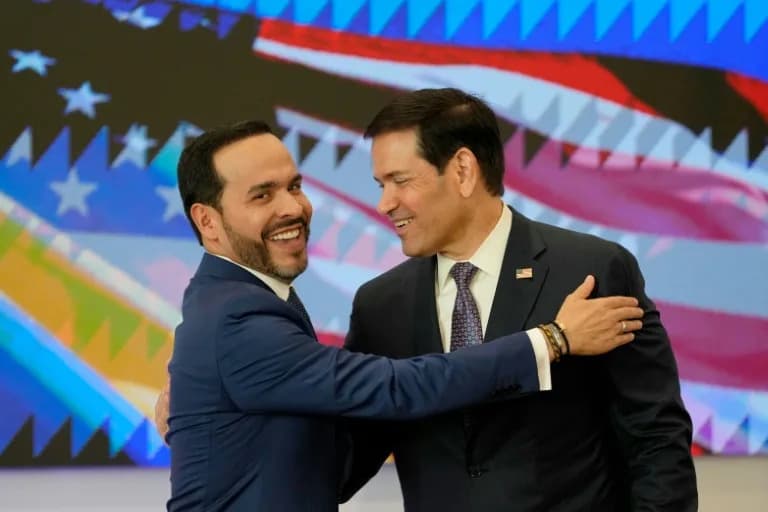
Rojas faces drug-trafficking and terrorism charges in U.S. courts. His transfer to federal custody in California reflects deepening security and law-enforcement cooperation between Colombia and the United States — a trend that has included expanded counter-narcotics and security operations across the region in recent years.
Concerns and Reactions
Human-rights organisations warn that a return to militarised confrontation risks abuses by security forces and could drive further violence and displacement. At the same time, many Colombians who have suffered from drug-related violence and forced displacement have voiced support for a firmer response to criminal groups.
Allegations About the President
The New York Times has reported that President de la Espriella, a former defence lawyer, was previously investigated by U.S. authorities over alleged ties to powerful traffickers but was not charged; he has also defended politicians linked to right-wing paramilitaries.
Implications: The extradition and the government’s tougher stance are likely to sharpen tensions between enforcement and negotiation approaches to Colombia’s armed groups, with significant implications for security, human rights, and regional cooperation.
Help us improve.