Geovany Andrés Rojas, aka "Araña" ("The Spider"), was extradited to California to face U.S. drug trafficking and terrorism charges after Colombia's new conservative government revoked protections that had kept him in peace talks. Rojas led Comandos de la Frontera, a group implicated in cocaine trafficking in Putumayo. The transfer marks a clear policy shift under President Abelardo de la Espriella, who has halted negotiations with armed groups and pledged closer cooperation with the United States on narcotics enforcement.
Colombian Rebel 'Araña' Extradited to U.S. in High-Profile Narcoterrorism Case
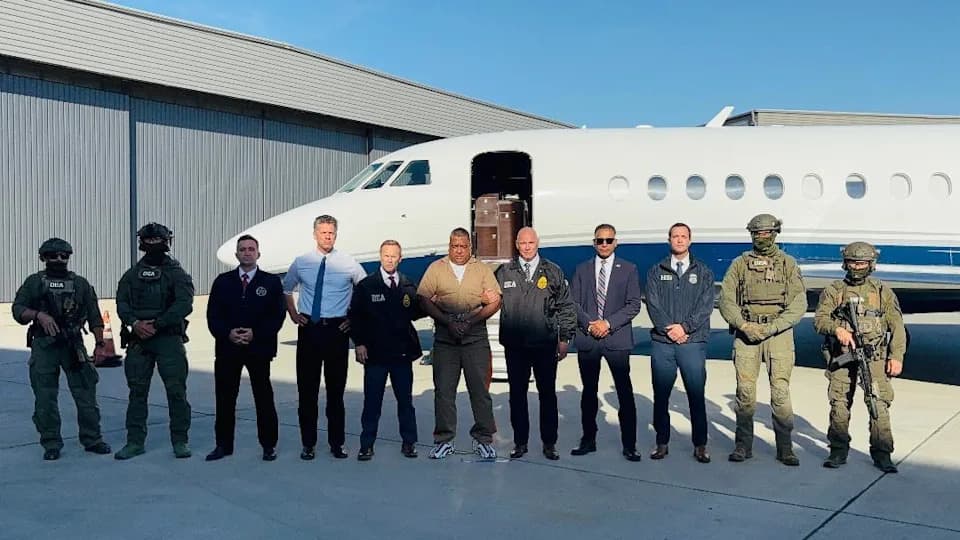
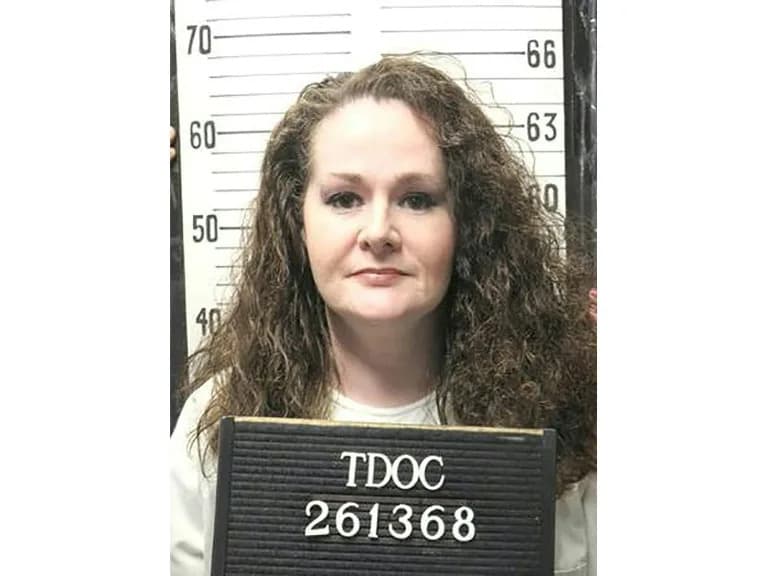
Geovany Andres Rojas (center) faces drug trafficking and terrorism charges in the United States. / Credit: Department of Justice
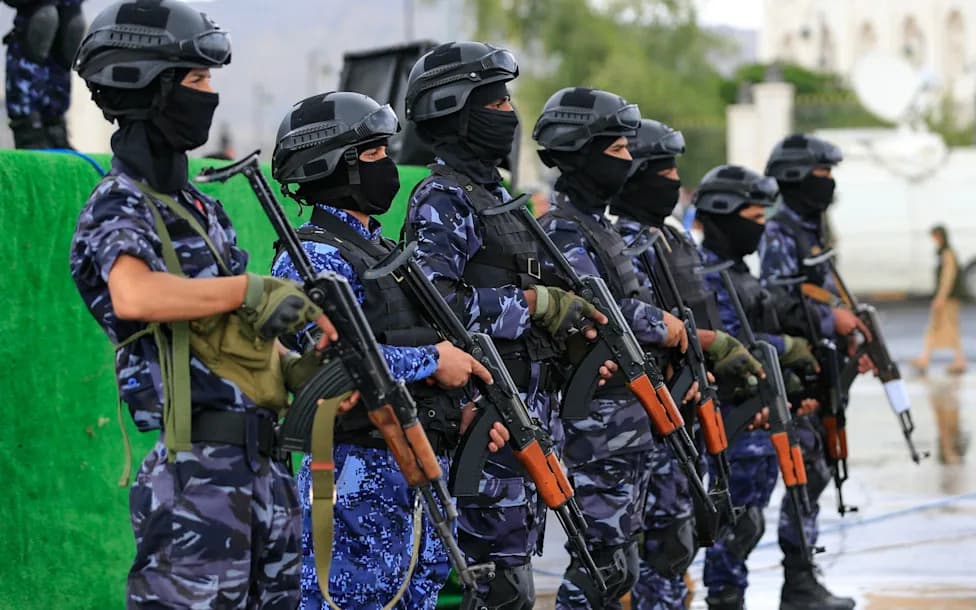
Geovany Andrés Rojas, known by the nom de guerre "Araña" ("The Spider"), was flown to California and handed over to U.S. federal authorities to face drug trafficking and terrorism charges. Rojas has long been a spokesman and leader of Comandos de la Frontera, a rebel group accused of trafficking cocaine through Putumayo province along Colombia's borders with Ecuador and Peru.
Shift in Bogotá's Approach
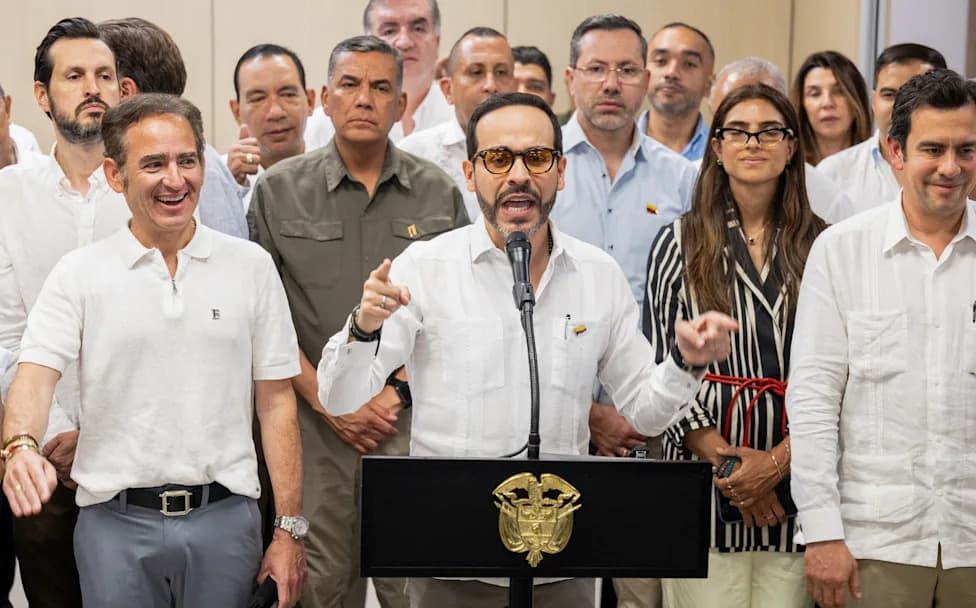
Rojas's extradition follows a change in Colombian policy. Former President Gustavo Petro had protected Rojas from extradition while designating him as a participant in peace negotiations. That protection was lifted by newly elected President Abelardo de la Espriella, who has taken a markedly tougher stance on crime and halted talks with several armed groups.
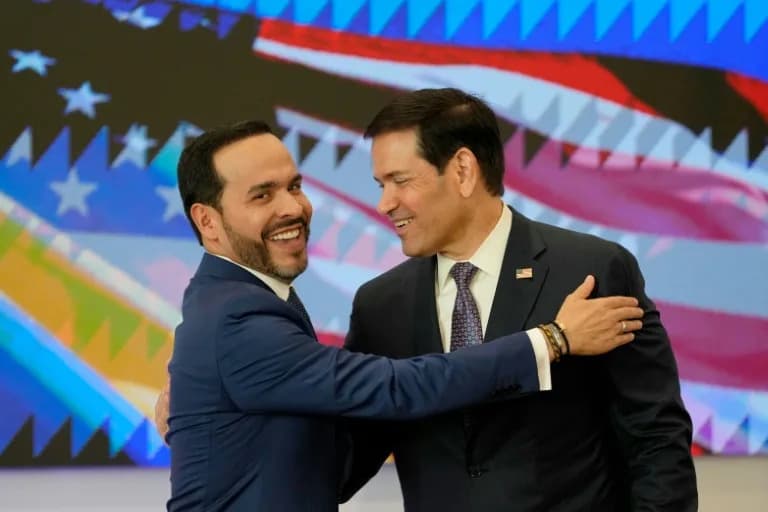
"You don't build peace by protecting narco-terrorists like this bandit," De la Espriella said after personally supervising Rojas's transfer. "I ask U.S. authorities … that he cannot negotiate deals that will leave his crimes unpunished."
Arrest, Approval and Transfer
Rojas was arrested in Bogotá in February 2025. Colombia's Supreme Court approved his extradition in October, but the transfer had been suspended under Petro's administration pending peace negotiations. After the new administration rescinded that protection, U.S. authorities received Rojas and the Department of Justice published a photo of him in custody.
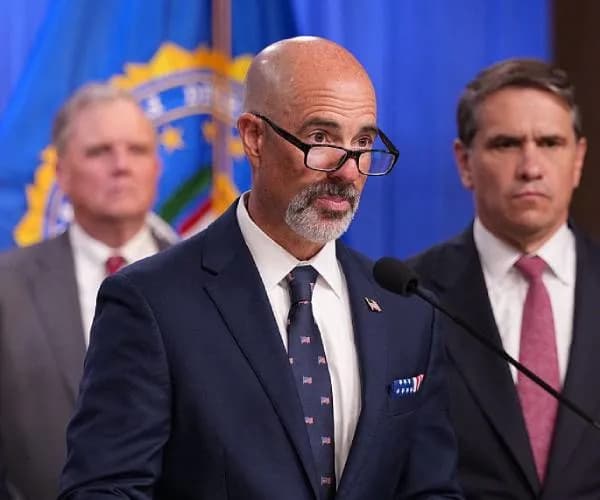
"Colombia and the Department of Justice are making a clean sweep of narcoterrorists, starting with Araña," U.S. Attorney Adam Gordon said in a statement accompanying the extradition.
Why This Matters
Colombia has struggled in recent years to reassert state control over rural areas abandoned after the 2016 peace accord with the Revolutionary Armed Forces of Colombia (FARC). More than 14,000 former fighters disarmed under that deal, but the agreement also created a vacuum exploited by dissident factions and criminal networks that battle over cocaine routes, illegal mining and extortion.
Comandos de la Frontera formed in 2017 and includes former FARC members who rejected the 2016 peace deal. The group previously allied with Segunda Marquetalia, founded in 2019 by former FARC commander Luciano Marín; that alliance collapsed two years ago, and Comandos de la Frontera has since operated independently and engaged in separate talks with Bogotá.
Rojas is expected to make his initial court appearance in the United States on Monday.
Help us improve.