The UC Berkeley Human Rights Center report argues the International Criminal Court has legal grounds to examine alleged abuses during Mexico's 2018–2024 administration under Andrés Manuel López Obrador. The study documents 337 killings — including 78 journalists and 259 human-rights defenders — and compiles 75 detailed case files. An AI review of 1,437 morning press conferences identified 2,827 disparaging statements, which the authors link to alleged unlawful surveillance including Pegasus. The report contends these elements could warrant a preliminary ICC examination under the Rome Statute.
Berkeley Report Urges ICC To Review Mexico Over Alleged Abuses Under López Obrador

A new report looks at increasingly hostile environment for journalists and human rights defenders during the leadership of Mexican President Andrés Manuel López Obrador, who left office in 2024. File Photo by Mario Guzman/EPA
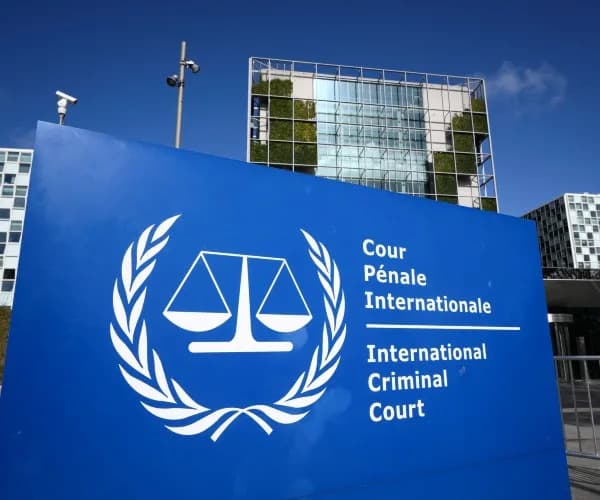
A new report from the Human Rights Center at the University of California, Berkeley, concludes there are legal grounds for the International Criminal Court (ICC) to consider investigating alleged abuses that occurred during the 2018–2024 administration of former Mexican president Andrés Manuel López Obrador.
Key Findings
The study, titled "Under Attack: Targeting of Journalists and Human Rights Defenders in Mexico," documents patterns of lethal violence, hostile official rhetoric and alleged unlawful surveillance that together may amount to a widespread or systematic attack under the Rome Statute.
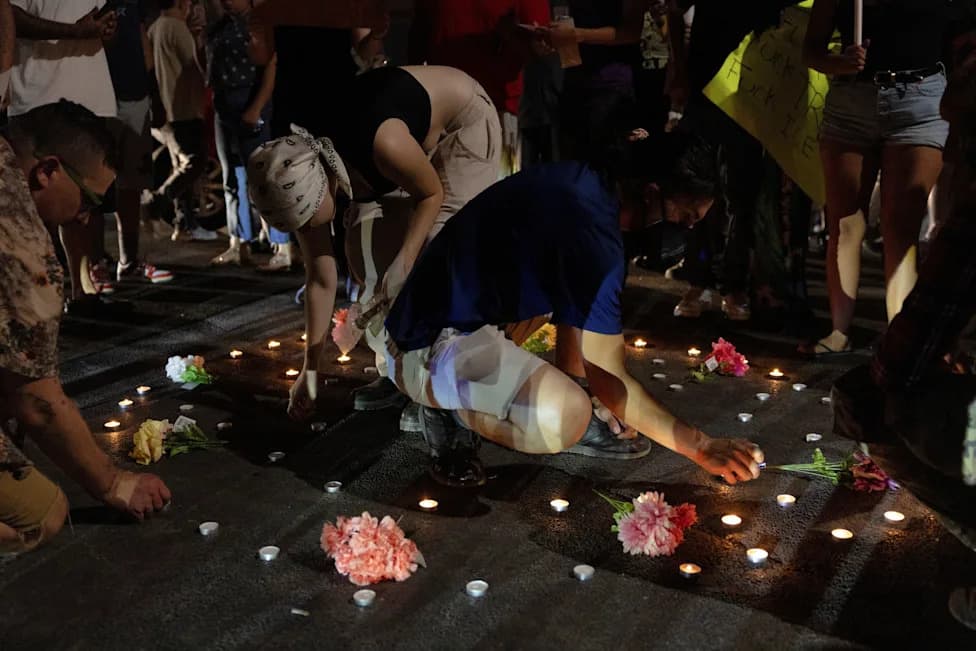
- Deaths documented: The Human Rights Center recorded 337 killings from 2018–2024, including 78 journalists and 259 human-rights defenders.
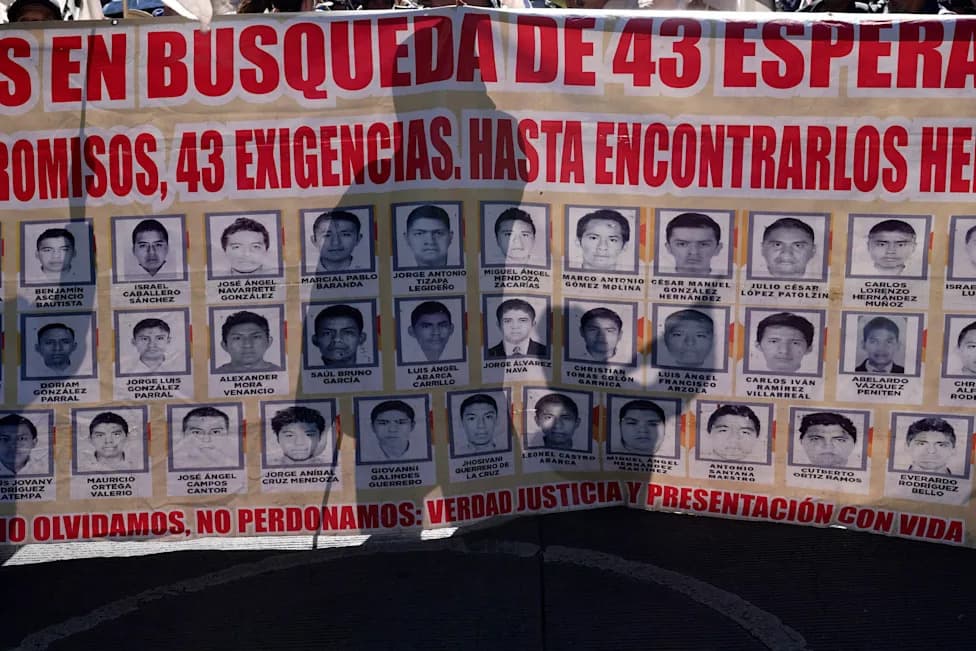
- Case files: Researchers compiled 75 detailed case files focused on killings and enforced disappearances tied to these populations.
- Rhetoric analysis: An AI-assisted review of 1,437 morning press conferences identified 2,827 instances of rhetoric the report describes as explicitly disparaging toward independent journalists and civil-society organizations.
- Surveillance allegations: The report links confrontational official rhetoric to alleged unlawful surveillance, citing use of tools such as Pegasus spyware reportedly operated by Mexico's Defense Ministry.
Legal Assessment
The report's legal team argues that unlawful surveillance, harassment, stigmatization and physical violence could be treated as elements of a unified pattern of persecution under Article 7 of the Rome Statute if evidence shows they were widespread or systematic and carried out pursuant to or in furtherance of state policy.
Lindsay Freeman, senior director for International Accountability at the Human Rights Center, said the compiled evidence could provide the ICC prosecutor's office with a basis to open a preliminary examination.
Originally prepared as a confidential submission to the court, the authors released the report publicly after assessing geopolitical constraints and the public interest in the findings.
Methodology
The study combines statistical counts, 75 in-depth case files, and a quantitative, AI-assisted content analysis of presidential morning briefings. The AI coding assessed tone, apparent target and repetition to identify patterns of disparaging rhetoric toward journalists and civil-society actors.
Note: The report does not itself pursue criminal charges; it presents evidence and legal analysis intended to inform potential ICC consideration.
Help us improve.