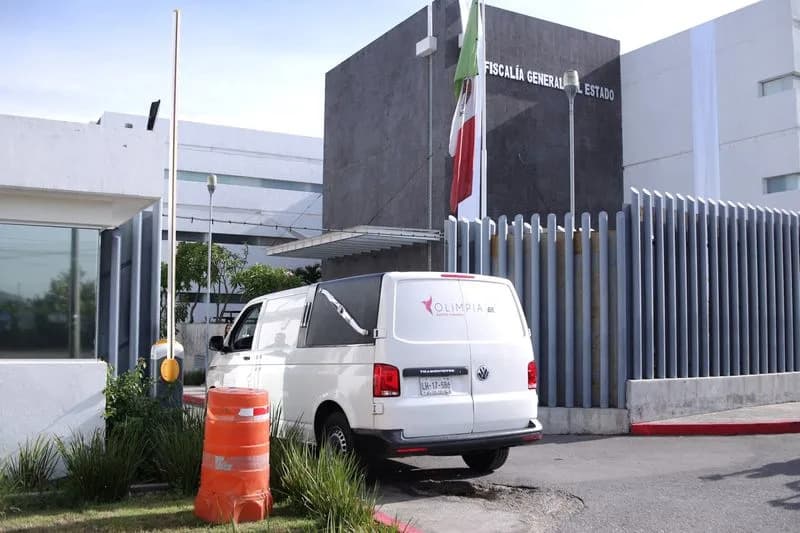
The killing of 21-year-old Spanish exchange student Claudia Tacoronte in Morelos has drawn international attention to Mexico’s deep crisis of violence against women. Authorities arrested a suspect and charged him with feminicide, seeking up to 70 years in prison, while a multi-agency operation followed. Experts and activists say the case’s high profile likely accelerated the response and underscore persistent problems: weak institutional protections, rampant impunity, and the need for gender-focused investigations and long-term reforms.
Spain Student's Killing Prompts Swift Mexican Response — But Critics Say Women’s Safety Still Lags
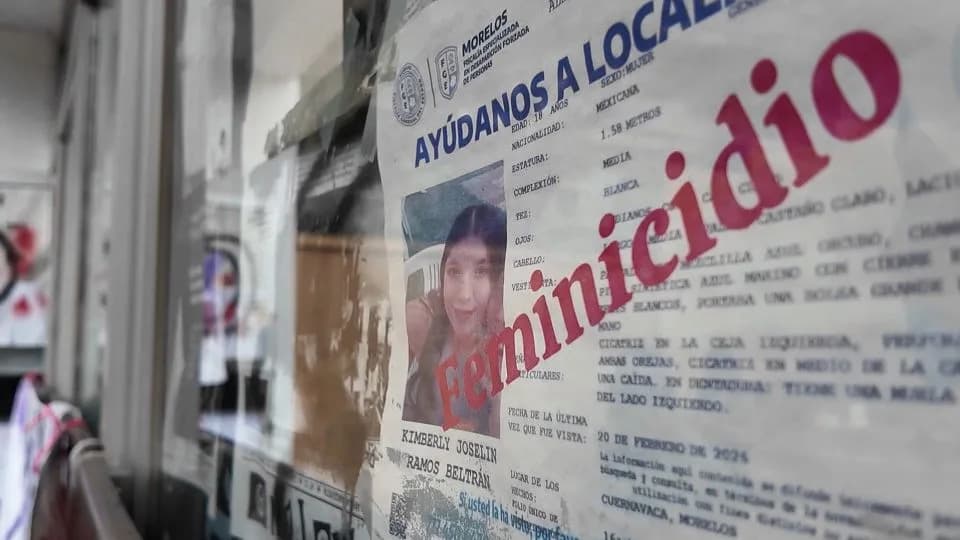
Clipped From Video
The fatal shooting of 21-year-old Spanish exchange student Claudia Tacoronte Aguilera in Cuernavaca, Morelos, has intensified scrutiny of Mexico’s persistent problem with violence against women and sparked an unusually rapid, high-profile government response.
Tacoronte was shot during an armed robbery near a cultural center on September 12, about a month after arriving to study at the Autonomous University of the State of Morelos (UAEM). Authorities announced the arrest of a suspect and charged him with feminicide — the Mexican legal term for the gender-motivated killing of a woman. State prosecutors said they will seek a maximum sentence of 70 years in prison.
Official Response and Public Outcry
The federal and state governments launched a multi-agency operation that included the defense ministry, navy, national guard, the ministry of public security and both state and federal prosecutors. Spanish officials publicly condemned the killing and pressed for a full investigation.
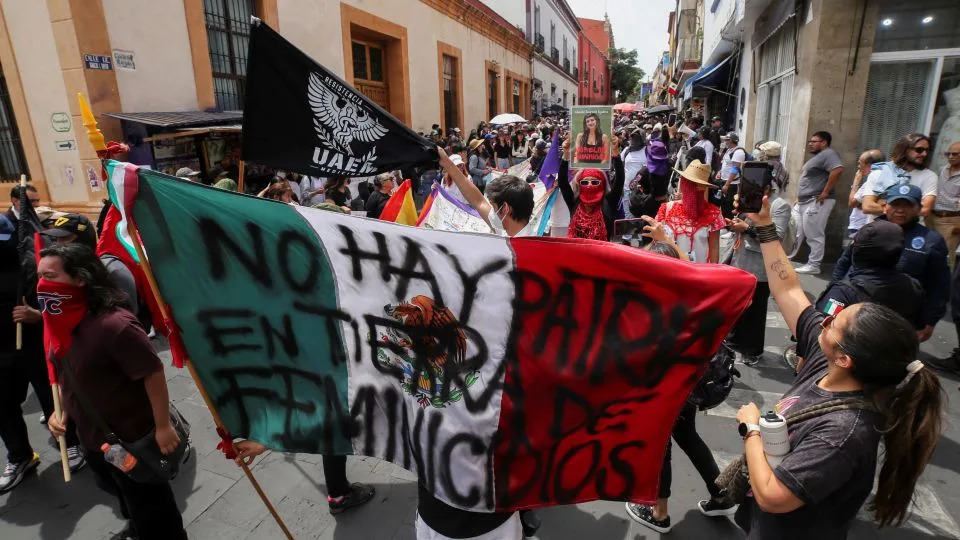
A student holds a Mexican flag bearing the words, "There is no homeland in a land of feminicides" during a march demanding justice for student Claudia Tacoronte, in Cuernavaca, Mexico, September 15. - Margarito Perez Retana/Reuters
"Feminicide is definitely one of the biggest problems in Mexico," said Paulina Garcia-Del Moral, an associate professor at the University of Guelph who researches law, gender and power.
The killing sparked nationwide protests demanding justice for Tacoronte and for the thousands of Mexican women who have died in gender-based violence. Activists say the rapid mobilization reflected the international attention the case attracted — and they question whether Mexican victims regularly receive the same urgency.
Scale Of The Problem
Official figures report more than 9,100 feminicide cases nationwide since 2016, including 382 recorded between January and July of this year; in that six-month span, Morelos had the second-highest rate at 1.97 feminicides per 100,000 women. International indexes likewise rank Mexico poorly for women’s security: the country placed 147th out of 181 in the 2025/26 Women, Peace and Security Index.
Experts and activists point to multiple drivers behind this violence: entrenched gender inequality, pervasive sexist stereotypes, and a high rate of impunity that allows offenders to escape justice.

Claudia Tacoronte Aguilera - From Claudia Tacoronte Aguilera/Instagram
Institutional Failures And Concerns
Rights activist Zayra Hernandez, a member of Young Women Against Institutional Violence, said women at UAEM and across Morelos feel unprotected. Hernandez has described personal experiences of assault while at the university and criticized UAEM for failing to prevent several student deaths this year.
Spain’s University of Granada suspended student placements to Morelos following Tacoronte’s death and offered other exchange students the option to return home. Critics say the move underscores how international attention can shape institutional decisions and protections.
Legal Nuances And Challenges
In Mexico the terms "feminicide" and "femicide" are often used interchangeably in English, but experts emphasize that "feminicide" in the Mexican context calls attention to the structural and systemic conditions that enable gender-based killings. Designating a case as feminicide triggers protocols intended to ensure investigations use a gender perspective.
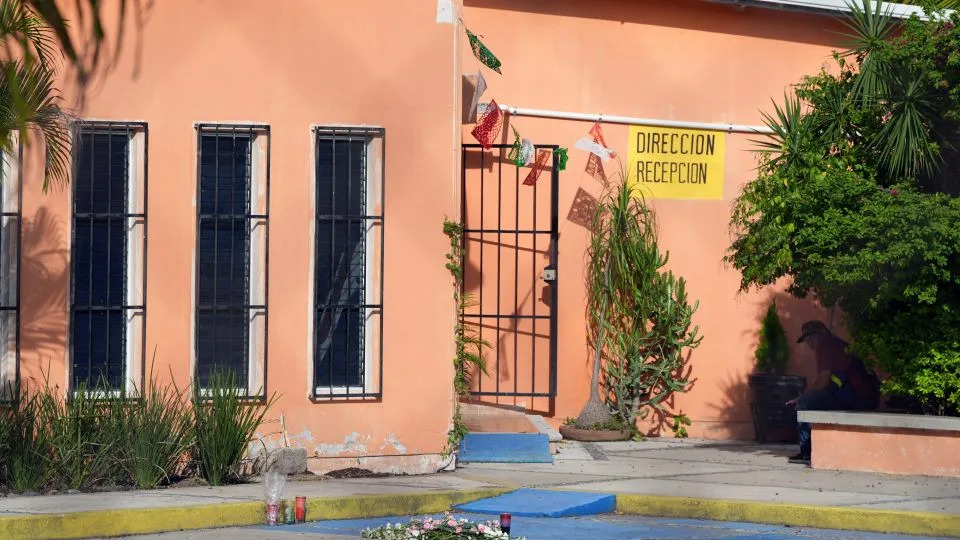
A tribute to Claudia Tacoronte Aguilera, a Spanish student who was murdered in Morelos state, Mexico, on September 14. - Miguel Banuelos/AFP/Getty Images
However, legal experts warn that feminicide charges can be downgraded to homicide if prosecutors believe they cannot prove gender-based motive beyond a reasonable doubt — a prosecutorial decision that can lead to lighter sentences and perpetuate impunity.
What Experts Recommend
Scholars and activists urge strengthening institutions and improving training for public servants to recognize how gender inequality shapes violence. They call for consistent application of gender-focused investigative protocols, better campus safety measures, and long-term cultural change to address sexist attitudes and impunity.
Mexico’s Secretary of Security and Citizen Protection, Omar Garcia Harfuch, said preventing feminicides is a government priority and pledged to clarify facts and apprehend perpetrators. Still, many advocates say sustained reforms and accountability are needed to restore public trust.
While warning that visitors should exercise caution, security experts also note that millions travel safely in Mexico each year and that the country offers significant cultural and social value. Activists in Morelos emphasize the dignity and resilience of their communities even as they demand better protections.
Reporting contributions from Mauricio Torres and Rocío Muñoz-Ledo. CNN has sought comment from the Mexican secretariats of women and security and UAEM.
Help us improve.