Key developments: The Israeli Chamber of Commerce opened an office in Banja Luka, signalling closer ties between Israel and the Bosnian Serb entity Republika Srpska amid international criticism of Israel over the Gaza war. Milorad Dodik and local officials have promoted economic and technological cooperation with Israel, while the office is led by Israeli investor Amir Gross Kabiri. Analysts warn the move could ease Republika Srpska's fiscal pressures but also deepen internal divisions, complicate relations with Sarajevo and hinder Bosnia's EU accession prospects.
Republika Srpska Deepens Ties With Israel As Gaza War Fuels Regional Tensions
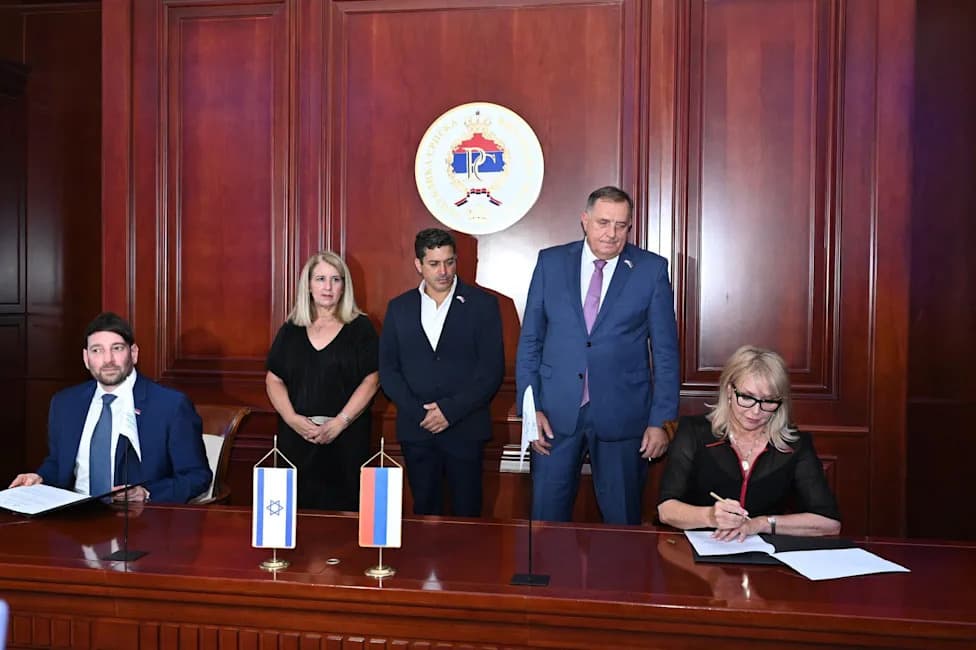
Israeli Ambassador to Bosnia and Herzegovina and Albania Galit Peleg, left, Diaspora Affairs Minister Amichai Chikli, centre, and Milorad Dodik attend the inauguration of the Israel Chamber of Commerce representative office in Banja Luka, Republika Srpska [X/@MiloradDodik]
The Israeli Chamber of Commerce last week opened an office in Banja Luka, the administrative centre of Republika Srpska, a move local officials said will "further strengthen" economic and political ties between the Bosnian Serb entity and Israel.
The inauguration comes as Israel faces intensified international criticism over its campaign in the Gaza Strip, including condemnation from the Sarajevo-based Federation of Bosnia and Herzegovina, the country's other main political entity. In contrast, Republika Srpska has offered strong public backing for Israel since the Gaza war began in October 2023.
Milorad Dodik, the entity's former president and its most influential political figure, has repeatedly voiced pro-Israel positions and positioned Republika Srpska as a regional Israeli ally. After the Gaza war erupted, Dodik declared that Republika Srpska fully supports Israel's right to self-defence; the Palace of the Republic in Banja Luka was lit in the colours of the Israeli flag.
Dodik was removed from office last year and barred from holding public office for six years after being convicted for refusing to comply with rulings by the international high representative enforcing the Dayton peace accords. He has opposed moves to recognise Palestine internationally; in August 2025 he said, "a state that does not exist in reality cannot be lawfully recognised."
Speaking at the opening ceremony in Banja Luka, Dodik highlighted what he described as historical and political bonds between Serbs and Jews and compared their perceived "suffering." He said, "We have shown that we can, under impossible conditions and in an environment that is historically speaking hostile, preserve our identity and our holy word, which is freedom."
Galit Peleg, Israel's ambassador to Bosnia and Herzegovina, described the new office as a platform to connect companies and promote "investment cooperation" but provided few details about concrete projects. She also referenced pro-Palestine protests in Sarajevo: "At a time of protests and threats in Sarajevo, the Office of President Milorad Dodik offered us a beautiful building in Banja Luka," she said.
Republika Srpska officials announced plans for a support programme to adopt Israeli technologies and have hinted at potential Israeli investments, while offering no firm timelines or financial details. The office is headed by Amir Gross Kabiri, an Israeli businessman and investor whose profile in Bosnia rose after a subsidiary of the M.T. Abraham Group signed a 2020 lease for the facilities of the collapsed Mostar aluminium plant Aluminij.
Ana Trisic Babic, acting director of the Office for International Cooperation of Republika Srpska, said the entity and Israel "have long nurtured friendly relations," linking that affinity to "the historical experiences of the two peoples and the challenges they face." She added that Republika Srpska sees Israeli Prime Minister Benjamin Netanyahu's support for the office as confirmation of those ties.
Analysts warned the move carries broader political risks. Davor Gjenero, a Zagreb-based analyst with expertise in Western Balkans politics, said the office could provide Republika Srpska with avenues to ease mounting fiscal pressures, including rising debt, calling the entity "facing a kind of bankruptcy."
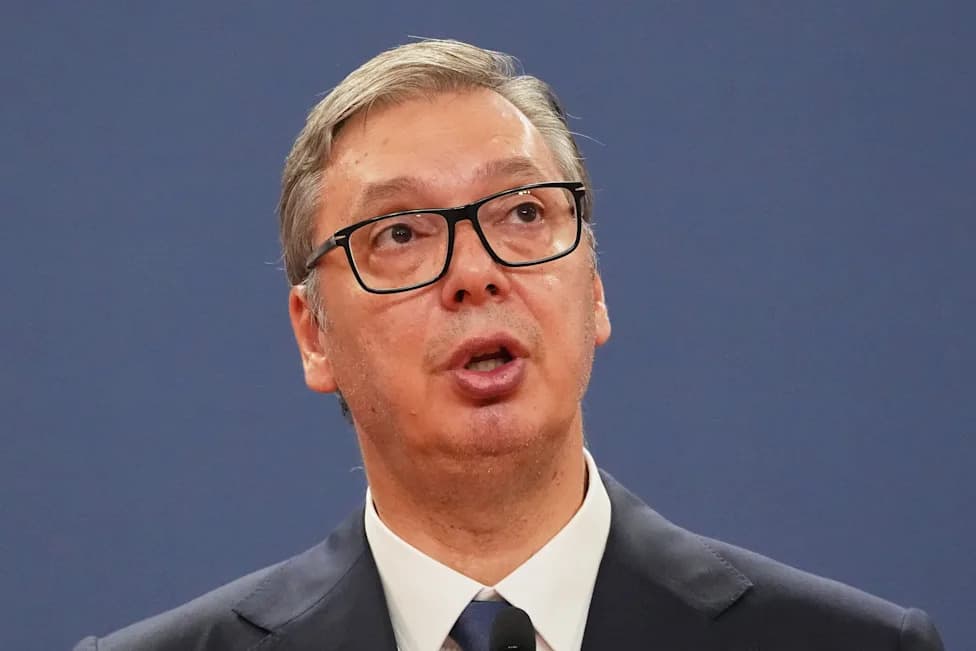
Gjenero also pointed to policy parallels between Dodik and Serbian President Aleksandar Vucic and said closer ties with Israel — particularly if expanded into the military sector through Serbia — could exacerbate centrifugal forces in Bosnia and threaten the country's unity and sovereignty. He warned that unilateral moves by Republika Srpska "without coordination with Sarajevo" could complicate Bosnia and Herzegovina's dialogue with the European Union as it pursues accession.
For now, the new office signals a deepening relationship between Republika Srpska and Israel, but questions remain about the scale, timing and transparency of promised investments and technology programmes — and about the broader political consequences for Bosnia and Herzegovina's fragile post-war balance.
Help us improve.