Whitney Independent School District in Texas will adopt a four‑day week in 2025 as districts nationwide experiment with shorter instructional schedules to attract and retain teachers. Early results show improved teacher recruitment, reduced retirements, and better staff wellbeing, but research on student outcomes is mixed — an Iowa study found five‑day students performed better on average. Critics warn the change creates childcare burdens, equity concerns, and potential increases in screen time for children.
Texas District Adopts Four‑Day School Week in 2025 — Parents Push Back as Debate Grows

Whitney Independent School District in Texas will switch to a four‑day school week beginning in the 2025 school year, joining dozens of Texas districts and more than 900 school systems nationwide that have experimented with truncated schedules. The change is part of a broader effort to address widespread teacher shortages and burnout — but it raises new questions about academics and family logistics.
Why Districts Are Trying Four‑Day Weeks
With budgets tight and large across‑the‑board pay increases often infeasible, some districts are testing non‑pay incentives to recruit and retain teachers. A weekly day off for planning, grading, or rest can make positions more attractive without raising salaries directly. Districts that have adopted the model report an uptick in teacher applications, fewer retirements, and improved self‑reported staff wellbeing.
What The Evidence Shows So Far
Early indicators are mixed. Administrators cite clear staffing benefits, but research on academic outcomes is inconclusive. Implementation varies: some districts extend each school day so total instructional minutes remain roughly the same (resulting in very long days), while others reduce total instructional time. A study of Iowa schools that shortened weeks found students in five‑day programs performed better on average, highlighting potential learning risks.

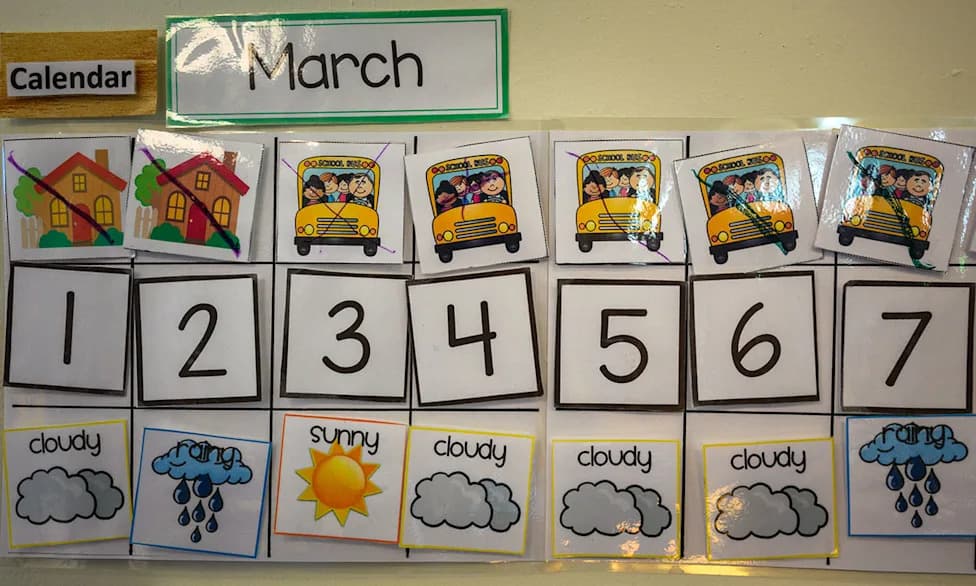
In a 4-day model, kids often (but not always) receive less instructional time.Photo by Ivan Aleksic on Unsplash
Childcare, Equity, And Screen Time Concerns
For many working families, particularly in urban and suburban areas with two earners, a missing weekday creates a childcare gap. Schools can offer paid care on the off day, but that option adds expense and may not be practical for households with multiple children. Without affordable alternatives, many children are likely to spend additional unsupervised hours on screens — a concern for parents and child development experts.
“A band‑aid solution with diminishing returns,” warned a Missouri Commissioner of Education, arguing that a single planning day won’t resolve systemic problems such as politicized scapegoating of educators, unrealistic curricular expectations, or underfunded classrooms.
Possible Compromises
Some educators propose middle‑ground models: a modified five‑day schedule where teachers get protected planning time while students remain on campus for enrichment activities such as clubs, arts, and music. That approach aims to preserve supervision and learning opportunities without sacrificing teacher recovery time.
What Parents And Districts Should Consider
District leaders weighing a shift to a four‑day week should examine local workforce realities, equity implications, costs for families, and evidence on student outcomes. For parents, the tradeoffs are complex: many appreciate extra family time and support for teachers, but practical burdens — childcare costs, schedule juggling, and potential academic impact — make the change controversial.
Bottom line: The four‑day school week is a growing strategy to address teacher shortages, and it has shown early promise for staff recruitment and wellbeing. However, its effects on student achievement and family equity vary by implementation and community context, meaning the policy will likely remain hotly debated as more districts study the option.
Help us improve.