The Worcester City Council voted on Sept. 22 to reject a proposed ordinance that would have levied $25 fines for sleeping or camping on public property, after residents and councilors argued it would criminalize homelessness. Speakers urged alternatives and warned fines could deepen debt for people without shelter. Mayor Joseph Petty called for more compassionate solutions—expanded shelter space, better data-sharing, and easier access to supportive services—and councilors sent the proposal back for revision.
Worcester Council Rejects $25 Fine Plan for People Sleeping Outdoors, Calls for More Compassionate Strategy

Photo Credit: Getty Images
On Sept. 22, the Worcester, Massachusetts, City Council voted down a proposal that would have fined people for sleeping or camping on public property after residents and several councilors raised strong objections.
What Happened
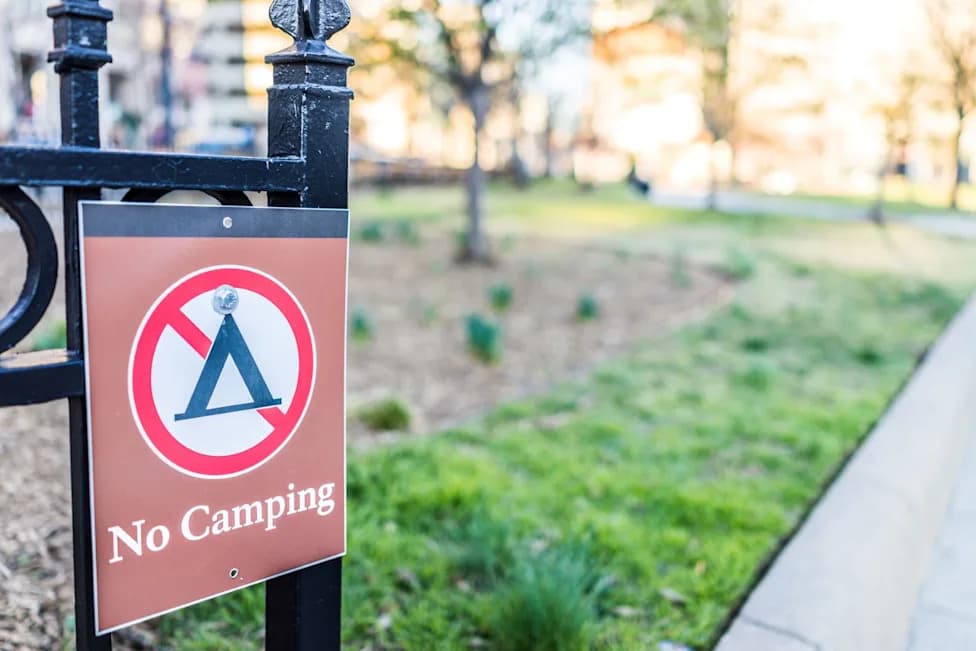
The draft municipal ordinance, proposed by City Manager Eric Batista and reported by local outlet GBH, would have assessed a $25 fine for each violation involving tents, sleeping on streets or sidewalks, or occupying a vehicle for a full day in public parking areas. Councilors chose not to advance the measure after extensive public comment and internal debate.
Public Response
Residents spoke for roughly two hours before the council considered the proposal. Many argued the fines would effectively criminalize homelessness without addressing root causes such as lack of shelter, mental health care, or affordable housing. Critics also warned that modest fines could push people further into debt rather than helping them find stable housing.
“Please let's think about a little better approach to this,” said Kevin Lynch, an unhoused resident who addressed the council, asking where people would be expected to go if outdoor sleeping was banned.
Leadership Reaction and Next Steps
Worcester Mayor Joseph Petty, who chairs the City Council, questioned the ordinance's effectiveness: “We go take an encampment down — what then?” He urged a more humane response, saying the city should “show some dignity and respect” and focus on expanding shelter capacity, improving data-sharing among social service agencies, and streamlining connections to supportive services.
Rather than reject City Manager Batista's broader strategy entirely, councilors voted to send the proposal back for revisions. Several members said the approach needs “a little more compassion,” and asked officials to develop alternatives that prioritize services and housing solutions.
Broader Context
Cities nationwide face similar dilemmas balancing public safety and the needs of unhoused residents. Examples include controversies over removing trees used by unhoused people in New Jersey, the public identification of a van dweller in Utah highlighting the precarity of vehicle living, and tiny-home communities in California that aim to connect people to services.
What to watch: Revisions to the ordinance and any parallel moves to expand shelter capacity or improve service coordination in Worcester.
Help us improve.