At least 38 people were killed and nearly 30 wounded in three mass shootings across South Africa this week, including an attack in Wedela that killed 17. Police say all three incidents involved multiple shooters and appear linked to organized criminal activity — notably illegal-mining crews and gang networks — rather than lone attackers or ideological motives. Structural vulnerabilities in poor townships and a surge in illegal firearms drive much of the violence. The government has deployed soldiers to support police amid debate over whether military involvement masks deeper policing failures.
Why South Africa’s Recent Mass Shootings Involve Multiple Gunmen — And How They Differ From Lone-Actor Attacks
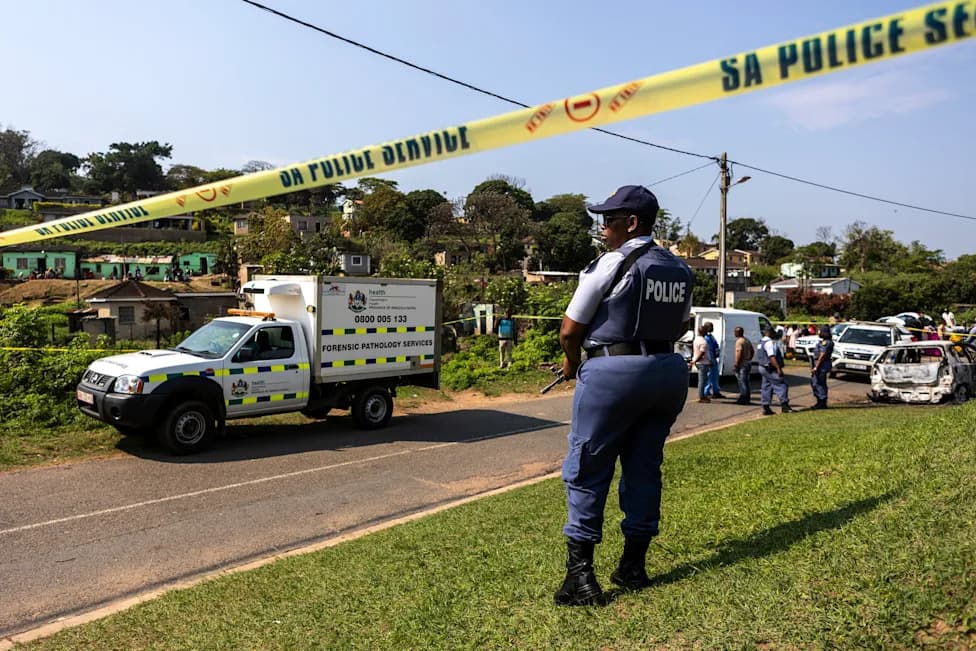
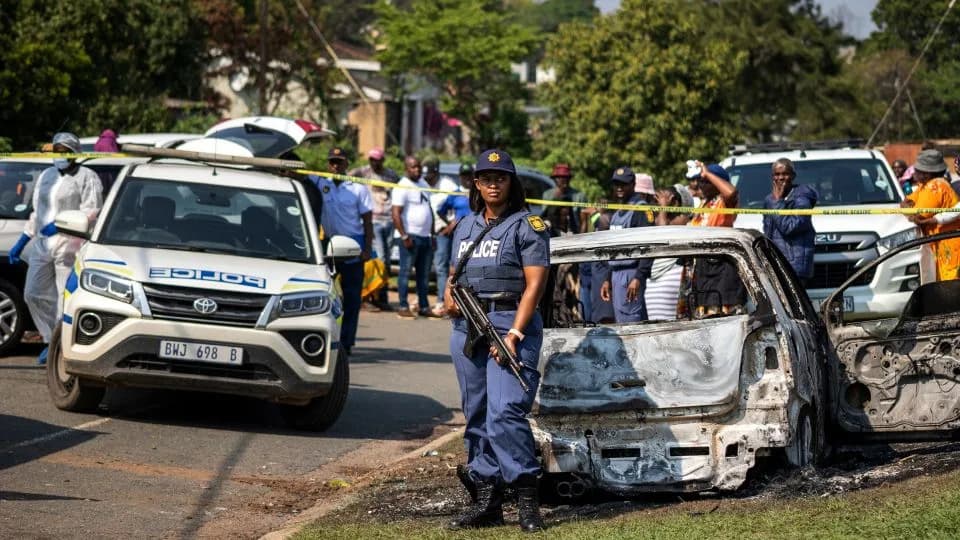
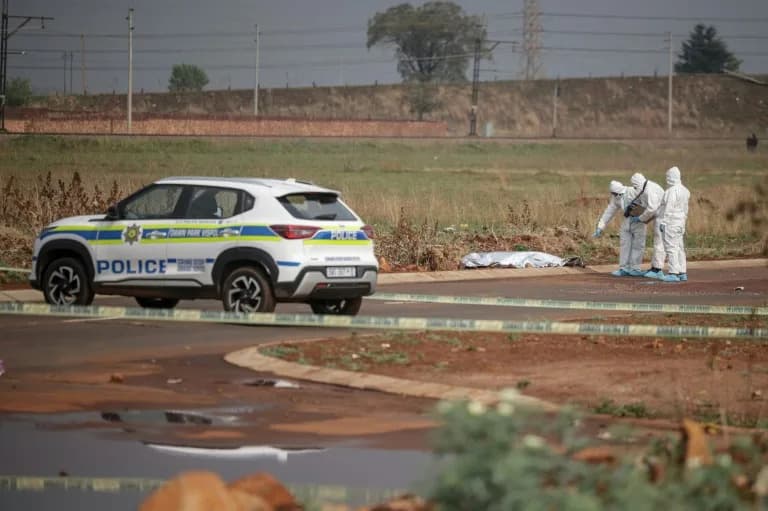
A police officer is seen at a scene of a mass shooting at a house party in KwaMakhutha township south of the city Durban, South Africa, Wednesday, Sept. 23, 2026. (AP Photo)(AP Photo/STR)
Multiple coordinated attacks across South Africa this week left scores dead and highlighted a pattern that often distinguishes the country's mass shootings from the lone-gunman incidents seen elsewhere: they are frequently carried out by multiple assailants tied to organized criminal activity rather than by isolated individuals with ideological motives.
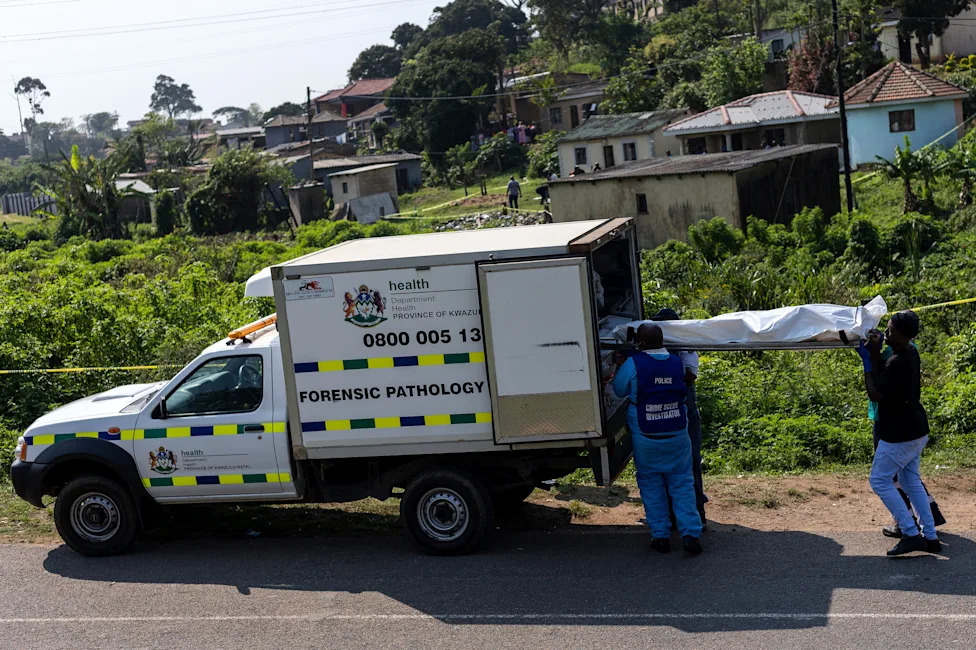
Police officers load a body into a forensic pathology vehicle at the scene of a mass shooting in KwaMakhutha township south of the city of Durban, South Africa, Wednesday, Sept. 23, 2026. (AP Photo)(AP Photo/STR)
Recent Attacks
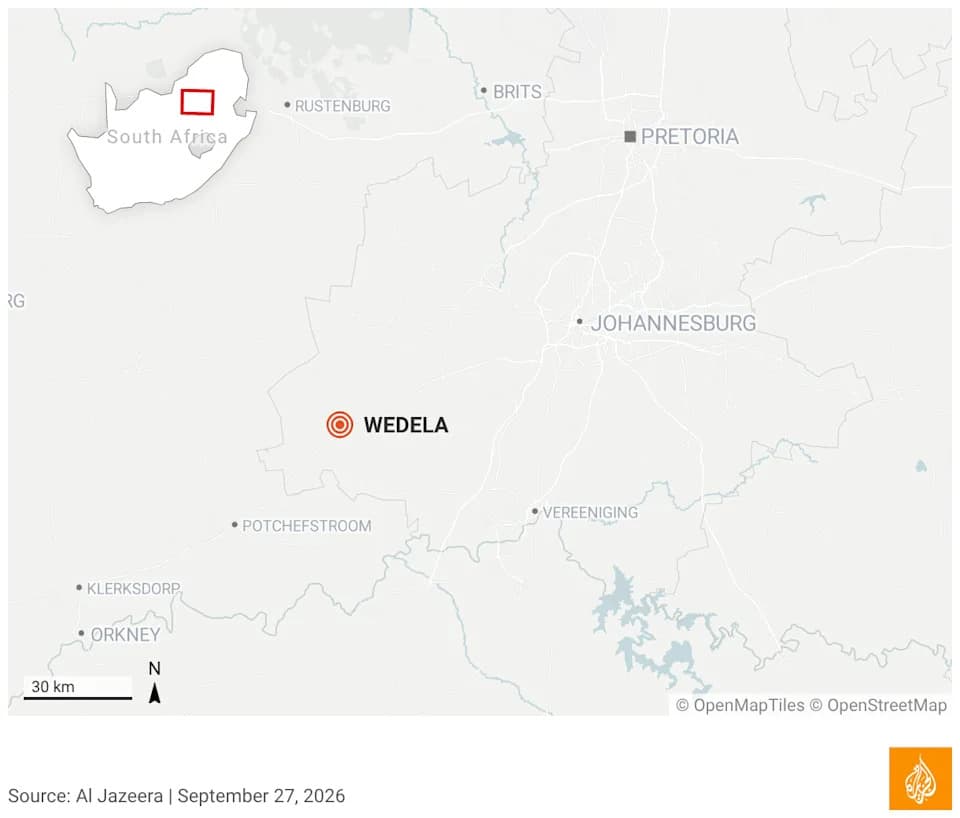
Police say at least 38 people were killed and nearly 30 wounded in three separate late-night shootings in poor townships outside South Africa's three largest cities over the span of six days. In Wedela township, southwest of Johannesburg, eight gunmen armed with AK-47 rifles and pistols opened fire outside a neighborhood bar and then continued the attack inside, killing at least 17 people. Hours later in Lwandle township near Cape Town, a multi-perpetrator assault at a store tied to a late-night entertainment venue left 10 dead. In KwaMakhutha near Durban, three gunmen — at least one reportedly using an AK-47 — forced their way into a house party and killed 11.
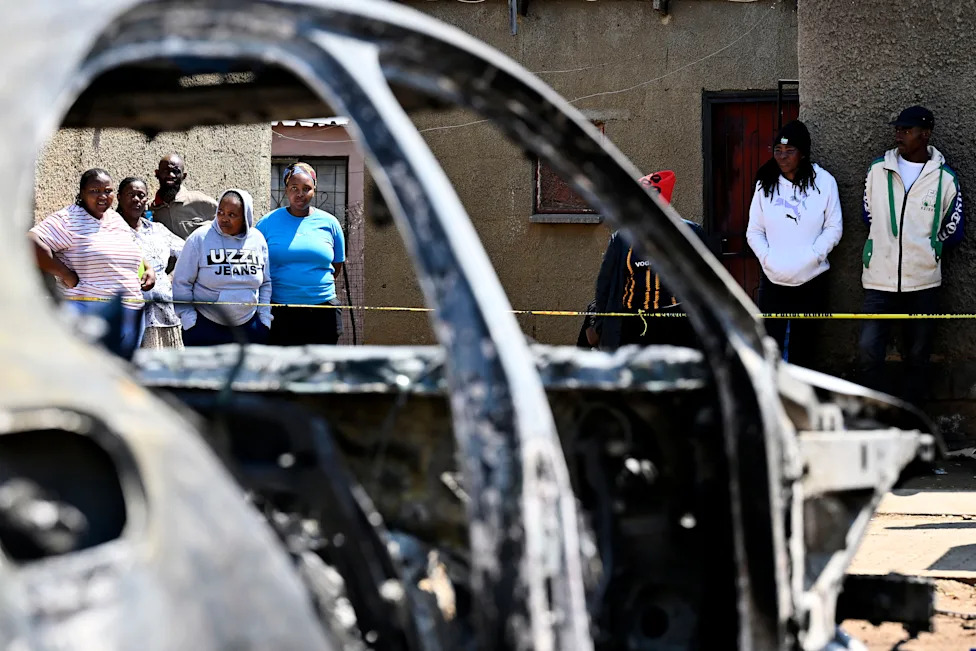
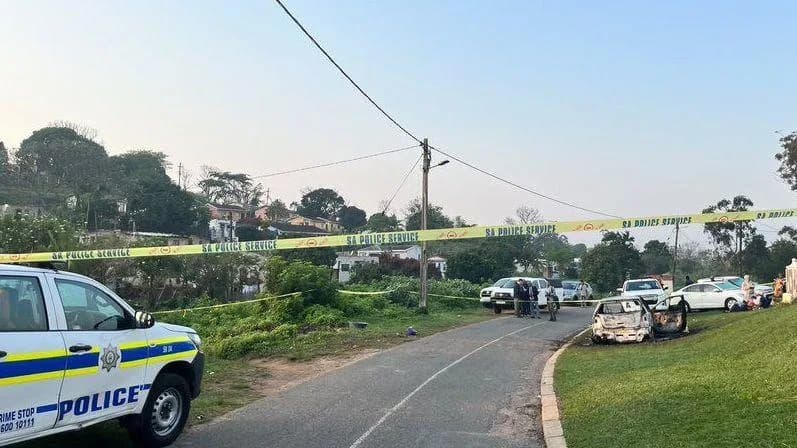
Community members stand at scene of a mass shooting on Saturday night when suspects opened fire at a bar in Wedela township, southwest of Johannesburg, South Africa, Sunday, Sept. 27, 2026. (AP Photo)(AP Photo/)
How Police Define Mass Shootings
There is no single global definition of a mass shooting. South African police define a mass shooting as an incident in which three or more people are shot in a single attack. Authorities say all three incidents this week involved multiple attackers, and investigators are pursuing suspects in each case.
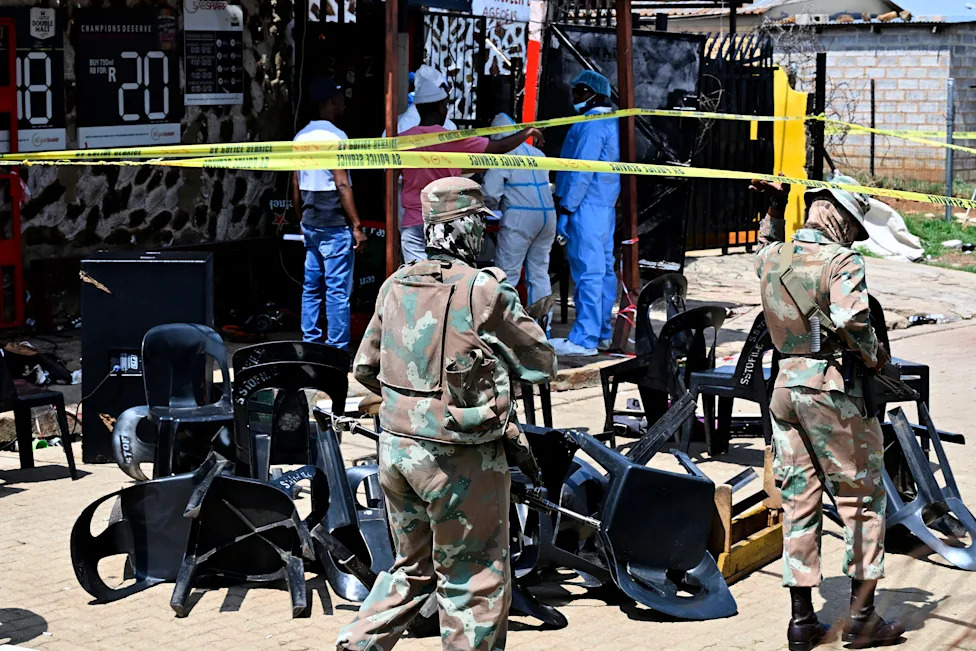
Forensic officers and the army members are seen at scene of a mass shooting on Saturday night when suspects opened fire at a bar in Wedela township, southwest of Johannesburg, South Africa, Sunday, Sept. 27, 2026. (AP Photo)(AP Photo/)
Why These Attacks Often Involve Multiple Gunmen
Police and analysts attribute many of South Africa's mass shootings to organized criminal networks rather than lone actors driven by ideology or personal grievance. Common drivers include gang turf wars, reprisals, and efforts to control illicit economies — notably the illegal gold-mining trade around Johannesburg and drug- and extortion-related networks in the Cape Town area. Illegal-mining crews have been reported to terrorize communities near gold fields, while other gang networks use mass violence to assert dominance or settle scores.
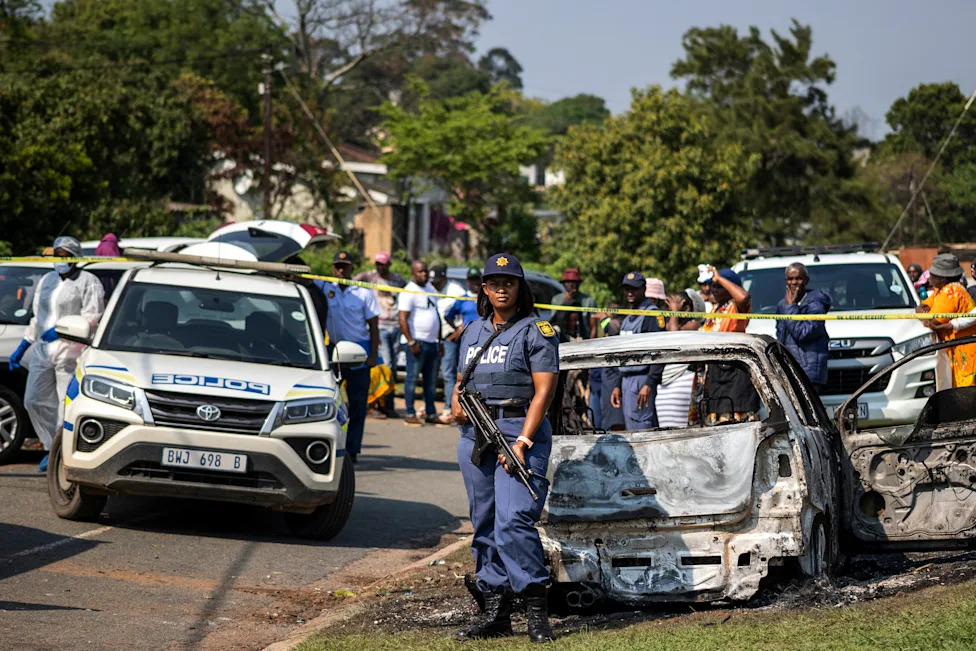
A police officer stands at the scene of a mass shooting at a house party in KwaMakhutha township south of the city of Durban, South Africa, Wednesday, Sept. 23, 2026. (AP Photo)(AP Photo/STR)
Structural Vulnerabilities
Experts point to structural factors that make poor townships especially vulnerable: long distances to police stations, limited policing capacity, poor street lighting and inadequate municipal services. These factors, combined with the ready availability of illegal firearms, concentrate violence in impoverished communities and increase the risk that innocent bystanders, including children, will be killed.
Government Response
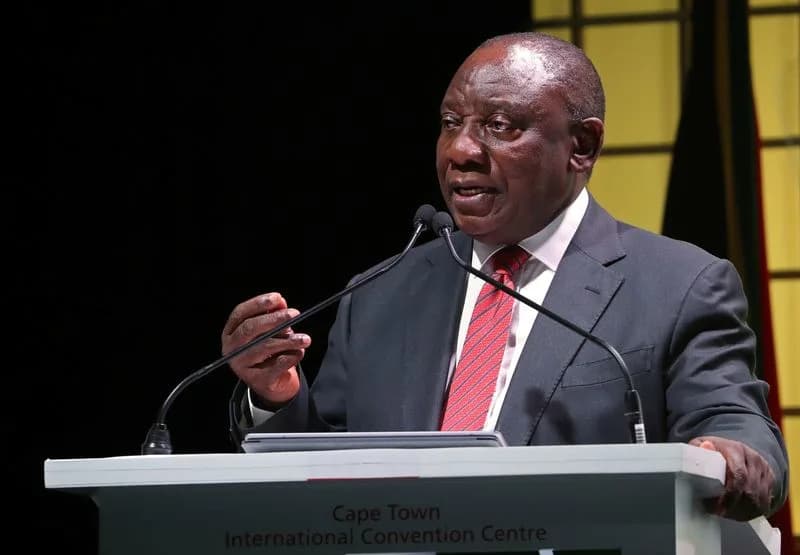
In March, President Cyril Ramaphosa ordered soldiers onto the streets in a yearlong operation to support police efforts against organized-gang violence, explicitly targeting illegal-mining gangs around Johannesburg. While some residents have welcomed the military presence as immediate reinforcement, critics argue that deploying the army underscores policing failures and is only a short-term fix. Government officials say soldiers are a temporary measure while longer-term policing and social interventions are developed.
Bottom line: Recent mass shootings in South Africa reflect entrenched criminal networks and social inequalities, with multiple perpetrators often used to carry out coordinated, deadly attacks in vulnerable communities.
Help us improve.