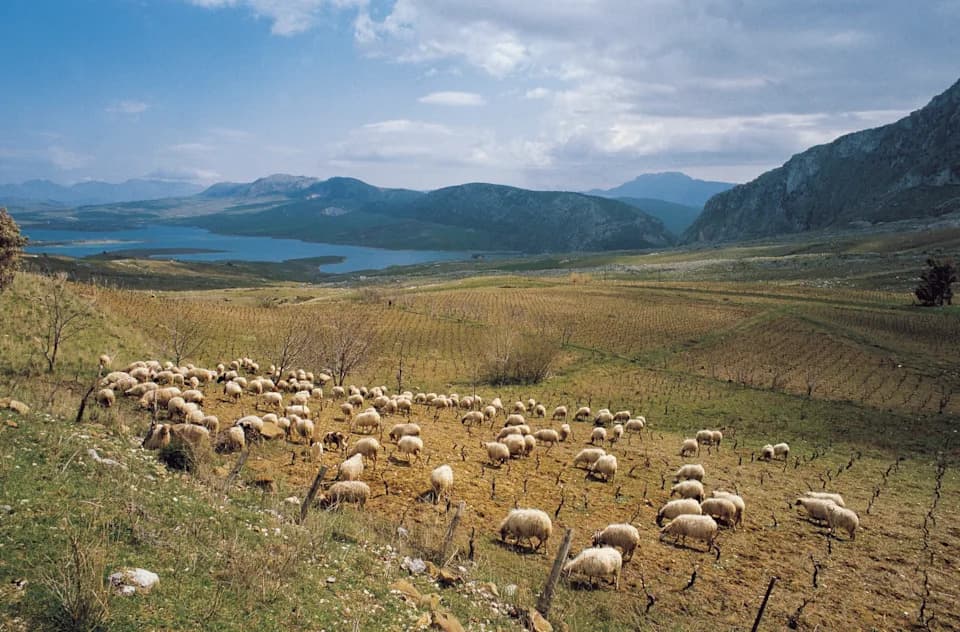
Piana degli Albanesi, a 500-year-old Arbëreshë town in Sicily, is losing farmers and traditions as drought, extreme heat and repeated wildfires make ranching and farming increasingly untenable. A single major blaze killed more than 20 sheep, fires reached the area four times in a recent six-year span, and the town's population fell nearly 17% from 2015 to 2024. Local leaders are promoting wildfire prevention, tourism and diaspora ties while farmers adapt practices — sometimes at the cost of local foods and customs — and officials debate funding for larger-scale climate resilience.
Sicily's Centuries-Old Farms at Risk: Drought, Heat and Wildfires Forcing Families Off Ancestral Land
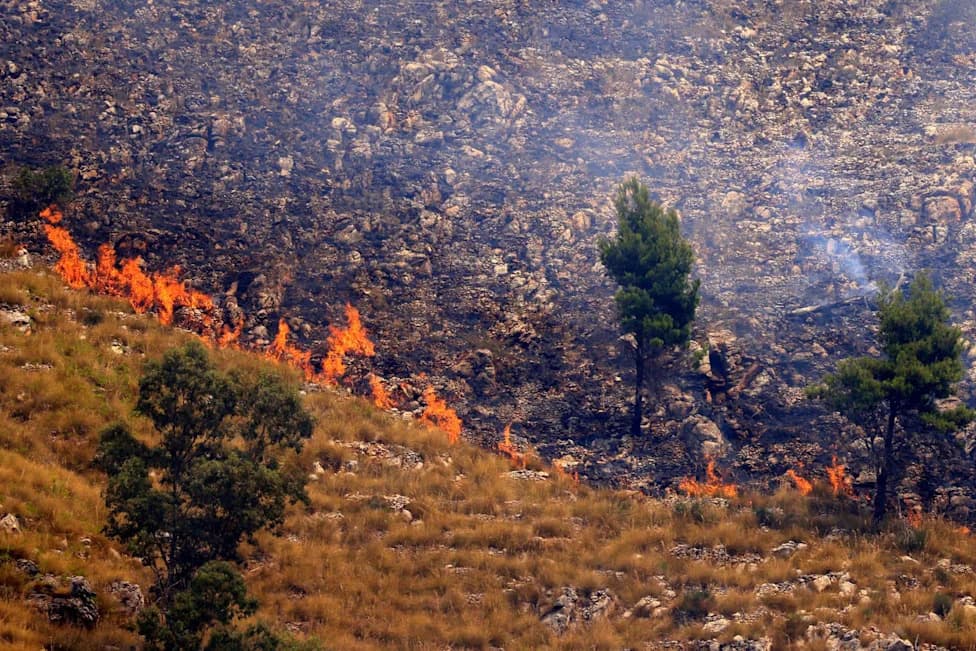
Photo Credit: Getty Images
In the mountain town of Piana degli Albanesi, a 500-year-old Arbëreshë community in Sicily, a once-expected life path — children inheriting family land, livestock and the customs that bind the community — is unraveling under the twin pressures of prolonged drought and intensifying wildfires.
A Community Under Strain
Farmer Giorgia Caruso described the personal toll:
“I have two daughters I wished could take over our farming business one day, which is like our third child.”A single large blaze killed more than 20 of Caruso's sheep and damaged part of her family's land, deepening doubts about whether farming can be passed to a new generation. Reporting by Grist highlights how repeated fires and heat stress are reshaping life in this small town.
Facts and Local Impact
Nearly half of Italy's wildfires occur in Sicily. In the six-year period cited by the report, fires reached Piana or surrounding areas on four occasions, and more than 100 people were displaced in 2021 during a particularly destructive season. The town's population fell from 6,293 residents in 2015 to 5,245 by 2024 — a decline of nearly 17 percent.
Climate Context
The Mediterranean is warming faster than the global average, and Sicily is experiencing prolonged drought, extreme heat and more destructive fire seasons. On Aug. 11, 2021, Sicily recorded 119.8 °F, setting a European temperature record. Drought reduces reservoir levels, ruins crops and undermines water and power reliability, while fires can destroy homes and force evacuations.
Culture, Economy and Adaptation
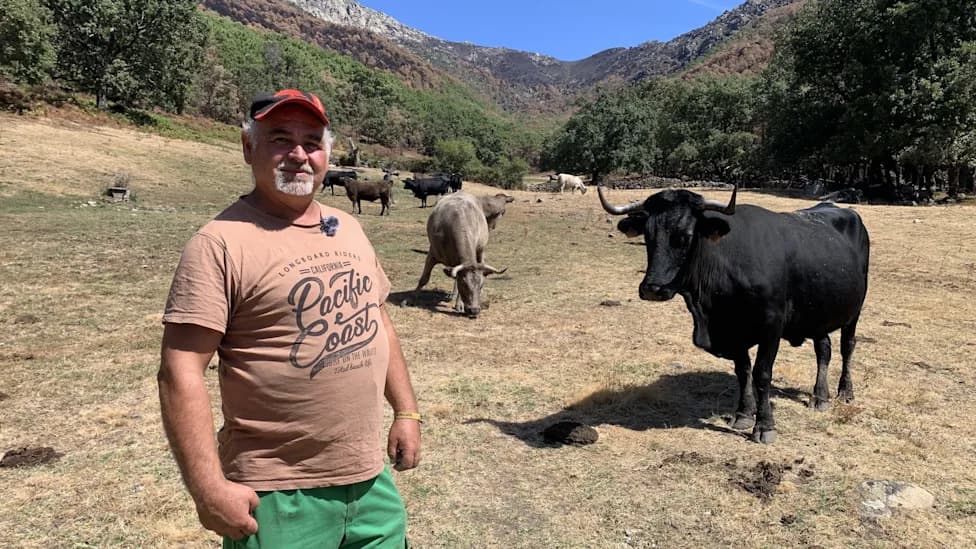
For fourth-generation Arb&ebreve;reshë farmer Giovanni Scalora, the threat is cultural as well as economic:
“If we disappear, a part of Sicily's and Albania's and Europe's cultural history disappears.”University of Catania ecologist Christian Mulder warned that “extreme droughts as well as sudden, temporary extreme rainfall are severely damaging agricultural fields,” and that climate change is accelerating the depopulation of Sicily's rural interior.
Some families are trying to adapt. After struggling to find sheep breeds that tolerate hotter, drier conditions, Scalora shifted to breeding cattle — a pragmatic choice that carries cultural and economic trade-offs because the town's celebrated ricotta is traditionally made from sheep's milk.
Local Response and Wider Challenges
Since taking office in 2022, Mayor Rosario Petta has prioritized wildfire prevention, closer coordination with Civil Protection, and measures to slow population decline. Petta warned that losing residents risks the erosion of the Arb&ebreve;reshë language and identity. Local leaders are promoting tourism and outreach to the Arb&ebreve;reshë diaspora in the United States, Albania and Kosovo, while regional and national officials debate who should lead large-scale climate adaptation and how to fund it.
Caruso has a different hope for her daughters:
“We adults don't want to go away. But the new generation, the one of my daughters, I'm sure will not grow up here. I've told them, 'America awaits you.' I want a better life than this for them.”
Broader Significance
Piana degli Albanesi illustrates a broader global trend: drought, extreme heat and wildfires are disrupting traditional farming communities and food systems from Sicily to the western United States, Turkey and Nigeria. The losses affect not only livelihoods and food production but also languages, recipes and cultural memory tied to the land.
Help us improve.