Piana degli Albanesi, a 500‑year‑old Arbëreshë town in Sicily, is facing repeated droughts and wildfires that have damaged farms, killed livestock and driven residents to consider leaving. The town lost nearly 17% of its population from 2015 to 2024, and experts warn climate pressures may force migration that endangers language and cultural traditions. Local efforts include volunteer wildfire prevention, tourism and diaspora partnerships, but residents and scientists say meaningful adaptation requires far greater national and regional support.
Can a 500‑Year‑Old Sicilian Arbëreshë Town Survive a Warming Climate?
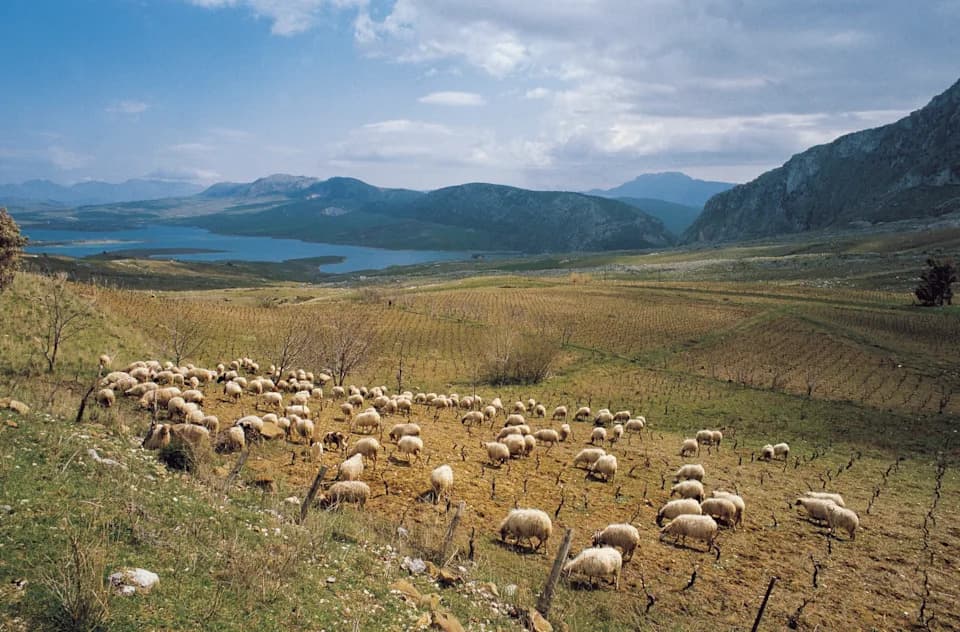
A flock of sheep graze in a vineyard near Piana degli Albanesi, Sicily, Italy, in October 2017.
Giorgia Caruso always pictured her two daughters taking over the family farm in Piana degli Albanesi — three generations of land stewardship, livestock and ricotta that helped define this Arbëreshë community for roughly 500 years. Today, repeated droughts and wildfires are putting that inheritance at risk and forcing many residents to weigh whether to stay or leave the hilltop town south of Palermo.
A Community Rooted In The Land
Piana degli Albanesi was founded by Albanian refugees in the 15th century. Perched on a fertile plateau about 40 miles south of Palermo, the town became known for wheat, sheep and dairy — including ricotta used in the celebrated local cannoli — and for preserving Arbëreshë language and customs across centuries.
"I have two daughters I wished could take over our farming business one day, which is like our third child," Caruso said, tears in her eyes as she tended the last of the family's livestock. "Many times we've thought of resettling to a safer area, even abroad. But it's just so hard to pack up and leave our homeland."
Climate Stress Is Increasingly Clear
The Mediterranean is warming about 20% faster than the global average, and Piana's microclimate is experiencing extreme heat, longer dry spells and more frequent fires. Summer averages over the past decade have hovered around 85°F, with occasional heat extremes topping 100°F. In August 2021, parts of Sicily recorded an unprecedented 119.8°F, and the region now faces a rising risk of desertification.
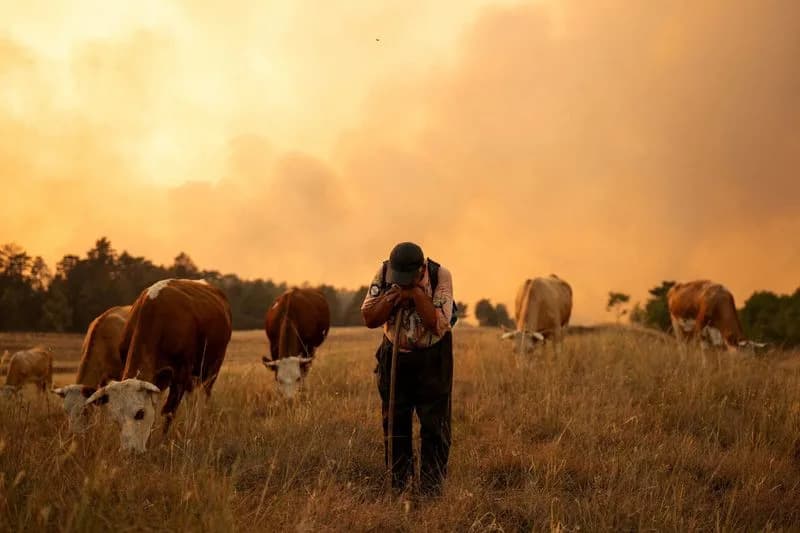
Wildfires have threatened or burned in or around Piana in four of the last six years; 2021 blazes displaced more than 100 people. One late‑July wildfire devastated the Caruso family's fields, destroying several acres and nearly two dozen sheep and raising doubts about the farm's viability for the next generation.
Socioeconomic Consequences And Migration
As agriculture becomes more precarious, people are leaving. Official figures show Piana's population fell from 6,293 in 2015 to 5,245 in 2024 — a decline of nearly 17% and nearly three times Sicily's average loss. Locals link this exodus to lost jobs, damaged farmland and repeated disasters. Experts warn that climate pressures can accelerate depopulation of rural, culturally distinct communities like the Arbëreshë.
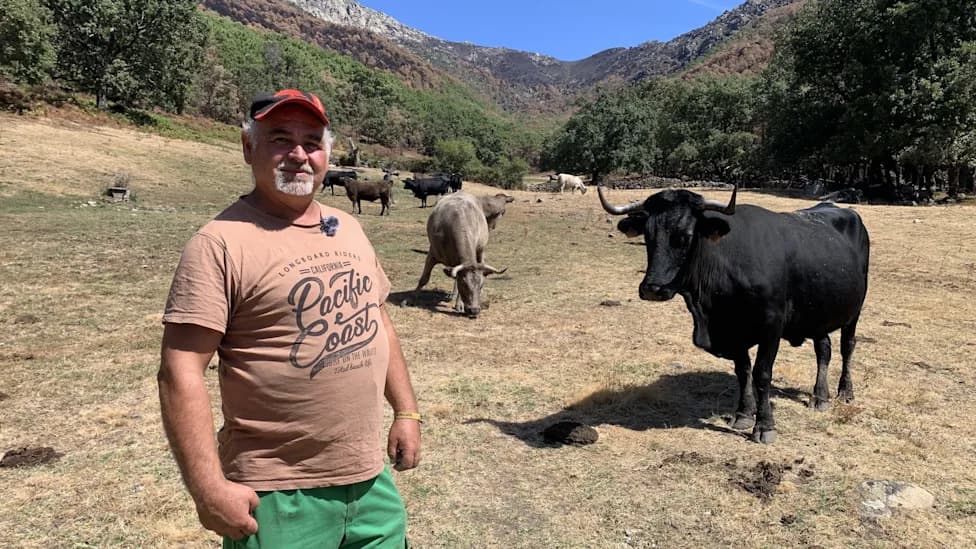
"If our lands burn, there are no jobs for us, no more homes," said Giovanni Scalora, a fourth‑generation farmer whose fields overlook a lake that nearly dried up in 2024. "It's a pity because if we disappear a part of Sicily's and Albania's and Europe's cultural history disappears."
Attempts To Adapt — And Their Limits
Some locals are adapting: Scalora is breeding cattle more tolerant of heat after struggling to find sheep breeds that survive the new conditions, a change that could alter traditional ricotta recipes. Mayor Rosario Petta has prioritized preventing Piana from becoming a ghost town, strengthening civil protection, recruiting volunteer wildfire prevention crews, courting tourism and deepening ties with the Arbëreshë diaspora in the U.S., Albania and Kosovo.
But adaptation faces limits. Tourism can bring revenue while also increasing stress on water and energy systems. Local officials say national and regional support is insufficient for the scale of the crisis. In 2023 wildfires scorched 142,150 acres across Sicily and extreme heat caused more than €200 million in agricultural and infrastructure damage; Rome declared a national state of emergency the next year and allocated emergency funds, but municipal leaders say long‑term resilience requires more targeted investment and planning.
What’s At Stake
The loss of farmland and livelihoods threatens more than economics: it risks eroding language, rituals and food traditions tied to the land. Diaspora communities in California and elsewhere are exploring formal partnerships to support cultural preservation, but many residents fear that without stronger, coordinated adaptation policies and funding, Piana's identity could thin as younger generations depart.
Whether this Arbëreshë community — which has survived wars, displacements and poverty for five centuries — can withstand accelerating climate impacts will depend on local resilience, diaspora engagement and decisive national and regional action to protect water, restore landscapes and support sustainable livelihoods.
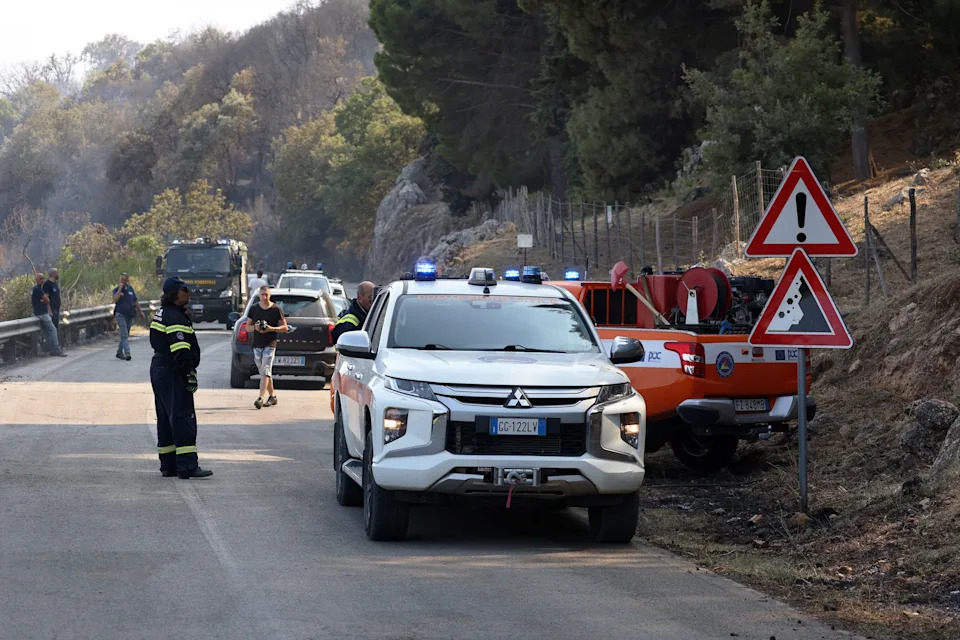
firefighters and trucks block a road in sicily
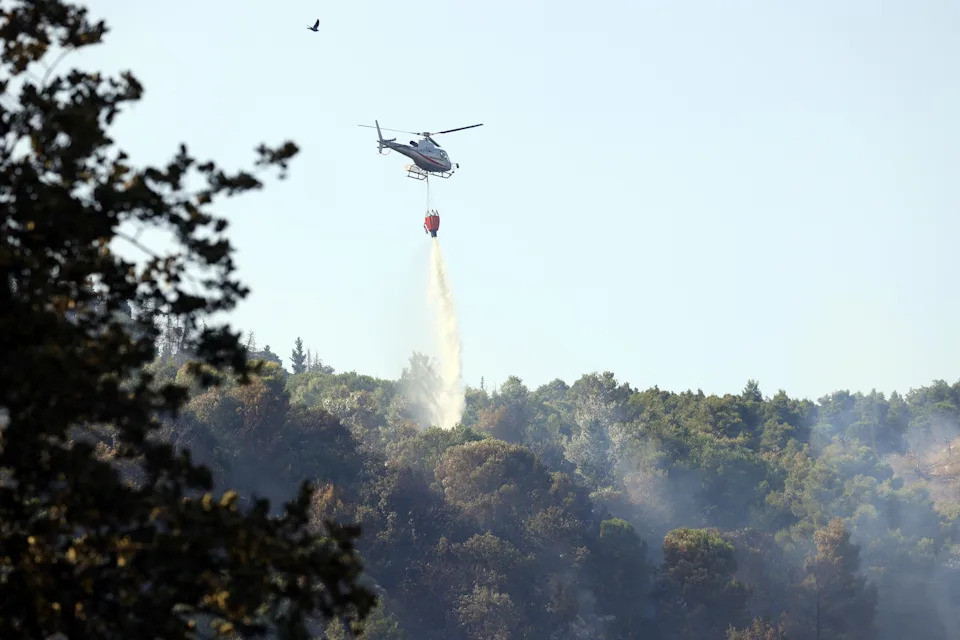
A plane drops water on a fire in a forested area of sicily
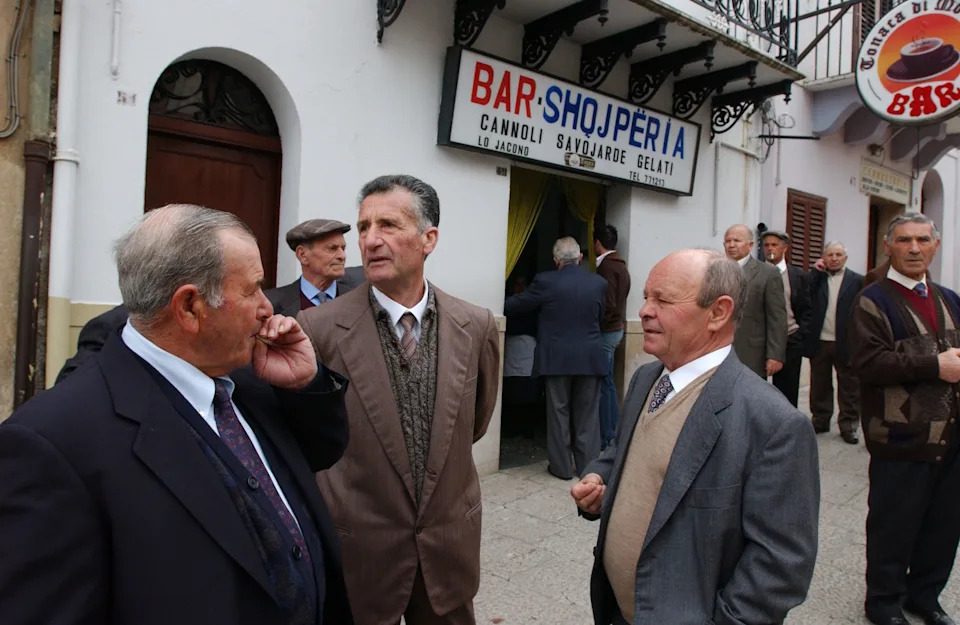
Arbëreshë elderly talk in front of a cafe before the Easter Sunday Holy Mass in April 2004 in Piana degli Albanesi, Sicily, Italy.
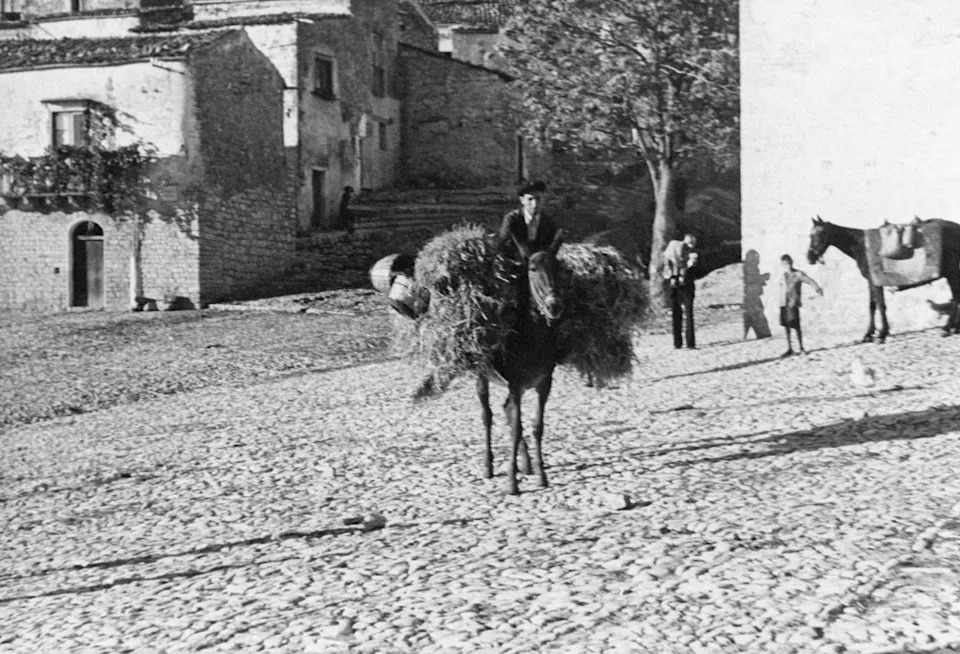
A photo from the 1950s shows a member of the Arbëreshë community with a donkey carrying hay.
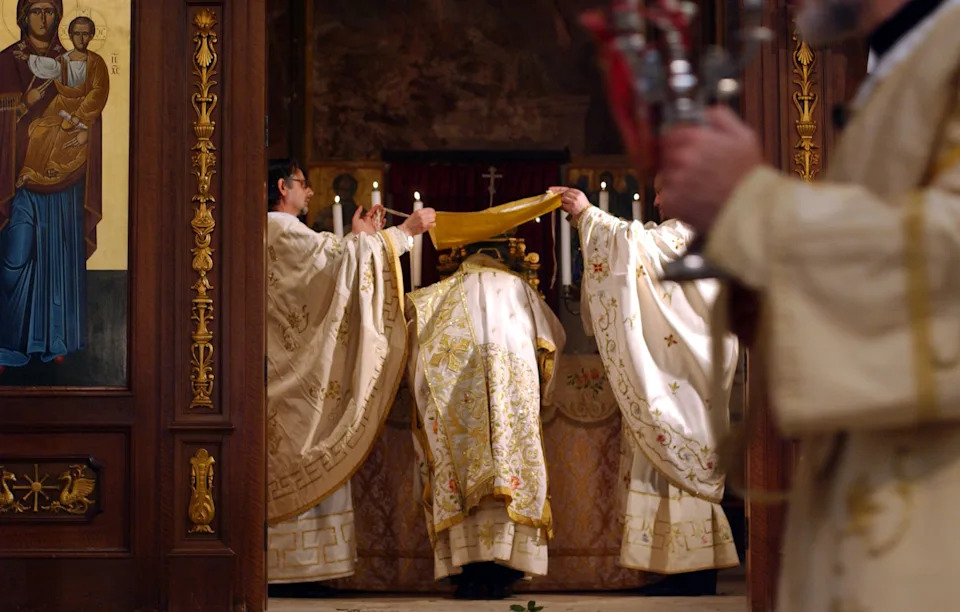
An Arbëreshë priest celebrates the Easter Sunday Holy Mass in April 2004 in Piana degli Albanesi, Sicily, Italy.
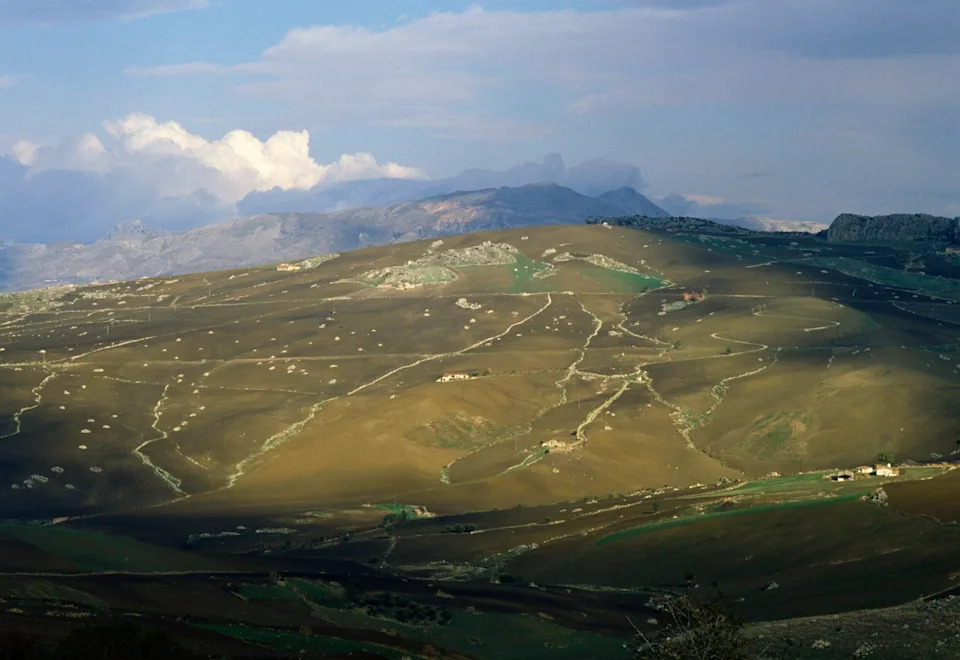
Farms dot the landscape near Piana degli Albanesi, Sicily, Italy, in September 2015.
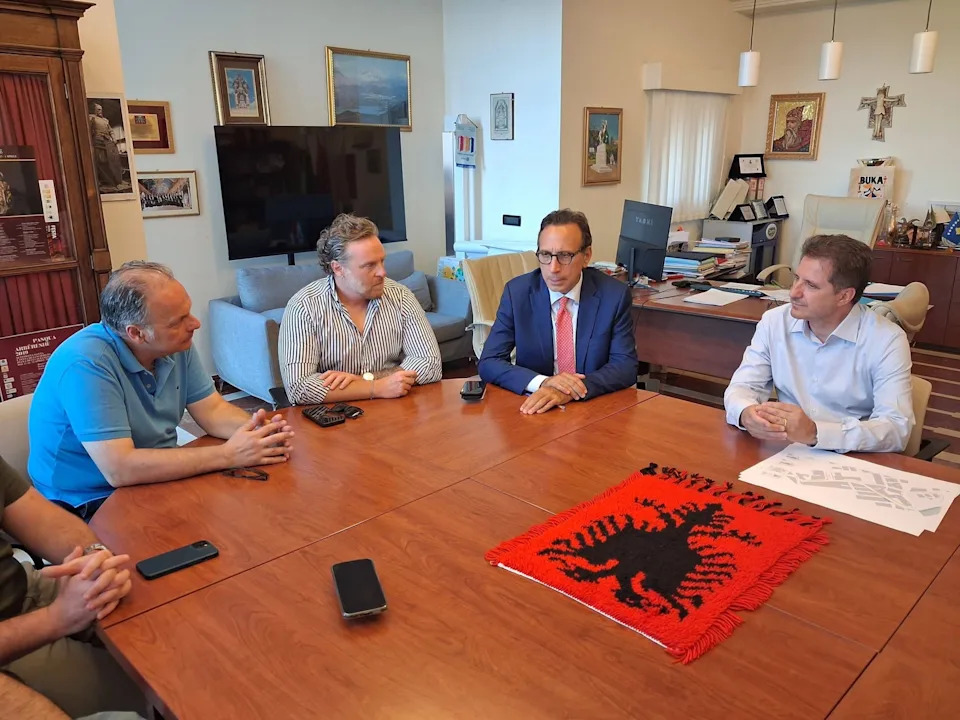
Mayor Rosario Petta (on the right) sits in his office at one of the weekly city council's meetings in Piana degli Albanesi.
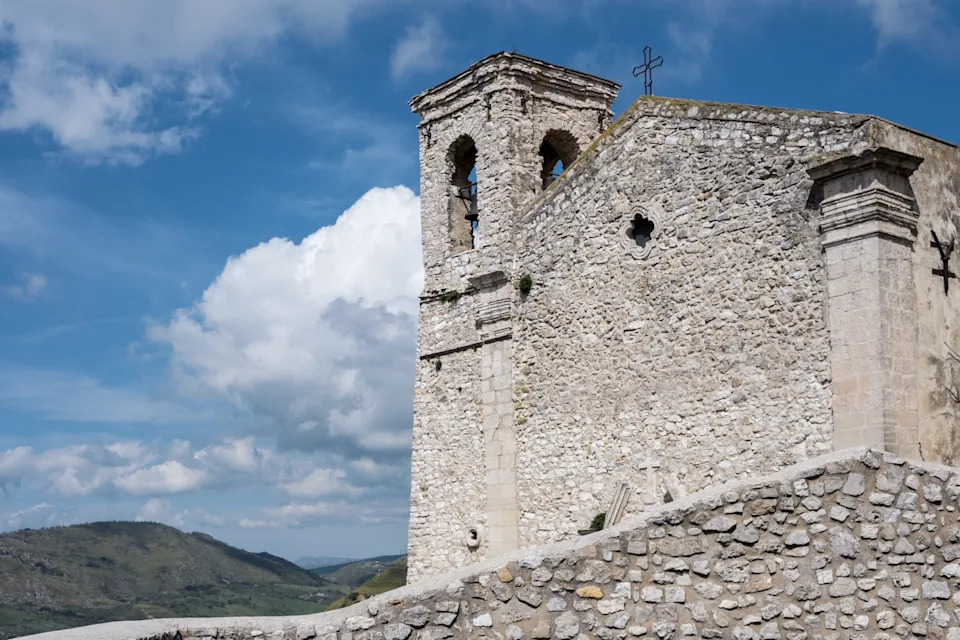
The San Nicola church or sanctuary, built by the Albanians in the 15th century, is the oldest church in Palazzo Adriano in western Sicily, Italy.
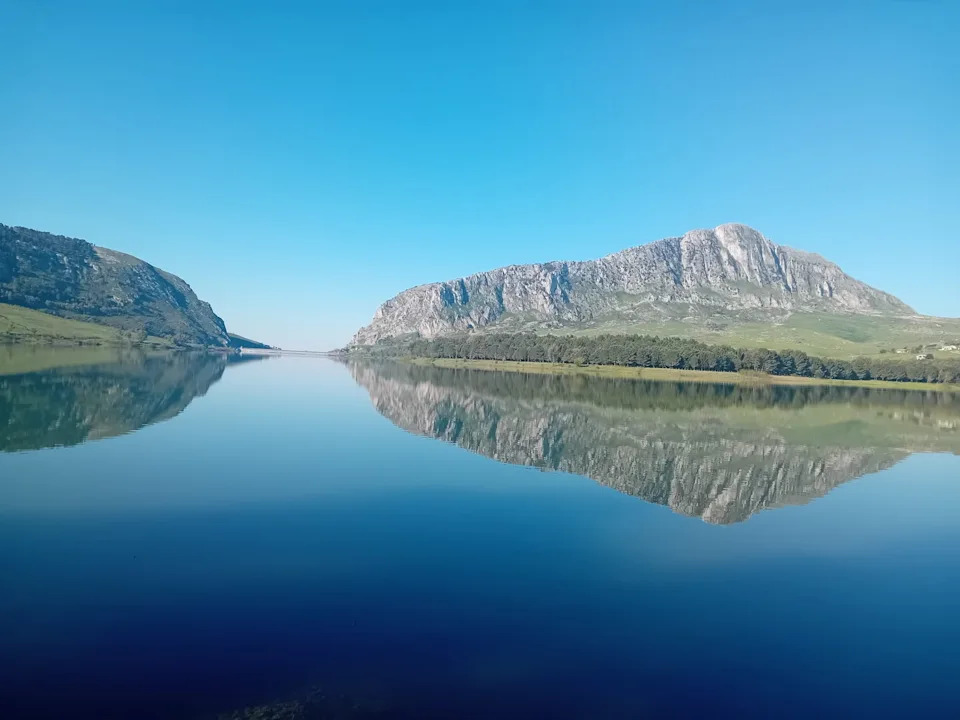
The lake of Piana this past spring, after unusually heavier rainfalls in early 2026 briefly reinvigorated it, sits between mountain plateaus in the Palermo countryside.
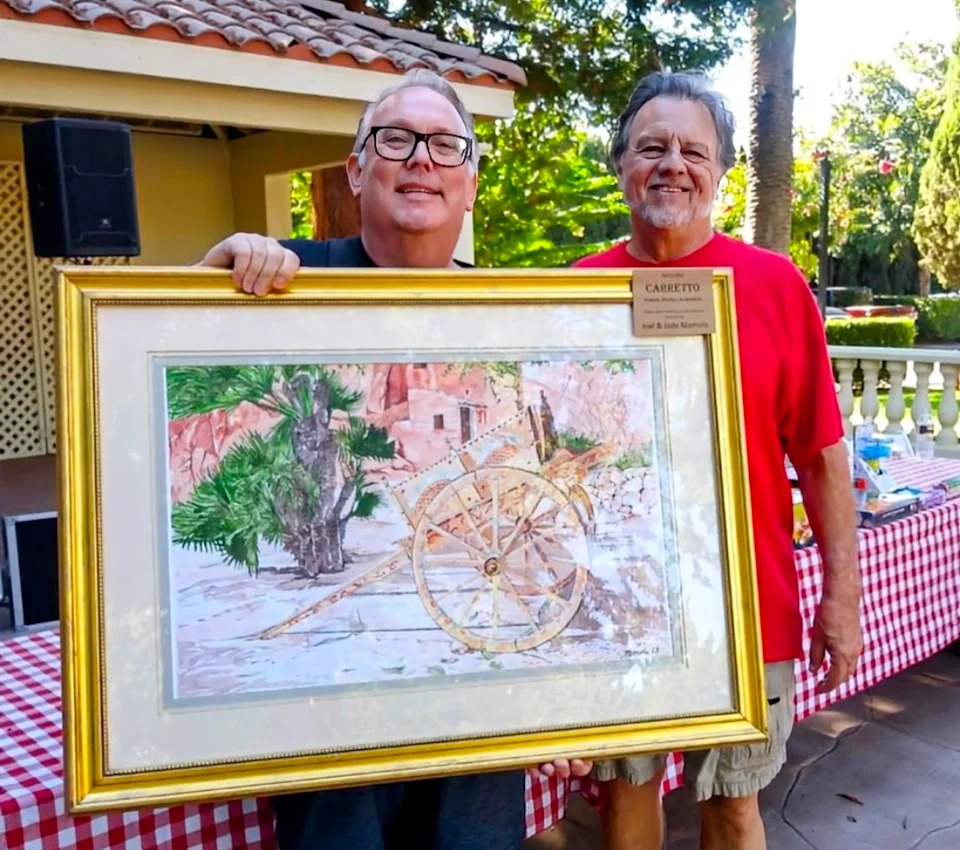
Anthony Plescia (on the right) poses next to a painting of a Sicilian chariot, one of the island's most famous cultural symbols, at a gathering of the Arbereshe of Sacramento. community
Help us improve.