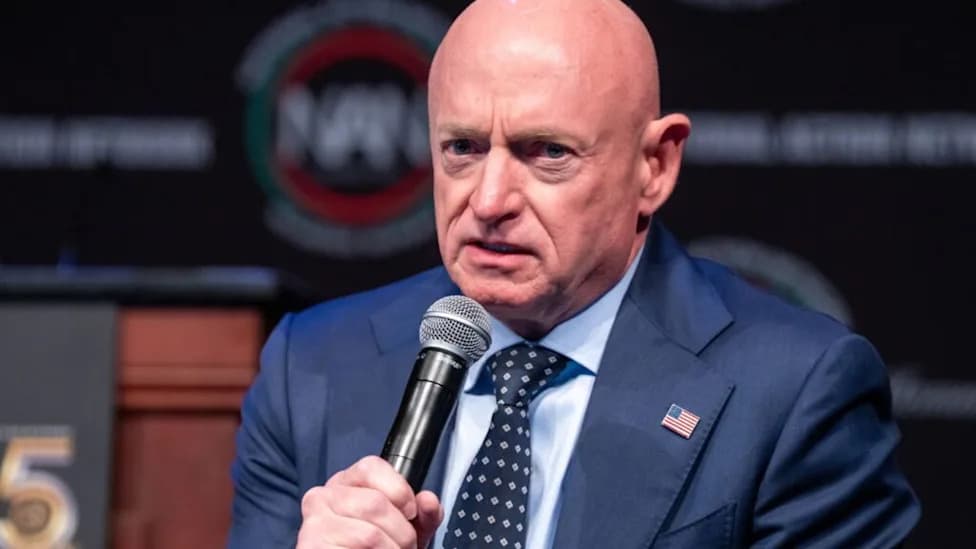
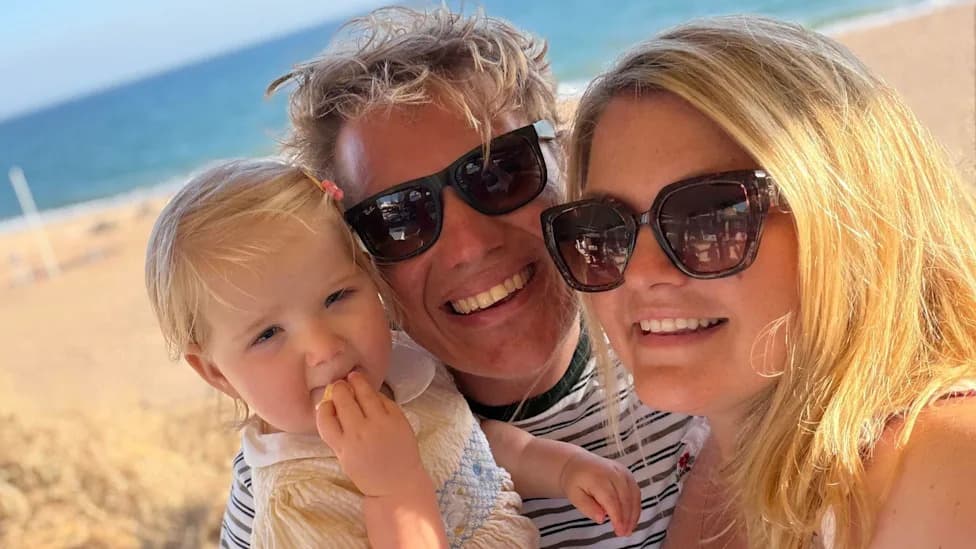
Jim and Jill Kelly are advocating for broader newborn screening nearly 20 years after their son Hunter died from Krabbe leukodystrophy at age eight. They support the bipartisan Surge To Save Newborns Act, which would provide $35 million per year from 2027–2031 to help states implement Recommended Uniform Screening Panel (RUSP) tests. The Kellys stress the effort is nonpartisan and motivated by the goal of getting babies into potentially lifesaving treatment earlier.
“He Would Be Here Today”: Jill Kelly Recalls Losing Son Hunter and Backs Bipartisan Newborn Screening Bill
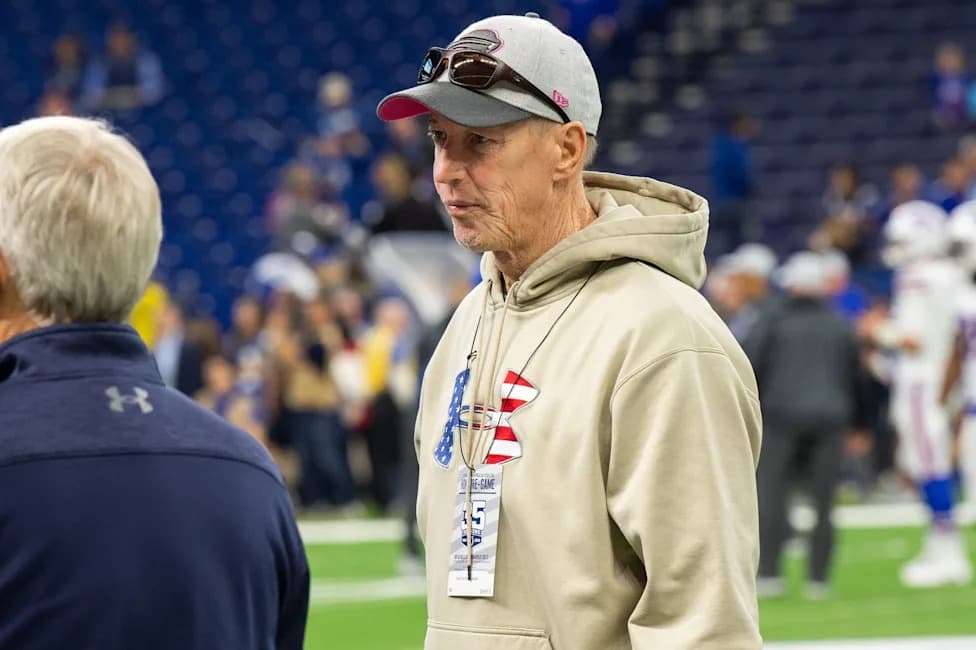
INDIANAPOLIS, IN – OCTOBER 21: Hall of Fame quarterback Jim Kelly on the field before the NFL American Football Herren USA game between the Indianapolis Colts and Buffalo Bills on October 21, 2018, at Lucas Oil Stadium in Indianapolis, IN. (Photo by Zach Bolinger/Icon Sportswire) NFL: OCT 21 Bills at Colts PUBLICATIONxINxGERxSUIxAUTxHUNxRUSxSWExNORxDENxONLY Icon1810210061 ©imago/Icon SMI
Jim Kelly — the Hall of Fame quarterback who threw for more than 35,000 yards and led the Buffalo Bills to four straight Super Bowls — and his wife Jill are renewing a deeply personal fight off the field. Nearly two decades after their son Hunter died of Krabbe leukodystrophy at age eight, the Kellys are publicly supporting new bipartisan legislation to expand newborn screening so other families don’t face the same heartbreak.
From Personal Tragedy to Public Advocacy
Hunter was diagnosed with Krabbe leukodystrophy when he was only a few months old and lived until age eight. The disease often progresses quickly, and when diagnosis comes after symptoms appear the window for potentially lifesaving, disease‑altering treatment can be missed. The Kellys say that if Hunter had been screened at birth, early intervention might have changed his outcome.
Jill Kelly wrote on Instagram that many people may not know their son died at age eight, and that if he had been screened at birth for Krabbe leukodystrophy he could have received lifesaving treatment and perhaps would be here today.
The Surge To Save Newborns Act
On Thursday, the Kellys joined Rep. Nick Langworthy in backing the Surge To Save Newborns Act, a bipartisan proposal designed to help states implement recommended newborn screenings. The federal Recommended Uniform Screening Panel (RUSP) identifies serious, often treatable conditions that experts recommend testing for at birth, but states vary in which conditions they actually screen for and how quickly they add new recommendations.
Langworthy said adding a condition to the federal panel is only the first step; states need funding and infrastructure to put screenings into practice so babies can get treatment before it’s too late.
If enacted, the legislation would provide $35 million per year from 2027 through 2031 to help states expand their screening programs and bring newer RUSP conditions to families sooner instead of years later.
Nonpartisan Mission and Personal Legacy
The Kellys emphasize that their advocacy is not political. Jill wrote that they support the bill for obvious reasons and do not align the effort with any party, but with their faith and the desire to save lives.
Hunter held a special place in the family: he shared a birthday with his father on February 14, and his memory remains central to the Kellys’ work. A recently dedicated football field bearing Jim Kelly’s name now includes Hunter’s initials on the turf — a permanent tribute the family says means the world to them.
Jim Kelly posted that having Hunter's initials on the field is deeply meaningful and that no one has impacted and changed lives quite like their son.
Through advocacy and awareness, the Kellys hope Hunter’s short life will continue to inspire policies that help detect treatable newborn conditions earlier and prevent similar losses for other families.
Note: Krabbe disease is a rare leukodystrophy. When detected before symptoms develop, early interventions such as hematopoietic stem cell transplantation can improve outcomes in some infants; timely newborn screening is therefore critical.
Help us improve.