The Honoring the Sacrifice of Troops in War Act, introduced by Rep. Pat Ryan, would require that service members injured or killed while supporting U.S. operations against Iran be treated as wartime casualties for federal benefits and recognition. The measure responds to confusion over benefit eligibility — highlighted by the death of Major Alex Klinner — and aims to prevent administrative classifications from reducing pay or survivor entitlements. Veterans groups and military families are pressing for the bill as it moves through committee.
New Bill Would Treat Troops Hurt or Killed Supporting U.S. Iran Operations as Wartime Casualties

Representative Pat Ryan speaks at the Democratic National Convention in Chicago on August 22, 2024.
A bill introduced by Rep. Pat Ryan (D-N.Y.), an Army veteran, would guarantee that service members wounded or killed while supporting U.S. operations against Iran are treated as wartime casualties for federal benefits and formal recognition. The measure, named the Honoring the Sacrifice of Troops in War Act, responds to concerns that administrative classifications could deny pay, tax benefits, or survivor entitlements to affected troops and families.
What the Bill Would Do
The legislation would require that injuries or deaths sustained during U.S. military operations against Iran be recorded and treated as war casualties for the purposes of federal benefits, hazard pay, combat-related tax treatment, and official recognition. Its aim is to prevent legal or administrative distinctions about whether the campaign is formally classified as a "war" from depriving service members or their families of earned benefits.
Background and Controversy
The bill was prompted by public scrutiny of how the Trump administration characterized casualties tied to the U.S. military campaign against Iran — a distinction with real consequences for pay and survivor benefits. Families and veterans' advocates raised alarm after confusing or contradictory information about eligibility surfaced following several incidents.
'Every Patriot deployed to this war in Iran – the 50,000 still in theater, the hundreds wounded, and especially the 18 killed – are American heroes. They deserve to be honored as such – not swept under the rug by a President and SecDef so humiliated by their failure that they'd rather dishonor the troops than tell the truth,' Ryan said in a statement.
The Klinner Case
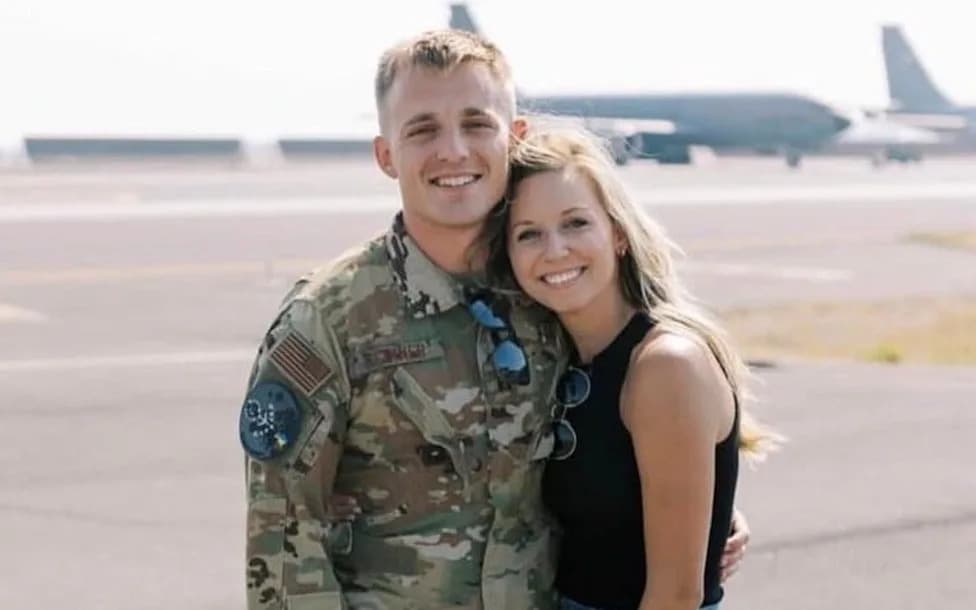
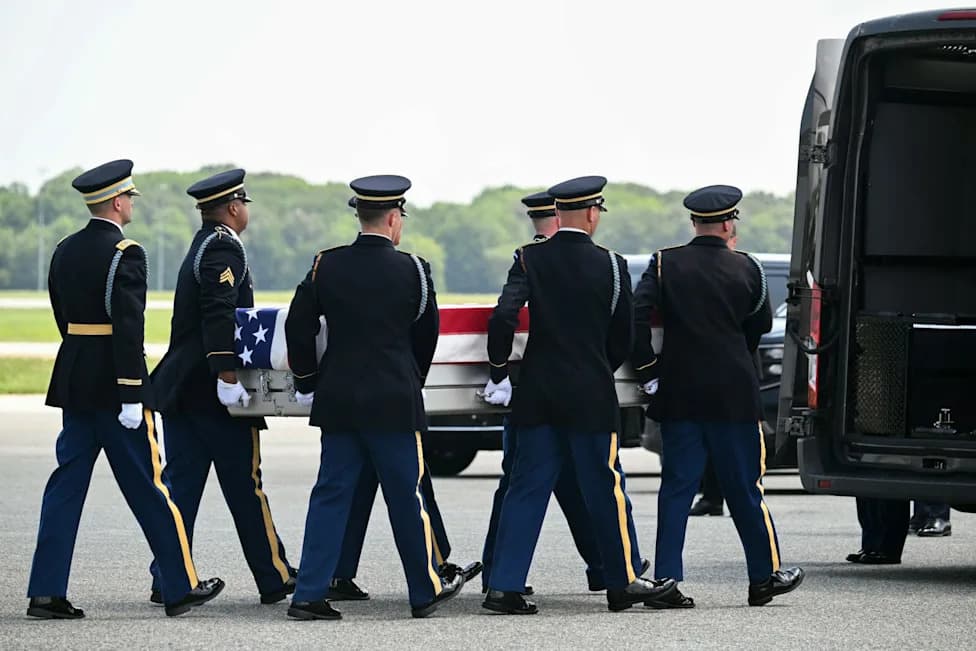
The debate intensified after the death of Major Alex Klinner, an Air Force officer who died in March in an aircraft crash in Iraq while supporting U.S. strikes on Iran. His widow, Libby Klinner, said she was initially told she might not qualify for certain additional benefits because Congress had not formally declared war against Iran. The Air Force later said Klinner's final pay included hazard pay and combat-related tax benefits and acknowledged that inaccurate information had been given to the family.
'My husband lost his life because we're in a war—and then I was told that because it's not technically a war, we lose out on something,' Klinner told the Associated Press. 'It all comes down to principle.'
The Pentagon also said the family received the benefits to which it was entitled and pledged continued support. 'We are committed to providing Major Klinner's wife and children with seamless, long-term support,' a Defense Department official said.
Support and Opposition
Veterans groups such as Iraq and Afghanistan Veterans of America (IAVA) and advocacy organizations like VoteVets have urged protections to ensure records and benefits reflect the reality of service and sacrifice. Jess Finucan of IAVA criticized any effort to downplay wartime impacts, calling deliberate reclassification 'negligent' and unfair to servicemembers and families.
'Families who have lost a servicemember deserve an accurate, permanent record of their sacrifice. Congressman Pat Ryan's companion bill in the House helps ensure that record can't be rewritten,' said VoteVets Senior Advisor Major General Paul Eaton.
Administration officials, including Vice President JD Vance, have at times resisted labeling the campaign as a formal 'war,' arguing that the scale of combat differs from past conflicts. Still, they emphasized a commitment to ensuring families receive the benefits to which they are entitled.
Outlook
The bill has been introduced in the House and must clear committee review before a floor vote. Its prospects are uncertain, but the measure is expected to draw strong attention from veterans' groups and military families advocating for clear rules that protect earned benefits and official recognition.
Help us improve.