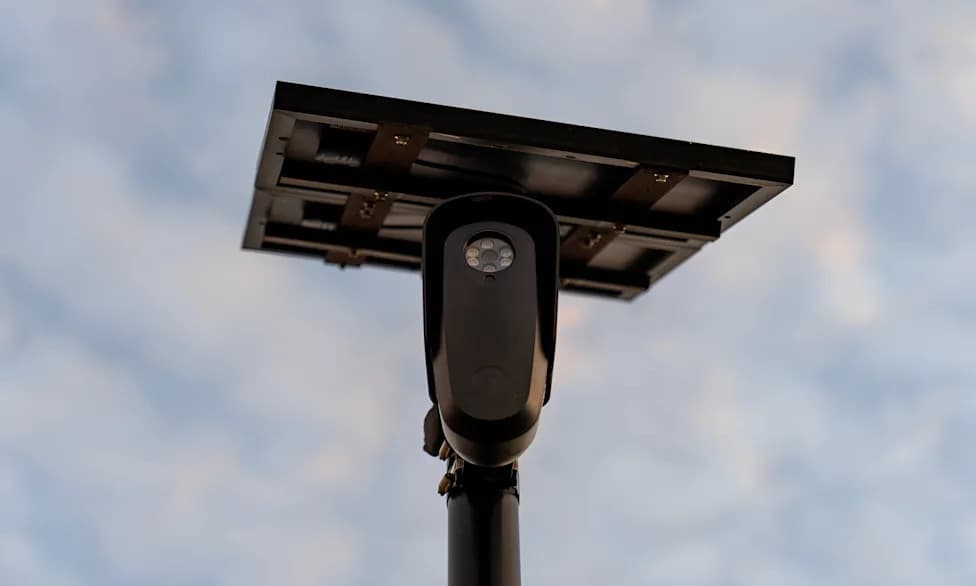
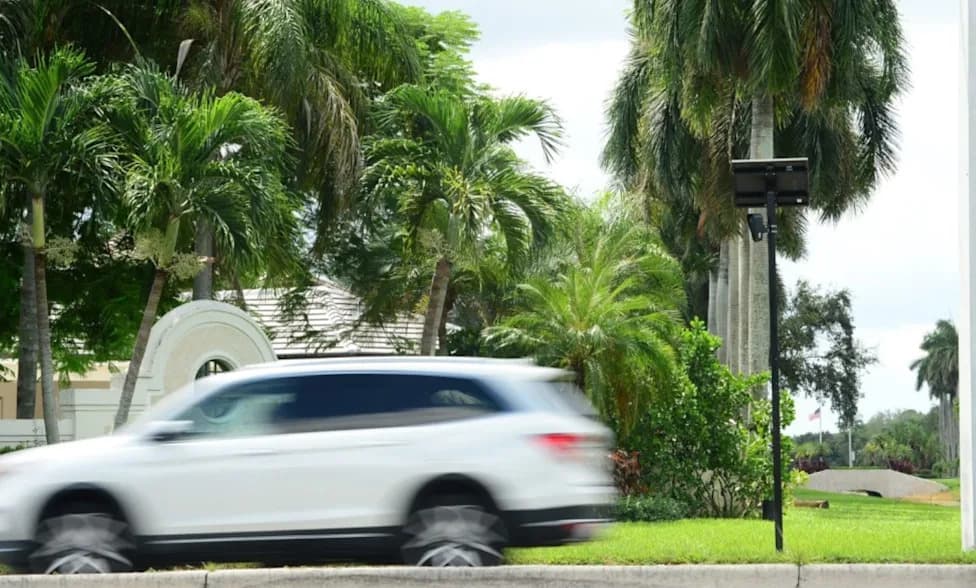
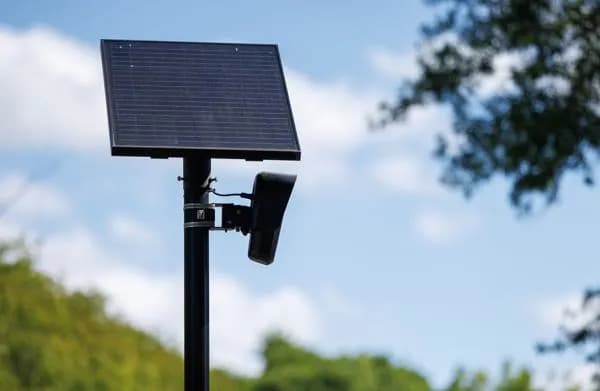
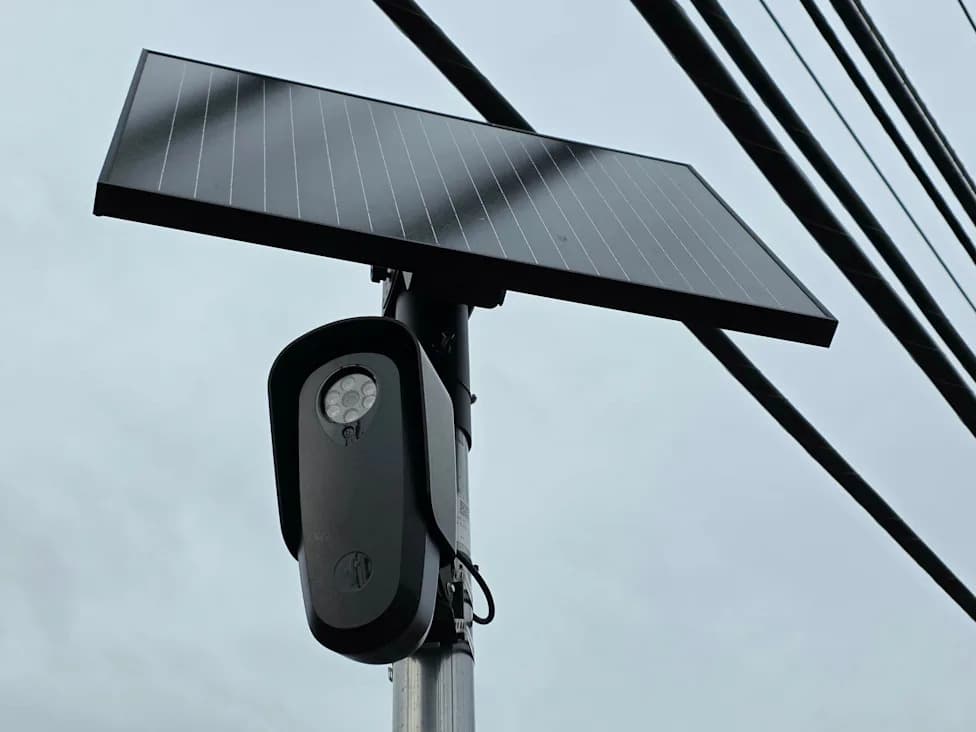
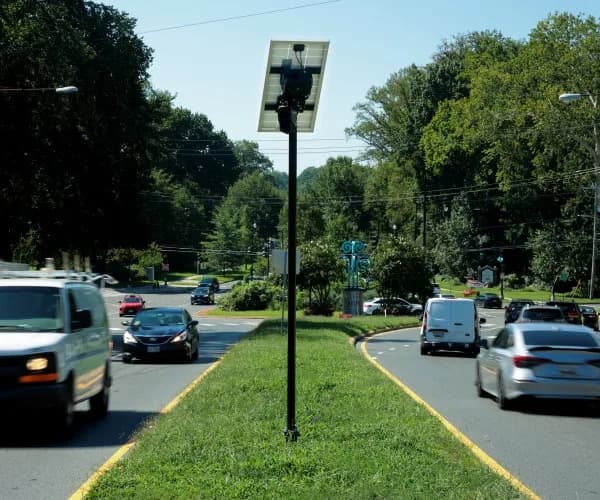
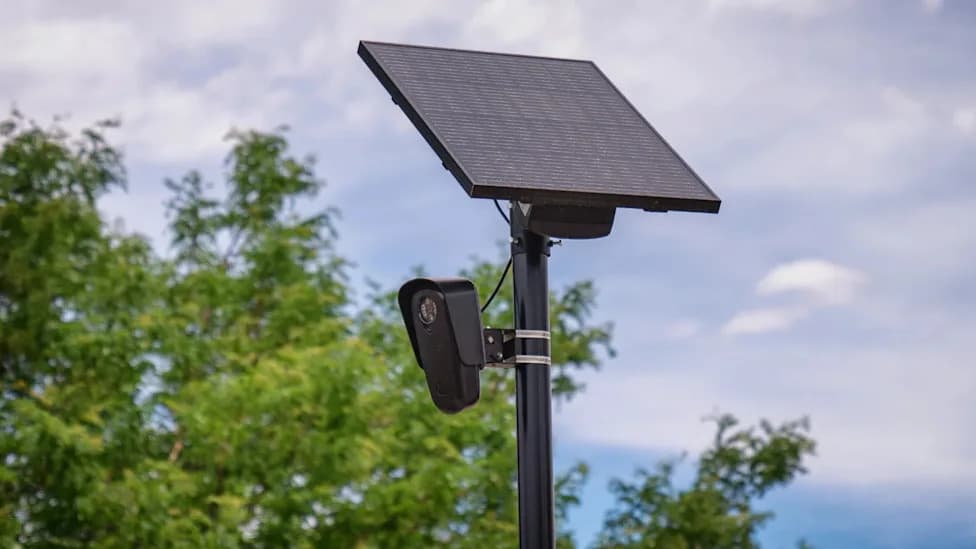
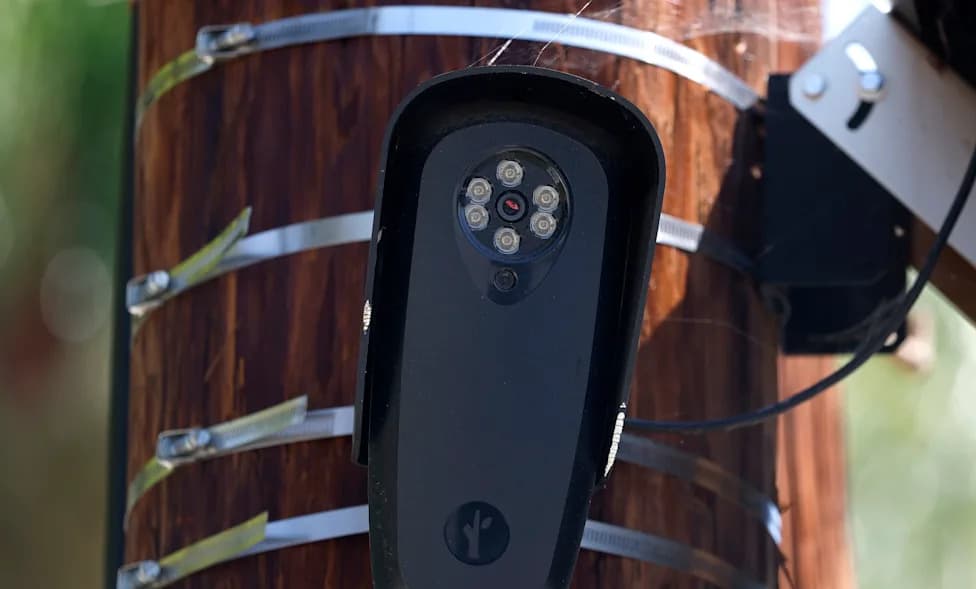
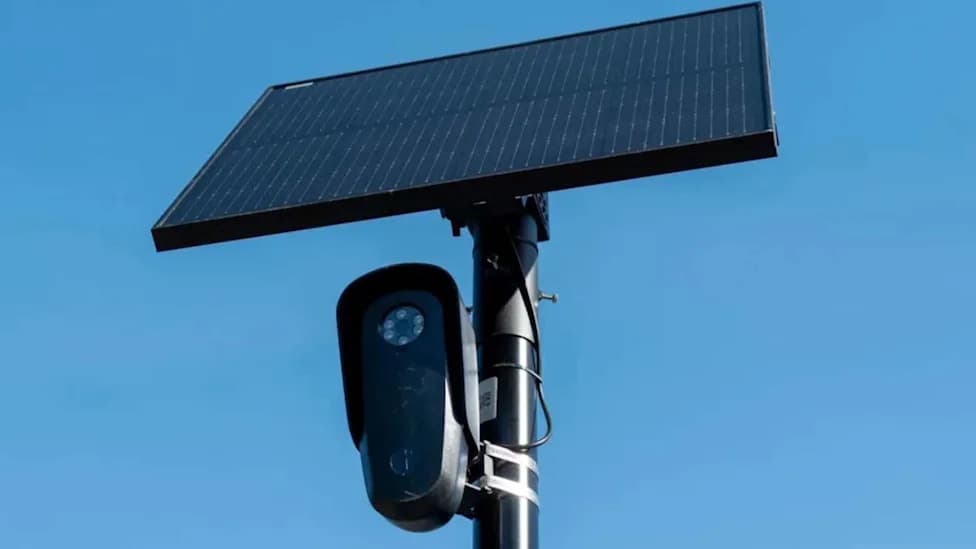
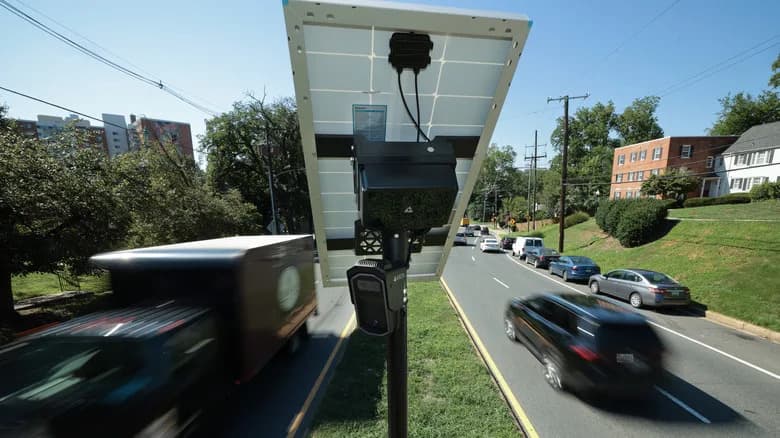
When Flock Safety cameras are vandalized, local governments — and therefore taxpayers — typically cover repair and replacement costs. Contracts such as Fort Bend County’s specify fees (e.g., $500 for a standard pole, $2,000 for an advanced pole, $800 per camera). Flock also offers an optional Camera Protection Plan that covers damage for enrolled agencies, but the company does not disclose the plan’s price publicly. The result: either per-incident fees or an undisclosed recurring premium, both paid from public funds.
Who Pays When Flock Cameras Are Vandalized? Taxpayers Usually Foot the Bill
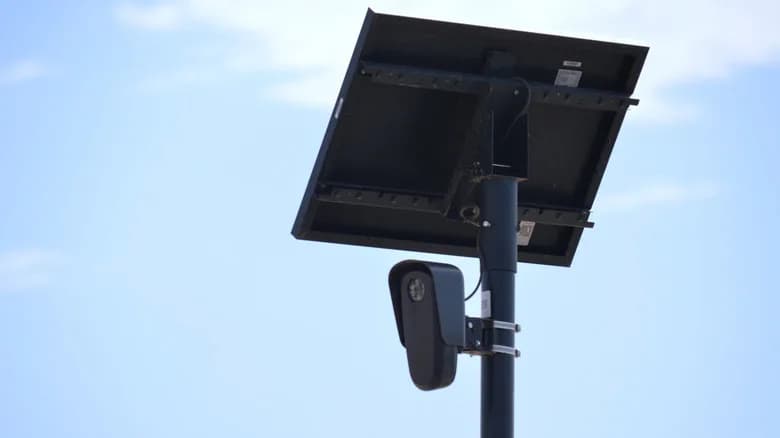
Around the World Photos/Shutterstock
Public backlash against Flock Safety’s license-plate–reading cameras has often turned to vandalism, raising a practical question for the jurisdictions that install the equipment: who pays when a camera is destroyed or disabled? In most cases, the financial burden falls to local government — and ultimately to taxpayers.
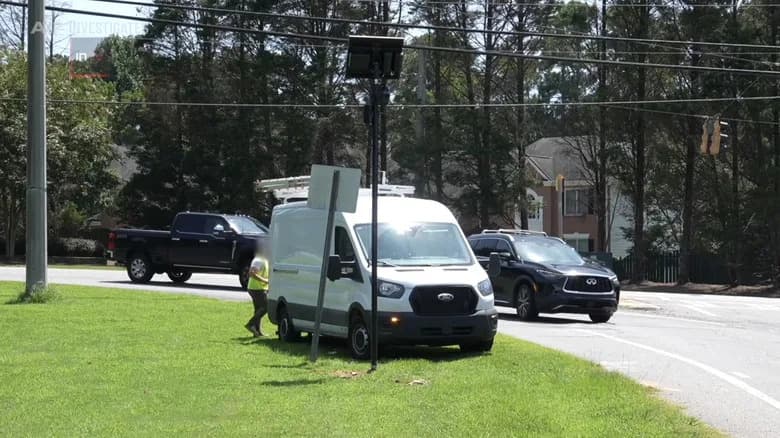
One recent episode in Houston illustrates the problem. In July, residents cut down at least six Flock cameras after several counties renewed contracts with the company through 2027. While the act of protest drew attention to privacy concerns, it also triggered replacement and repair costs that local authorities must cover unless they carry a protection plan.
What The Contract Says
Contracts with Flock often include explicit replacement fees. For example, Fort Bend County’s agreement states:
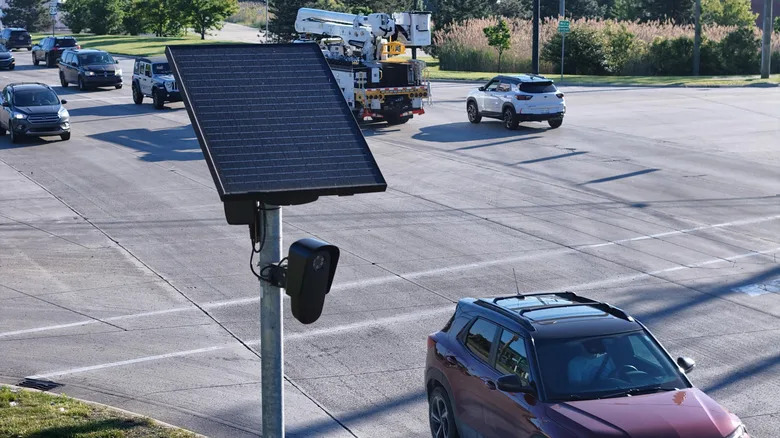
Matthew G Eddy/Shutterstock
"In the event that Flock Hardware is lost, stolen, or damaged, Customer may request a replacement of Flock Hardware at a fee."
The same contract lists replacement charges such as $500 for a standard pole, $2,000 for an advanced pole, and $800 per camera — costs that the county must pay and that are therefore borne by taxpayers.
Flock’s Camera Protection Plan
Flock advertises a Camera Protection Plan on its blog as an "optional annual add-on" that will "repair or replace covered Flock LPR or video cameras at no additional cost when the damage occurs" for enrolled agencies. That phrasing suggests agencies must pay a recurring premium to avoid per-incident replacement fees, but Flock does not publicly disclose the plan’s price.
This arrangement resembles an insurance model, except the insurer is the equipment manufacturer rather than an independent company. Either way, local governments pay: either they cover replacement fees after vandalism, or they pay a recurring protection-plan premium. In both scenarios the cost is ultimately reflected in public budgets and paid by residents.
Why It Matters
Beyond the immediate budgetary impact, these terms raise policy questions about municipal procurement, transparency, and accountability. Citizens and elected officials should know the full lifecycle costs — including replacement fees and protection-plan premiums — before approving surveillance contracts. Clear disclosure would help communities weigh public-safety benefits against financial and civil-liberties trade-offs.
Help us improve.