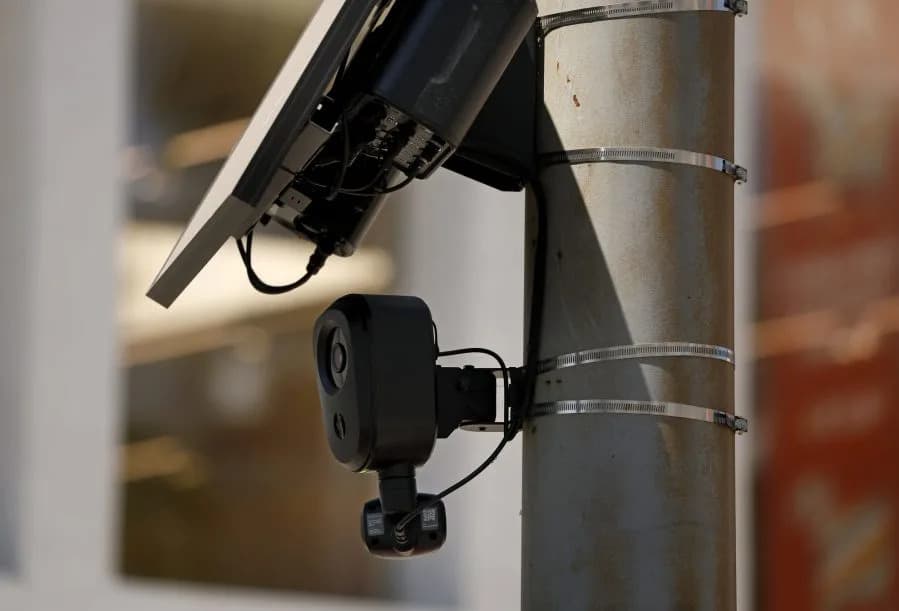
The lawsuit challenges how police access data from Flock Safety cameras after a Wisconsin homeowner says a neighborhood camera captures his vehicle nearly every time he comes and goes. Donavan Haidinger and two citizen groups sued Waukesha County and 11 municipalities, with WILL representing the plaintiffs. They are not asking for a ban but seek a court rule requiring a warrant — or a recognized exception — before law enforcement queries Flock’s location database, relying on the Supreme Court’s Chatrie decision on location-privacy rights.
Wisconsin Homeowner Sues Over Neighborhood Flock Cameras, Seeks Warrant Rule for Police Access
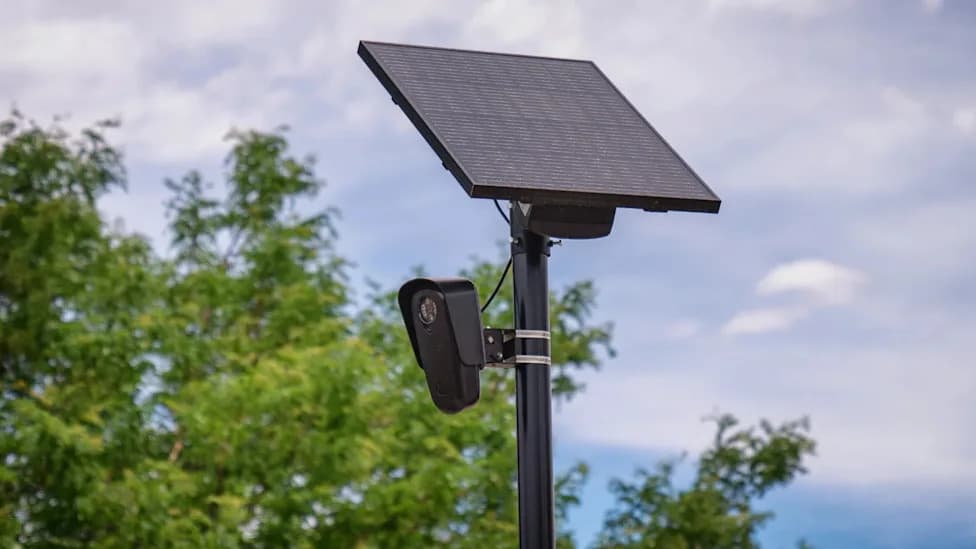
File Photo. Image Credit: Tony Webster, CC BY 2.0 , via Wikimedia Commons.
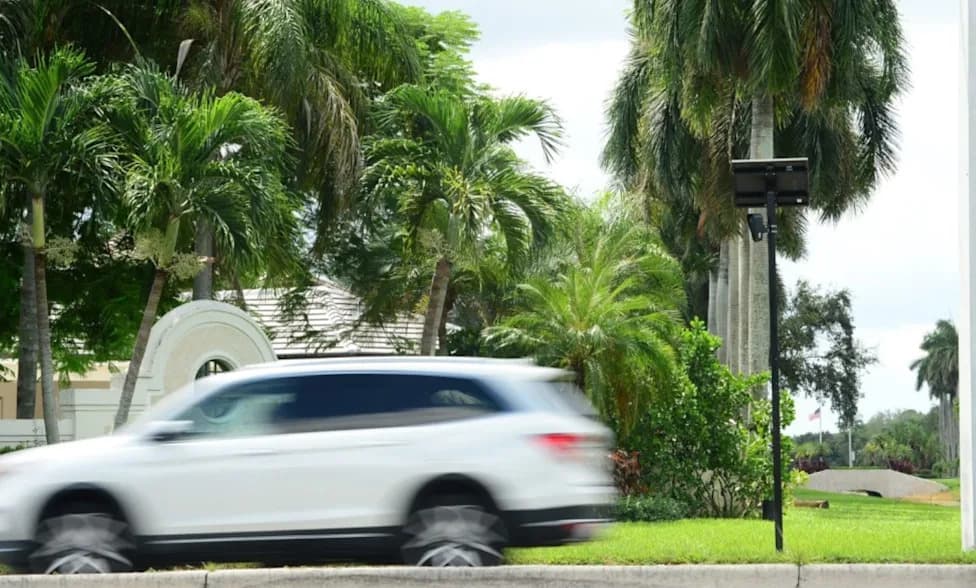
A Wisconsin homeowner says a Flock Safety camera mounted at the entrance to his subdivision photographs his vehicle almost every time he leaves or returns. In a lawsuit filed Sept. 10 in Waukesha County Circuit Court, Donavan Haidinger — joined by two citizen groups — asks the court to limit how law enforcement may search the location data collected by those cameras.
Who sued and what they want
Haidinger joined NoCams Muskego and Citizens Defending Liberty to sue Waukesha County and 11 cities and villages. The Wisconsin Institute for Law & Liberty (WILL) represents the plaintiffs. They are not seeking an outright ban on Flock cameras; instead, the complaint asks the court to require police to obtain a warrant or show a recognized exception to the warrant requirement before querying Flock’s location database.
How Flock cameras work
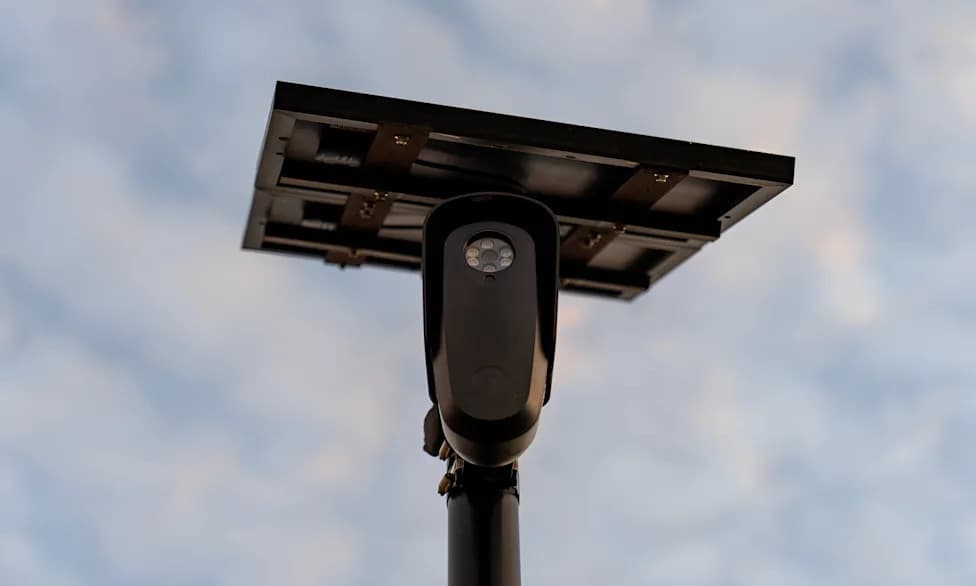
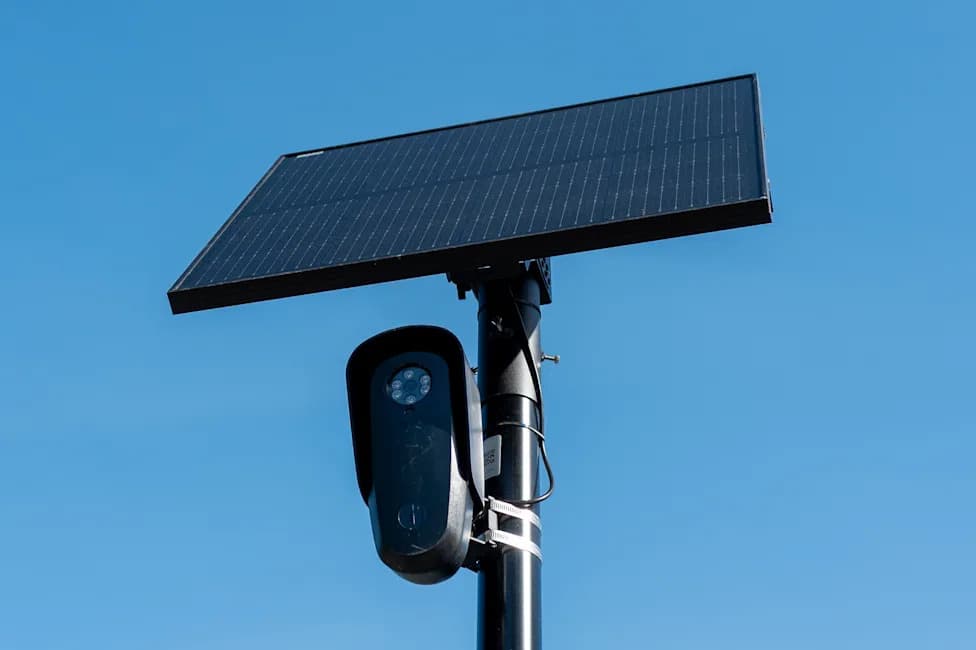
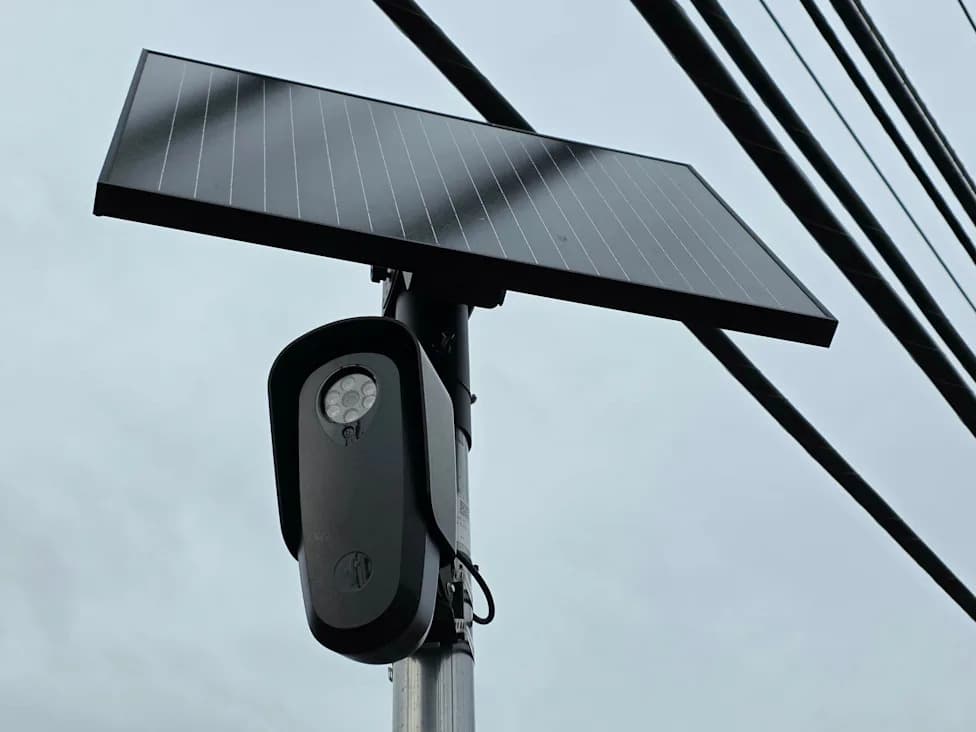
Flock Safety’s automated license-plate readers photograph vehicles that pass camera locations. According to the company’s policy, the system can capture an image of the vehicle and license plate, the plate number and issuing state, vehicle characteristics (such as make and color), and metadata including date, time and camera location. The complaint says more than 120 government-operated Flock cameras are deployed across Waukesha County.
Company controls and plaintiffs’ concerns
Flock Safety says its platform is not an open database: access is limited to approved users, searches are logged automatically, and users must provide an investigation-related reason for queries. The company also says sharing of data between agencies is optional and controlled by each agency. Still, the plaintiffs contend officers in the defendant communities can search Flock’s vehicle-location database without first obtaining what they consider a necessary warrant.

File Photo. Image Credit: Wesley Tingey on Unsplash
Legal basis: Supreme Court’s Chatrie decision
WILL’s argument leans on the U.S. Supreme Court’s June decision in Chatrie v. United States, which held that obtaining a person’s cellphone location history from Google constituted a Fourth Amendment search because individuals have a legitimate expectation of privacy in their phone location data. The Chatrie ruling did not directly address automated license-plate readers or Flock’s database, but the Wisconsin plaintiffs ask the state court to extend the same location-privacy reasoning to searches of vehicle-location data collected by private vendors and shared with law enforcement.
Developments since the suit
Several municipalities have begun scaling back or ending their Flock programs. Oconomowoc voted to end its Flock contracts and covered cameras while winding down the program; Waukesha has voted not to fund its Flock program beyond 2026; and Mukwonago is transitioning away from the system, local reports say. WILL attorney Dan Lennington told TMJ4 that some municipalities have asked to be removed from the lawsuit, but plaintiffs say removing individual local cameras would not necessarily resolve concerns if officers can still access shared data from other jurisdictions.
Why it matters
The case raises broader questions about privacy, policing and third-party location databases: whether location information collected by vehicle cameras deserves the same Fourth Amendment protections recently recognized for cellphone location histories, and what procedural safeguards should govern law-enforcement access to those databases.
Waukesha County and New Berlin declined to comment on pending litigation when contacted by TMJ4.
Help us improve.