The author argues the state pension triple lock should be preserved because it has helped protect pensioner incomes while restraining cost growth. He claims that, without the triple lock, pensions would be rising about 6% faster and costing roughly £4bn more per year. The piece calls for savings from wasteful spending, foreign aid, welfare for non‑citizens, net‑zero projects and public‑sector pension liabilities rather than targeting vulnerable pensioners, and says Reform UK would both protect retirees and pursue reforms to help younger generations.
Don’t Scrap the Triple Lock: Protect Pensioners, Cut Waste Elsewhere
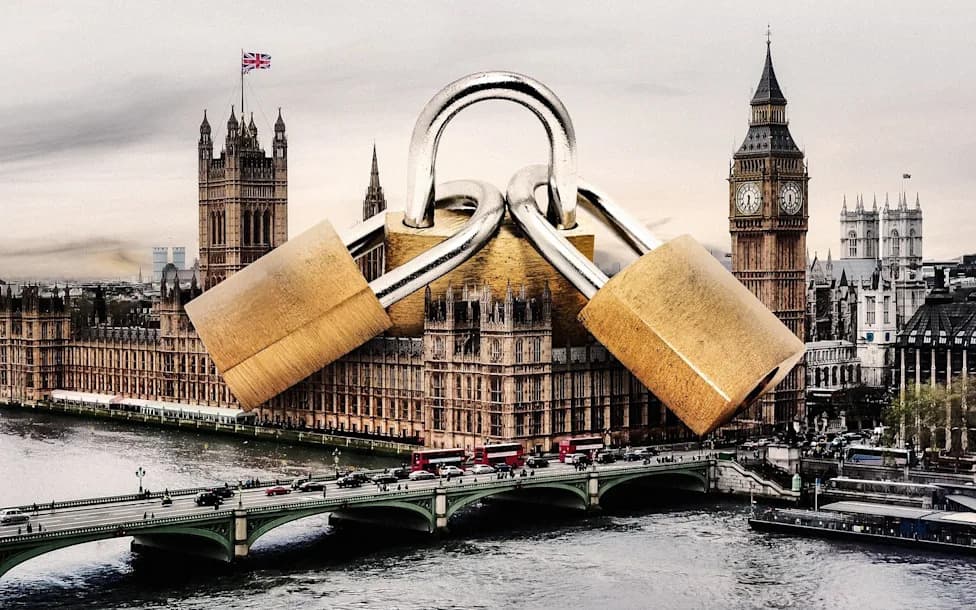
The triple lock means pensioners are better off than they were before
Here's an important and counterintuitive point: the triple lock on the state pension has, overall, helped control costs while protecting pensioners' incomes.
Why The Triple Lock Matters
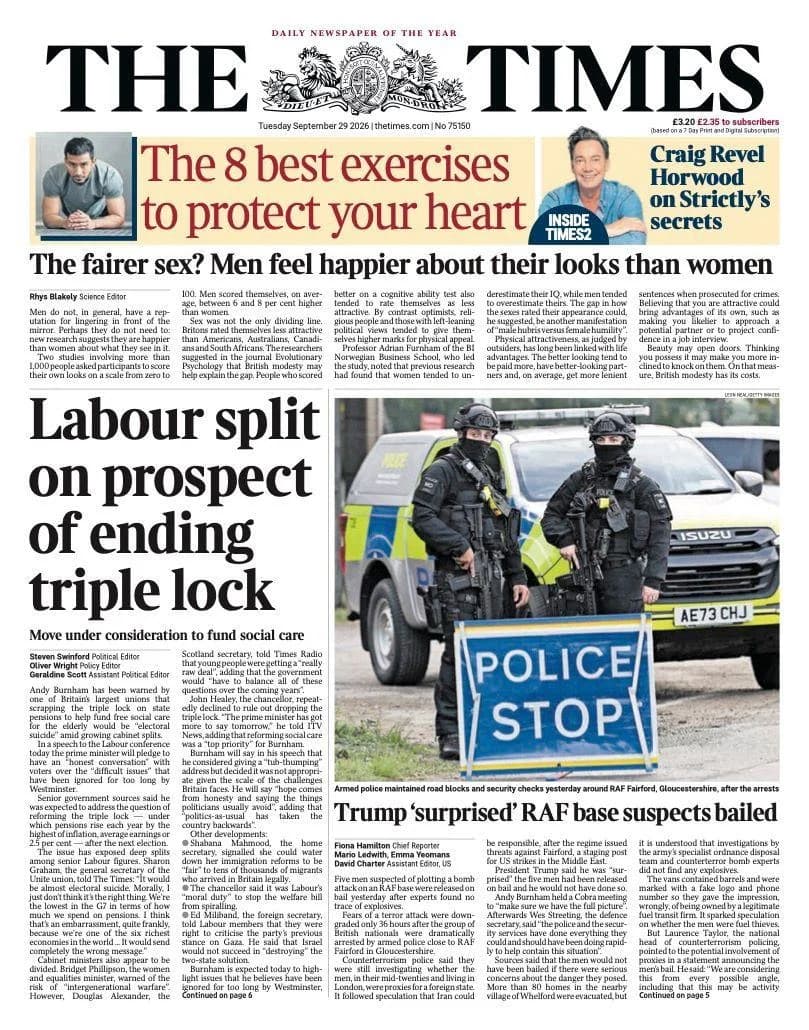
Many in Westminster now argue the country can no longer afford the triple lock. But our calculations suggest the opposite: had the triple lock never been introduced and the previous rule — which increased pensions by the greater of inflation (RPI) or 2.5% — remained in place, pensions would now be rising around 6% faster and would cost the Treasury roughly £4 billion more each year.
The triple lock has delivered a compromise: pensioners are materially better off than before, yet cost growth has been restrained. For that reason, and despite pressure from otherwise thoughtful commentators, Reform will not abandon its commitment to the guarantee.
The Reality For Pensioners
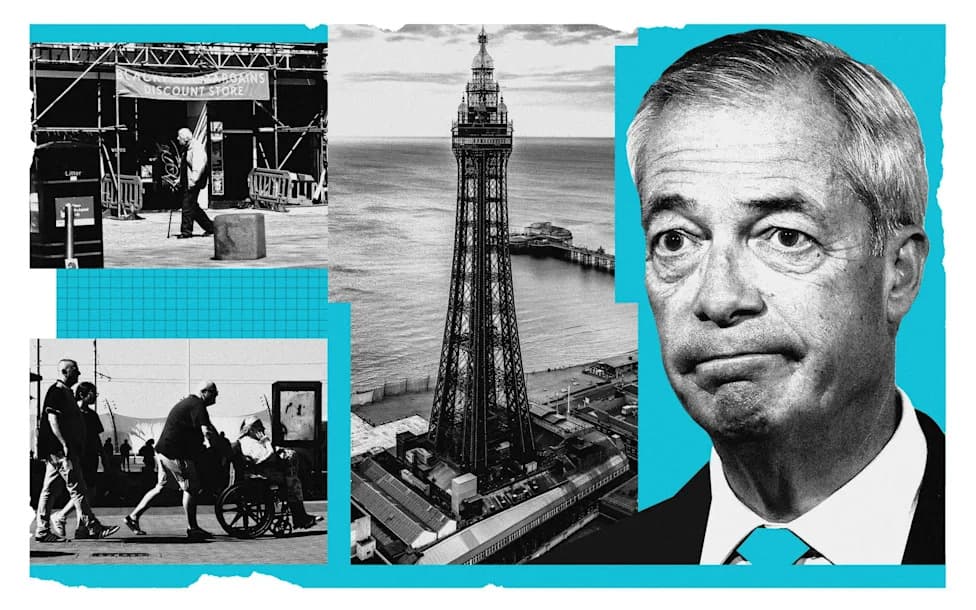
Today a typical state pension is about £241 a week, rising to approximately £250 next year. That income must cover essentials—food, energy bills and often housing costs. With around a million more divorced or single pensioners than two decades ago, financial pressure on many older households has increased. For many retirees the state pension, roughly £1,000 a month, is their only income.
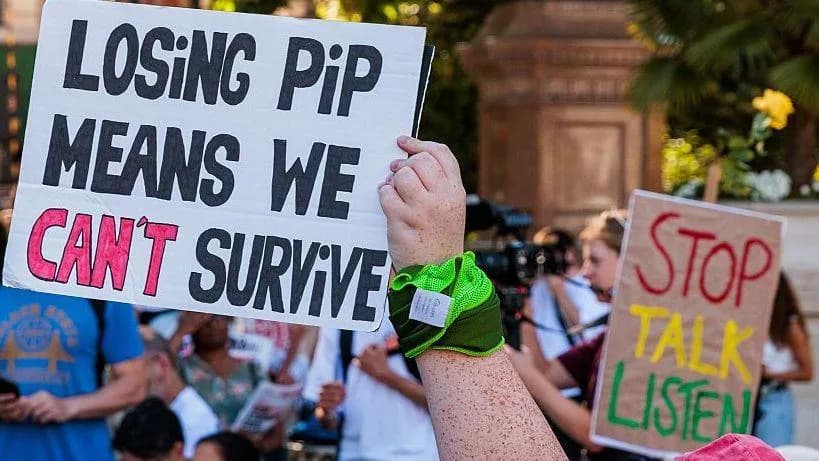
So the question is simple: why are the people who worked and paid contributions for decades often the first asked to sacrifice? Cutting the triple lock would disproportionately affect those on the lowest and most fixed incomes.

Sir William Hague criticised the triple lock as a 'runaway train' - Andrew Crowley
Where Savings Should Come From
Balancing the public finances is about choices. The burden of fiscal repair should fall on waste, poor policy decisions and those who exploit our generosity, not the most vulnerable pensioners. Examples worth scrutinising include:
- Foreign aid, about £7bn a year; for example, an additional £88m was announced for Gaza recently.
- The benefits bill, roughly £184bn now and forecast to rise to about £210bn by 2030. Since 2023, welfare costs for non‑British recipients have reportedly grown twice as fast as the state pension.
- Potential long‑term costs associated with recent migration waves — estimates put lifetime costs at up to £600bn if indefinite leave to remain were granted on a large scale.
- Net‑zero related commitments, including roughly £5.8bn for Great British Energy (excluding nuclear) and about £9.4bn for carbon capture projects.
- Public‑sector defined‑benefit pensions, a major long‑term liability of around £1.4tn — roughly £50,000 per household — which deserves urgent reform.
These examples show that eliminating the triple lock is neither necessary nor the most equitable way to address fiscal pressures, certainly not in the next decade.
A Practical Plan
Reform proposes cutting £80bn of wasteful spending to protect vulnerable pensioners while making the public finances sustainable. Raising the tax‑free personal allowance to £15,000 in our first budget would also ensure the state pension is never taxed.
Protecting pensioners need not exclude policies that help younger generations. To improve prospects for young people we should build more housing in major cities to lower rents, reform higher education to reduce student debt and restore apprenticeships, tighten low‑skilled migration where appropriate, and reform employment regulation to encourage higher-paying jobs.
"It is not a binary choice between supporting pensioners and improving the lot of younger people. We can, and must, do both."
Robert Jenrick MP is Reform UK's Treasury Spokesperson.
Help us improve.