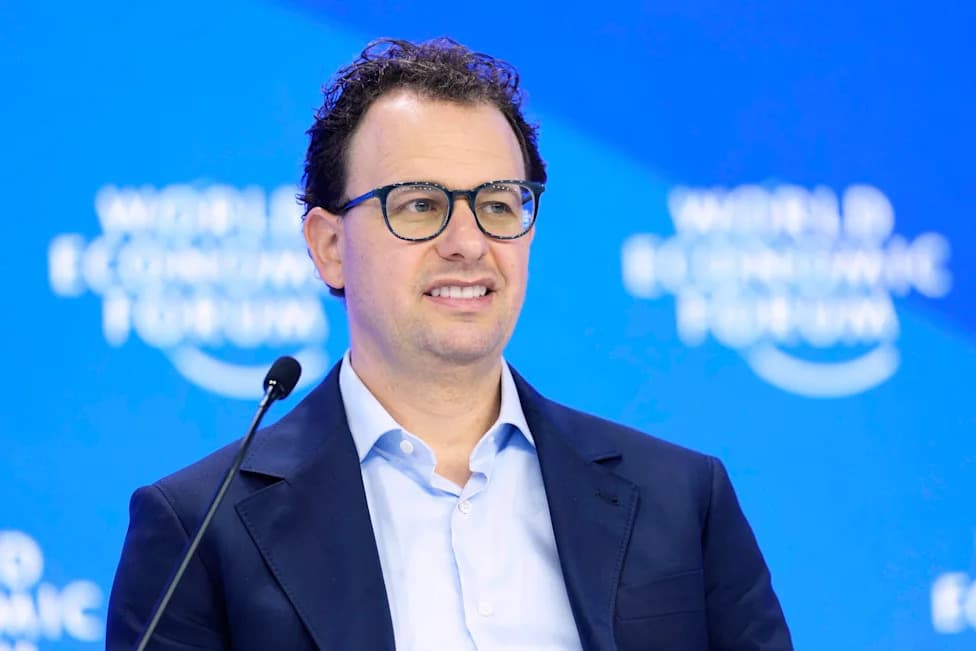
Professor Biao Xiang, a 54-year-old anthropologist and Max Planck director, has become a popular voice among young Chinese for addressing anxiety, job insecurity and social disconnection. His talks—attended by hundreds and widely shared online—use accessible terms like "floating" and "the nearby" to explain how economic and social shifts fuel personal stress. Xiang links these pressures to the property market and mass higher education expansion, and encourages people to seek shared meaning rather than external validation.
Why Young Chinese Are Flocking to Professor Biao Xiang — An Academic Who Talks About Anxiety and Meaning

Young Chinese people are anxious about their future in a rapdily changing country [Getty Images]
Professor Biao Xiang, a 54-year-old anthropologist and director at the Max Planck Institute for Social Anthropology, has become an unlikely cultural figure among younger Chinese — not for pop stardom but for speaking plainly about anxiety, identity and social pressure.
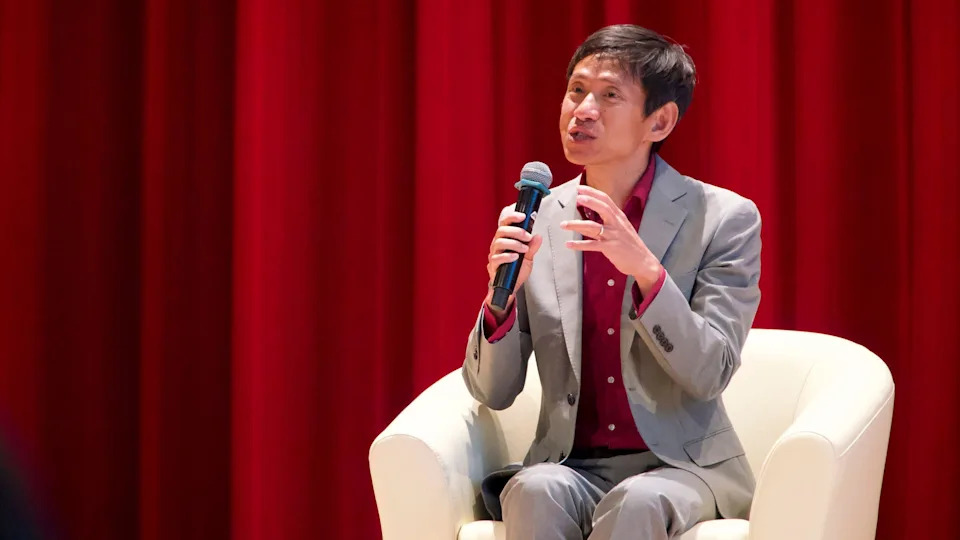
About 500 people heard Biao Xiang speak in Singapore recently [BBC]
From Packed Auditoriums To Online Praise
In a recent talk in Singapore, about 500 mainly Chinese attendees — many from the diaspora — packed an auditorium to hear Xiang speak in Mandarin for more than an hour. Afterward dozens queued to take photos and ask questions. His talks, which have also been held at top Chinese campuses including his alma mater Peking University, are often described by listeners as reassuring and refreshingly candid.

Young people are seeking a new narrative in a highly competitive China, Xiang says [Getty Images]
What He Talks About
Xiang addresses the everyday anxieties weighing on Gen Z in China: uncertain job prospects, pressure to conform to a conventional life path, the rising costs of housing and the heavy emphasis on credentials. He frames these pressures in larger social and economic terms rather than as merely individual failings.

Xiang has become famous among Chinese people for his candid lectures [BBC]
“Everyone knows where the issue is, but they are reluctant to look at it. Sometimes it is too painful to look at, or they don't have a way,” he told the BBC. “But as an academic, it is not terrifying if you can describe it – that's how you analyse and manage it.”
Key Concepts That Resonate
Xiang has coined accessible terms to explain complex trends. He calls people who work relentlessly just to survive “floating,” like hummingbirds beating their wings to stay aloft. He also describes “the nearby” — the immediate social spaces between self and the distant world — arguing that excessive focus on the self and on far-reaching goals leaves the vital middle neglected, deepening disconnection.
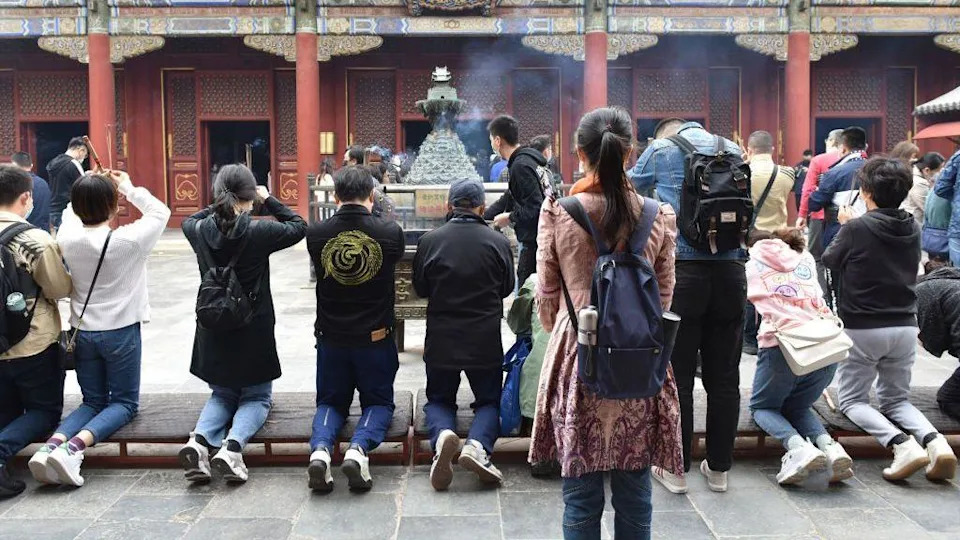
Young people praying at monastery in Beijing for bright job and marriage prospects [Getty Images]
Roots Of The Anxiety
He links current youth anxiety to structural forces: a property market that made homeownership central to social status, and a rapid expansion of higher education that intensified credential competition. The result, Xiang argues, is a near-universal life script — get a degree, secure a steady job, marry and buy a home — which becomes stifling when everyone is racing the same track.
Official youth unemployment reached 21.3% before authorities stopped publishing the monthly data in mid-2023, a figure often cited to illustrate the scale of the challenge. Young professionals also report long hours, toxic workplace cultures and the informal “curse of 35,” when job listings often favor younger candidates.
Why This Matters
In an environment where public criticism can be sensitive, Xiang stands out as a public intellectual willing to name painful social trends while offering frameworks that help listeners make sense of their experience. Many young people say his approach — connecting personal stress to macro-level causes and urging active engagement rather than passive despair — feels validating.
Despite some academic colleagues who caution him to guard his reputation, Xiang welcomes the broader reach of his ideas. “If someone calls me an influencer I'll take it as a compliment. Because the real influence I can have is to make people think for themselves,” he says.
What Listeners Say
- They appreciate his practical, non‑patronising tone and his focus on structural causes of personal stress.
- Many credit him with offering language and concepts that help them understand and respond to anxieties.
- His talks have spawned online discussion and followings that extend beyond traditional academic audiences.
Help us improve.