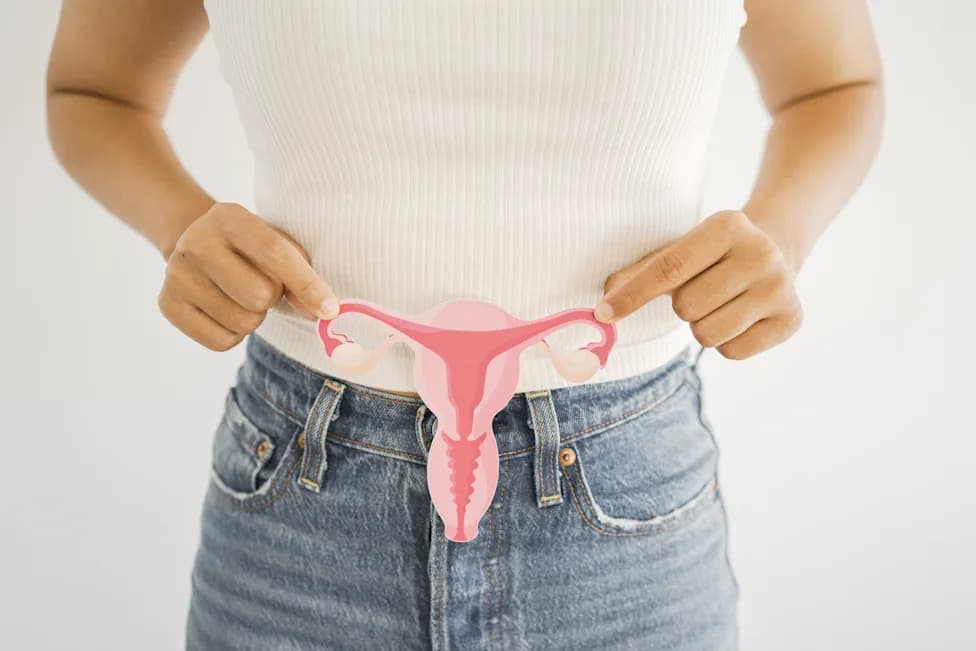
The rete ovarii (RO), a small network of tubules long considered vestigial, has been reexamined in a Duke University study in mice. Researchers identified three RO regions (IOR, EOR, CR), found that the EOR produces proteins including IGFBP2 and can propel fluid toward the ovary, and observed gene activity that may affect hormone receptors. Authors propose the RO could support ovarian homeostasis and fertility, but human relevance requires further study.
Rete Ovarii: A Long-Ignored Structure That May Influence Ovarian Health and Fertility

Ekaterina Demidova / Getty Images
The rete ovarii (RO) is a small, horseshoe-shaped network of tubules and cords attached to the ovary that was first described more than 150 years ago but long dismissed as a vestigial structure. New research from Duke University using advanced imaging and molecular analysis in mice suggests the RO may have active roles in ovarian maintenance and fertility.
What the Study Found
Researchers identified three distinct RO regions in live mice and dissected tissue: the intraovarian rete (IOR) located inside the ovary, the extraovarian rete (EOR) forming the external network of tubules, and the connecting rete (CR) that links the IOR and EOR. The EOR was found to contain and produce proteins such as insulin-like growth factor-binding protein 2 (IGFBP2). When fluorescent dye was introduced into the EOR, it flowed toward the ovary, indicating the structure can propel fluid.
Additional experiments suggest the RO may activate genes that alter how hormone receptors operate, providing a possible molecular connection to ovarian biology. Based on cell biology, transcriptome, and proteome data, the authors propose the RO may act like an antenna for the ovary, contributing to ovarian homeostasis and fertility.
Why This Could Be Important
An analogous structure in males, the rete testis, aids sperm transport, providing precedent that such networks can be functional. If the RO influences protein signaling, local fluid dynamics, or hormone receptor activity, it could be an overlooked contributor to ovarian health, follicle support, or reproductive function.
The direct proximity of the RO to the ovary suggests that it is functionally linked to the ovary and may play an important role in ovary development and homeostasis. Based on the cell biology, transcriptome and proteome of the RO, I hypothesise that the RO acts as an antenna for the ovary and plays an important role in ovary homeostasis and fertility.
Limitations And Next Steps
These findings come from mouse experiments. Although the rete ovarii exists in many mammals and reproductive development is similar across species, further research is required to confirm whether the same roles apply in humans and to define clinical implications. Researchers call for additional imaging, functional studies, and molecular work to test the RO's roles in ovarian maintenance and fertility.
Lead author Dilara Anbarci notes that much of female anatomy remains poorly understood and hopes this work will spur renewed investigation into ovarian structure and function.
Help us improve.