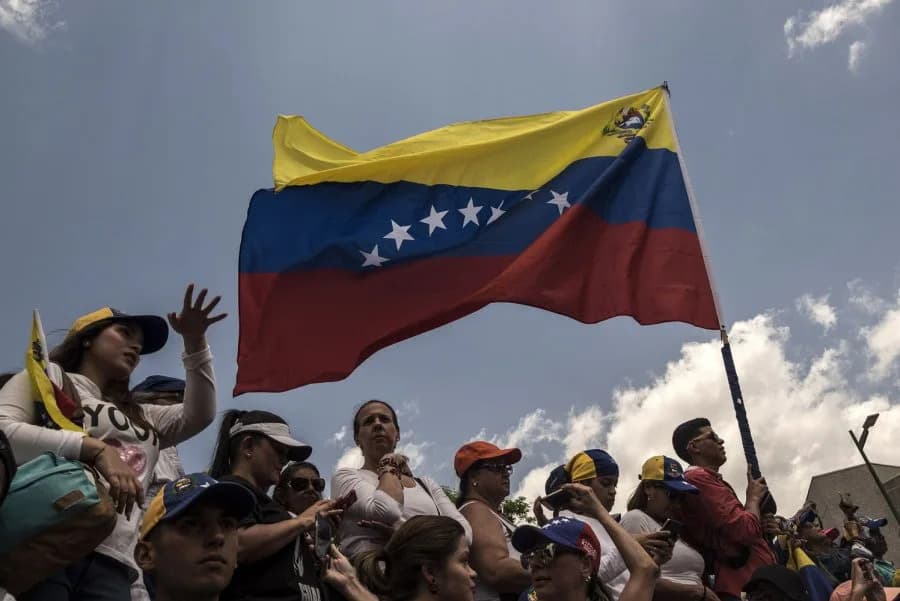
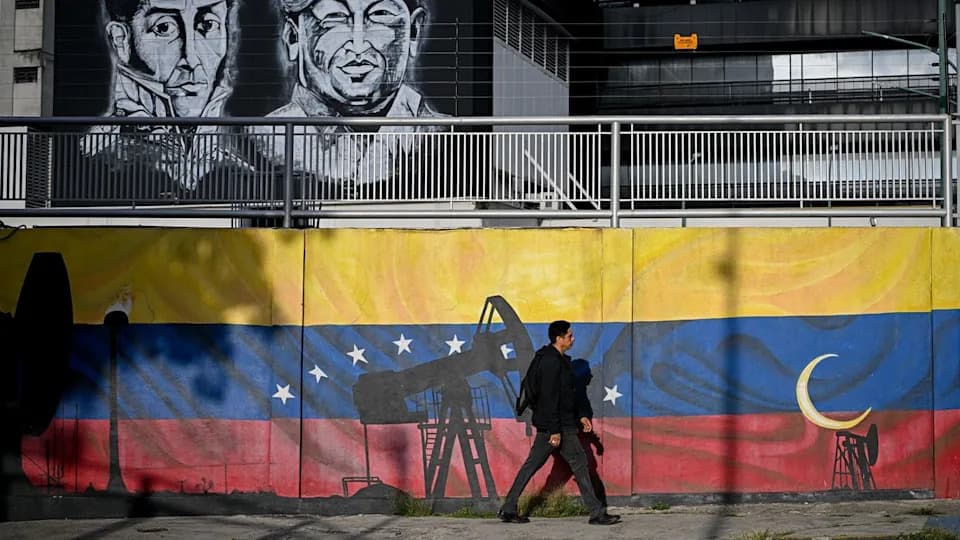
In Mene Grande, natural crude seepages and the scent of gas underscore a legacy of oil wealth amid deep decline. A declared U.S. 20% stake in Venezuela’s reserves has renewed hopes of investment, yet residents face chronic blackouts, decaying infrastructure and mass emigration. Newly painted pump jacks hint at possible revival, but locals remain cautious about whether promised deals will deliver real jobs and services.
Venezuela’s Oil Heartland Looks to U.S. Deals as Hope Battles Harsh Reality
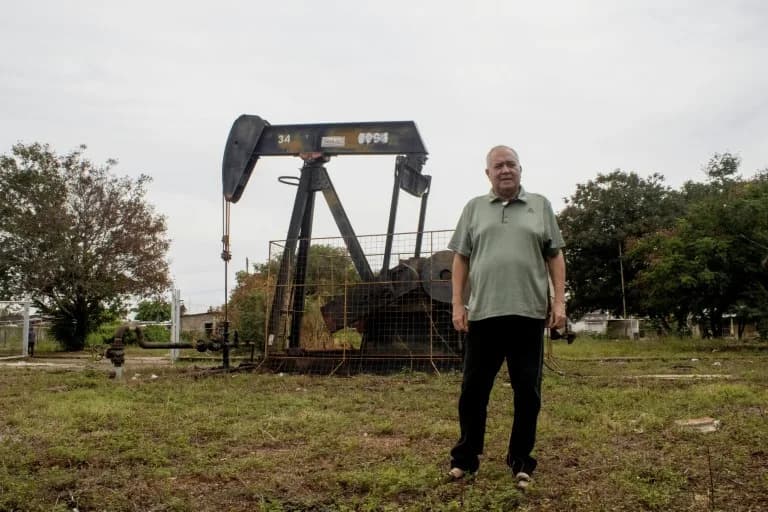
Some of the aging oil infrastructure in Venezuela would be better fit for a museum than a working oil field (Margioni BERMÚDEZ)
In Mene Grande, the birthplace of Venezuela’s oil industry, thick black crude still oozes from fissures in the earth and the air is heavy with the smell of gas. The scene is a stark reminder of the town’s once-mighty prosperity even as daily life shows the deep toll of decades of crisis.
U.S. Stake Rekindles Expectations
The United States has claimed a 20 percent stake in Venezuela’s vast oil reserves — including many fields around Mene Grande — a development that has reignited hopes that fresh investment could revive local economies battered by emigration and decay. U.S. President Donald Trump described the move as the "greatest deal ever made," saying Venezuelan crude could bolster U.S. reserves and energy security.
Seepages, Old Wells and New Promises
Finding oil here remains uncannily simple: crude naturally seeps from hillsides and pools, and bubbling gas rises from shallow depressions. Retired military officer Hector Valero Balestrini, 67, gestures to a slope where "instead of water, oil comes out." Nearby, the Zumaque I well — in production since 1914 — still flows but now yields only about 20 barrels a day, a reminder of how long-run decline has thinned output.
Dreams Versus Reality
That potential contrasts sharply with the everyday hardships facing residents. Years of economic collapse, chronic underinvestment and political turmoil have left neighborhoods hollowed out by mass emigration. Roughly 27,000 people remain in Mene Grande, coping with frequent blackouts, failing infrastructure and public services in decline.
"We are rich because of all this, and rich in many minerals too, but we are also poor," said 67-year-old retiree Eladio Ramon Devidez, standing beside a home abandoned by a family that left years ago.
After sunset, entire neighborhoods are often plunged into stifling darkness for many hours. Residents report blackouts lasting up to 17 hours and rely on portable lamps, rechargeable lights and phone flashlights while oppressive heat lingers through the night.
Signs of Renewal — And Skepticism
Along roadside stretches, newly painted pump jacks stand in bright contrast to potholed roads, broken sewage lines and overgrown lots. For some, these signs prompt cautious hope: locals expect jobs and investment could restore services and livelihoods.
But many residents remain skeptical. In nearby Bachaquero, retired teacher Jose Gregorio Martinez remembers the oil company–built housing and bustling family gatherings that are now a thing of the past. Small business owners such as Xiosbelis Saavedra say the timing may be too late: three of her siblings have already emigrated and rising prices, unreliable utilities and insecurity make daily life difficult.
As investors eye Venezuela’s resources, the central question is whether promised deals and capital will translate into sustained, local recovery — or remain distant hopes against a backdrop of long-standing decline.
mbj/pgf/arb/jgc
Help us improve.