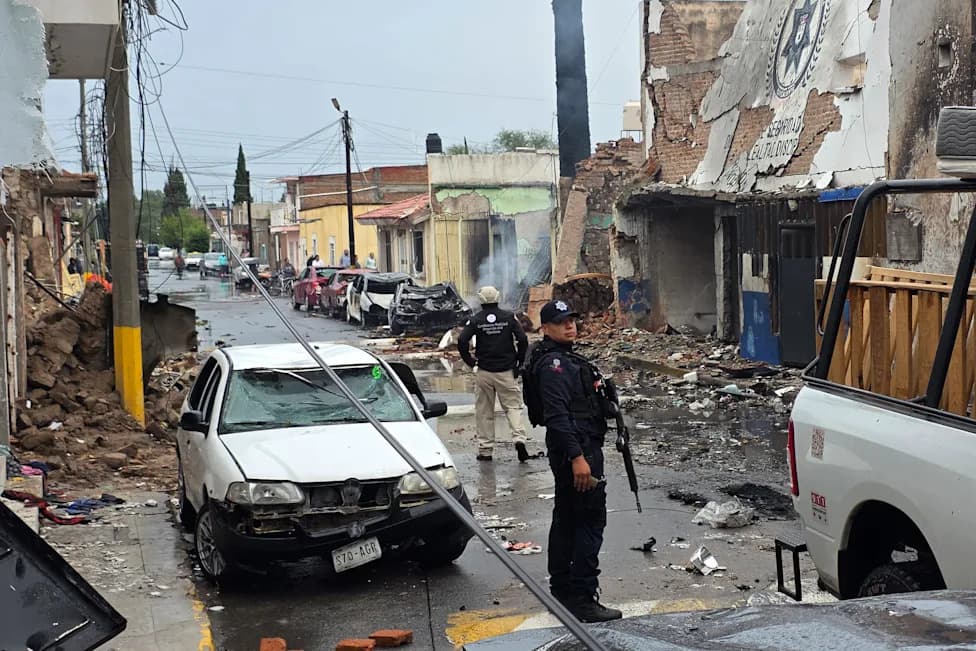
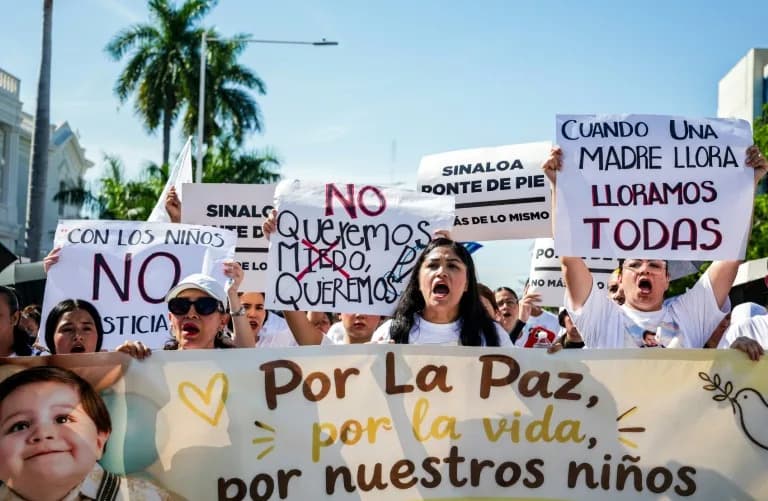
INEGI's new figures show more than 510,000 households — roughly 1.6 million people — were internally displaced by violence in Mexico between October 2020 and October 2025. The data, the first broad official snapshot, finds the highest displacement rates in Zacatecas, Morelos, Michoacán, Querétaro and Colima. Analysts call the release a breakthrough for humanitarian planning, though the counts exclude displacement before 2020 and people who fled to the U.S.
INEGI: Violence Forced Members of Over 510,000 Mexican Households to Relocate (2020–2025)
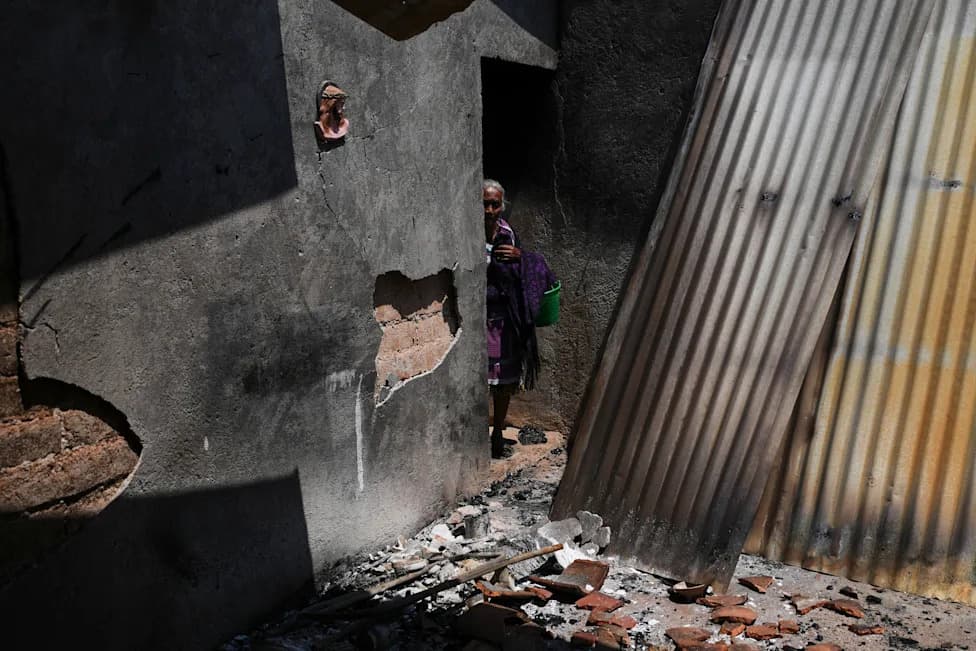
FILE - Maria Anastasia Cabrera walks through the ruins of her home after armed attacks by local criminal groups forced dozens of residents to flee, in Tula, Mexico, May 15, 2026. (AP Photo/Marco Ugarte, File)
New data from Mexico's National Institute of Statistics and Geography (INEGI) reveal that violence forced people from more than 510,000 households to move within Mexico between October 2020 and October 2025, affecting roughly 1.6 million people. The figures provide the first nationwide official snapshot of internal displacement tied to criminal violence.
The INEGI survey — released this week by the autonomous statistics agency — captures a broad picture of an often-hidden crisis. Displacement can involve a single person or an entire family leaving their home for another part of the country. The report shows that the phenomenon touches every region, with the highest rates recorded in Zacatecas, Morelos, Michoacán, Querétaro and Colima.
Tracking internal displacement is challenging: many people flee without registering, move in secrecy, or plan to return if conditions improve. Other agencies and civil-society groups have compiled partial tallies, but INEGI's data offer the first more comprehensive, nationwide estimate.
What the Numbers Mean
INEGI reported displacement in 510,000 households between October 2020 and October 2025 and estimated that some 1.6 million people were affected — a figure that includes both those who left and household members left behind who face the consequences of the violence. The survey does not include people displaced before 2020, nor does it count those who left Mexico for the United States, so the true scope of displacement is likely higher.
“For years, civil society and victims of forced displacement have been sounding the alarm on the issue and the federal government has not paid attention,” said David Mora, Mexico analyst at the International Crisis Group. “This independent INEGI data is a major breakthrough; putting a number to the problem is the first step toward a humanitarian response.”
Analysts and humanitarian groups say displaced households often have few resources and must rebuild their lives from scratch. The release of INEGI's figures could help authorities and aid organizations plan longer-term assistance, including housing, psychosocial support and economic recovery programs.
Political Reaction and Limitations
President Claudia Sheinbaum has addressed individual cases of families uprooted by outbreaks of cartel violence but has not framed forced displacement as a nationwide crisis. At a recent morning briefing she questioned INEGI's numbers and requested additional details about the survey methodology and questionnaire.
INEGI's numbers focus on internal displacement during the five-year period and do not cover migration to the United States or displacement that occurred prior to October 2020. Mexico has seen waves of cartel-related violence across many regions since the escalation of the drug war in the mid-2000s.
Moving forward, experts say the next steps should include transparent publication of INEGI's methodology, coordinated data collection across federal and state agencies, and concrete policies to support displaced households and prevent further forced movement.
Help us improve.