HHS Secretary Robert F. Kennedy Jr. launched a Request For Information under the MAHA initiative to gather studies, exposure data and personal reports about possible health effects from radiofrequency and electromagnetic emissions (cell phones, Wi‑Fi, 5G). Major health authorities, including the World Health Organization and the U.S. National Cancer Institute, have not found causal links between routine wireless exposures and disease, and long‑term studies such as COSMOS report no increased brain tumour risk. The RFI seeks input on research gaps, real‑world exposure measurement and whether vulnerable populations warrant separate study. HHS will review submissions to decide if further research or policy action is needed.
HHS Opens Inquiry Into Wireless Health Risks: RFK Jr. Seeks Public and Scientific Input on Cell Phones, Wi‑Fi and 5G
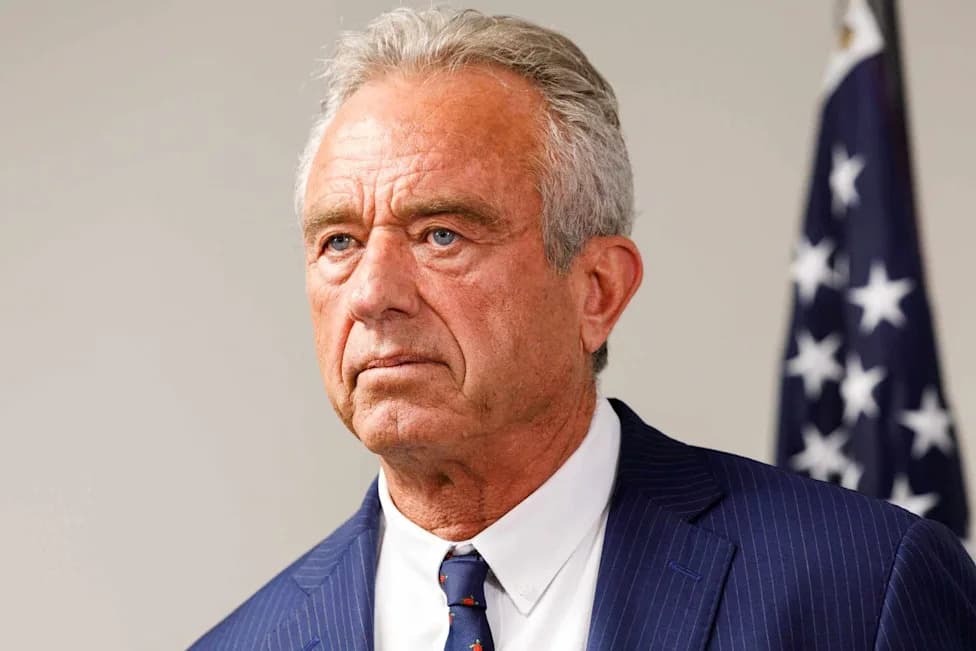
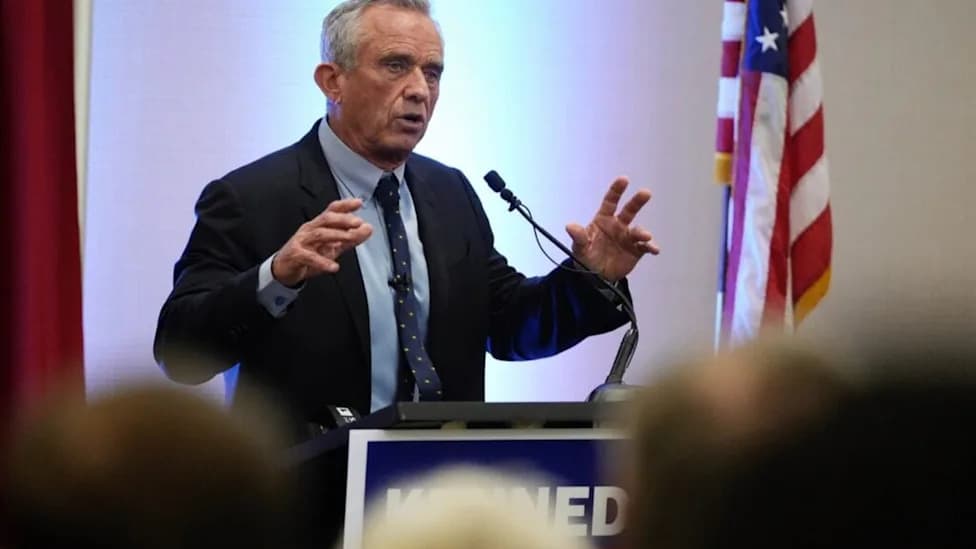
Robert F. Kennedy JrCredit: Kristian Carreon/ The San Diego Union-Tribune via Getty
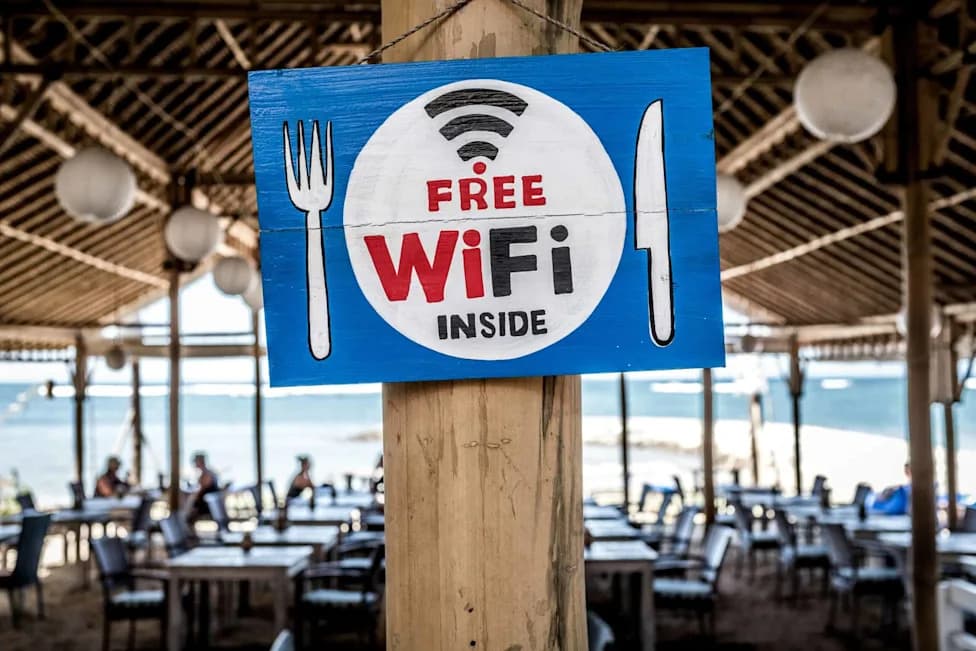
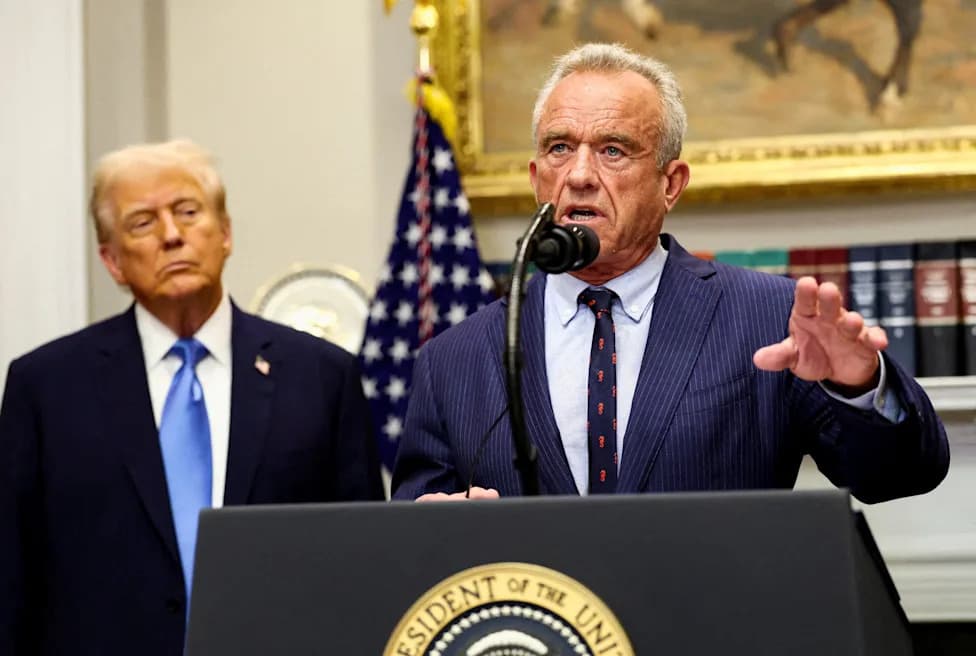
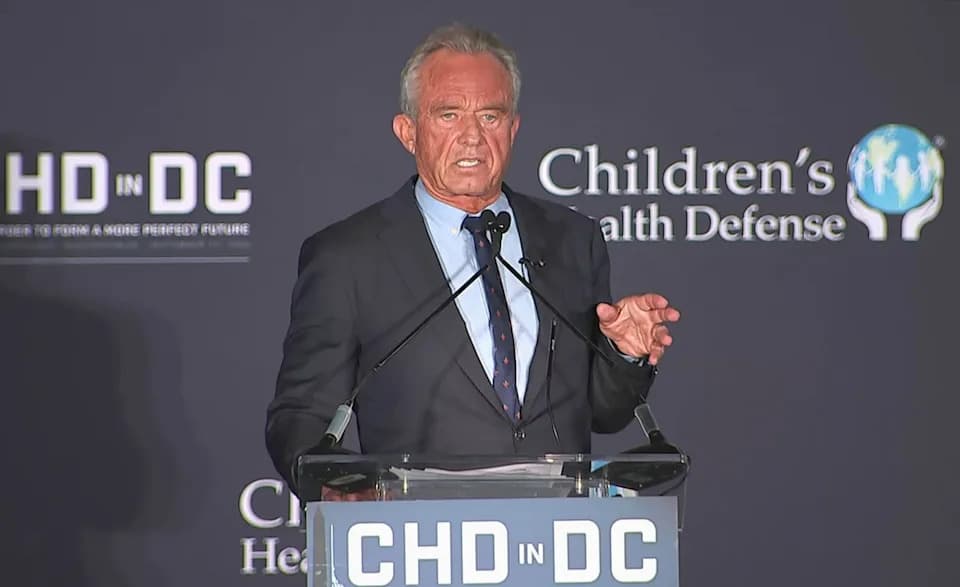
Health and Human Services Secretary Robert F. Kennedy Jr. announced on Sept. 21 that HHS has issued a formal Request For Information (RFI) under the "Make America Healthy Again" (MAHA) initiative to collect data and observations about potential health effects from radiofrequency (RF) and electromagnetic field (EMF) emissions associated with cell phones, Wi‑Fi, 5G and other wireless technologies.
What the RFI Asks For
The RFI invites researchers, clinicians, industry experts and members of the public to submit peer‑reviewed research, government reports, exposure data, technical analyses and clinical observations. Officials say they want information about:
- What existing evidence shows about RF/EMF exposure and health outcomes;
- Gaps in current research and methods for measuring real‑world exposures;
- Whether cumulative exposure over time requires specific study methods;
- Whether certain populations — including children, pregnant people, workers and people with implanted medical devices — should be studied separately.
Scientific Context
Public health agencies and major studies to date have not established a causal link between routine wireless exposures and adverse health outcomes. The World Health Organization has stated that "no adverse health effect has been causally linked with exposure to wireless technologies." The U.S. National Cancer Institute similarly reports that current evidence does not show that cellphone use causes brain or other cancers in humans.
COSMOS Cohort: Longitudinal international research coordinated by Imperial College London — the COSMOS study — found no evidence of an increased risk of brain tumours associated with mobile phone use, even beyond 15 years of follow‑up.
Controversies and Context Around MAHA
Kennedy framed the RFI as part of MAHA's mission to "investigate the relationship between electromagnetic radiation and health, identify gaps in our knowledge, and make sure federal policy keeps pace with rapidly changing technology." The MAHA initiative has sparked controversy: Reuters reported earlier that materials tied to MAHA prompted the U.S. Food and Drug Administration to remove webpages stating that cellphones were not dangerous. Kennedy and MAHA have also advanced contested claims in other areas, including suggested links between prenatal acetaminophen use and autism — a claim not supported by high‑quality studies such as a 2024 Drexel University/Karolinska Institute analysis.
Why This Matters
Supporters say the RFI is a transparent way to identify research gaps and ensure policy keeps pace with new hardware and usage patterns — from wearables and smart meters to emerging 6G systems. Critics warn that federal resources should be guided by the balance of existing scientific evidence and high‑quality studies.
Next Steps
HHS will review submissions to determine whether further research, monitoring or policy changes are warranted. The agency has encouraged clinicians and researchers to report observed clinical patterns and provide technical data, and has urged members of the public who believe they or a family member experienced an adverse effect after RF/EMF exposure to participate in the RFI process.
Bottom line: The RFI opens a public and scientific comment period on wireless exposures. While major health organizations and long‑term studies have found no established causal harms from standard wireless use, HHS will use this process to identify evidence gaps and consider whether additional study or guidance is needed.
Help us improve.