Multiple eruptions across Indonesia in late August and September 2026 led to social media claims that the Alaska-based HAARP research facility was to blame. Indonesian officials and scientific experts told AFP there is no evidence or physical mechanism linking HAARP to volcanic activity. Authorities noted that Indonesia’s 127 active volcanoes can erupt independently, and warned that conspiracy theories can undermine trust in disaster response.
Experts Debunk HAARP Conspiracy After Multiple Indonesian Volcano Eruptions

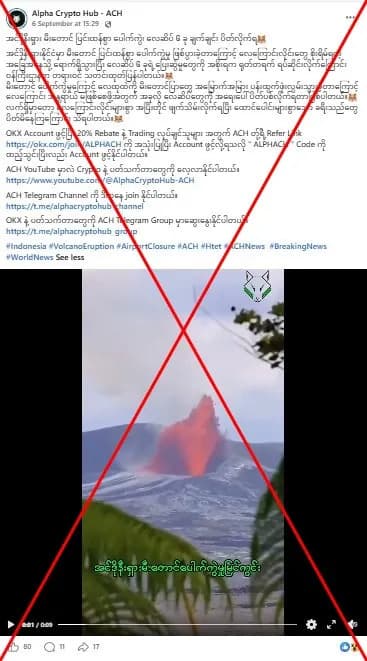
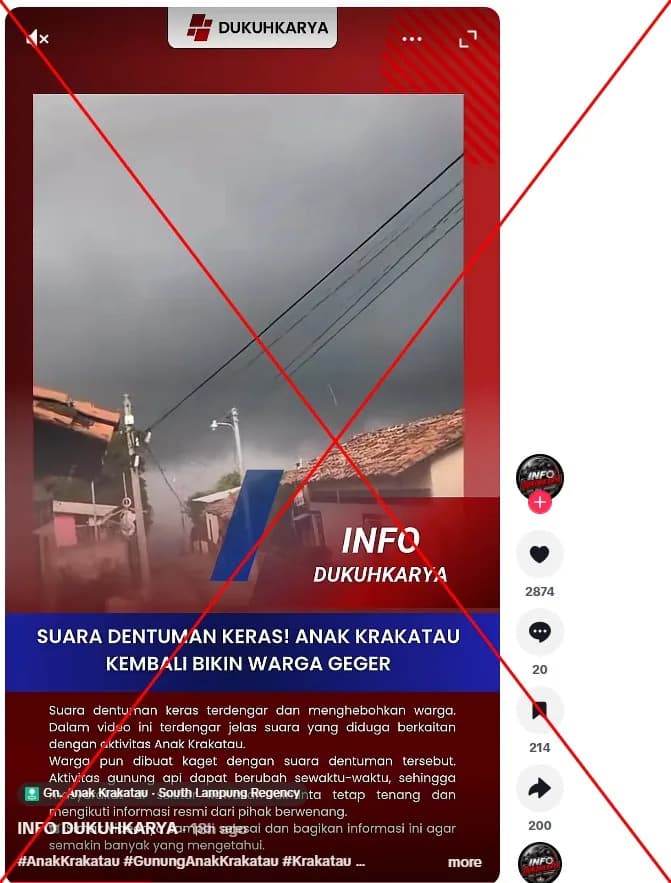
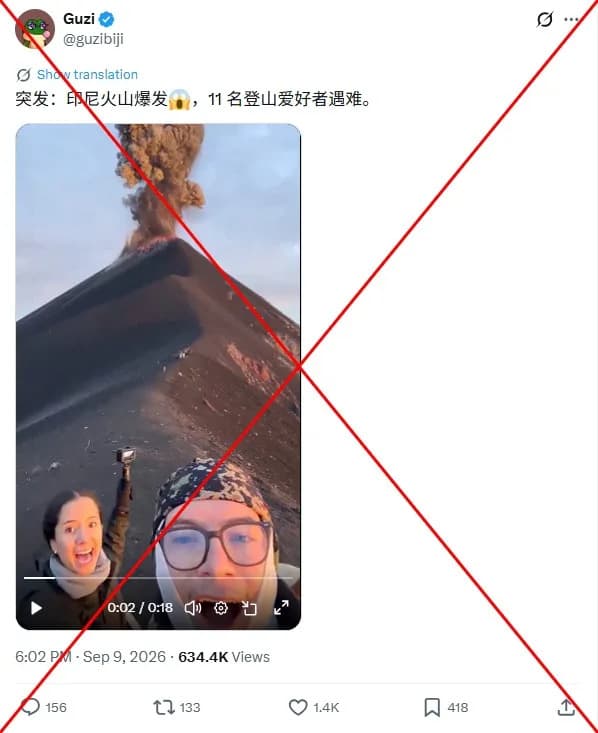
Screenshot of false post captured on September 25, 2026, with red X added by AFP
Multiple volcanic eruptions across Indonesia in late August and September 2026 sparked a fresh wave of social media speculation that the Alaska-based HAARP research facility was responsible. Scientists and Indonesian officials have repeatedly dismissed those claims as baseless, saying there is no physical mechanism by which HAARP could trigger volcanic eruptions.
What Was Shared Online
An Indonesian-language Instagram post shared on 7 September 2026 amplified the speculation, noting—without evidence—that HAARP has “the capability to manipulate the weather.” The post also highlighted the timing of six eruptions and a diplomatic meeting in Vladivostok to imply a link. A short video attached to the post features Ulta Levenia, a former senior presidential adviser, repeating an earlier false claim that HAARP caused a 2023 earthquake in Turkey. AFP later captured a screenshot of the Instagram post (25 September 2026) and flagged it as false.
Why The Claims Are Not Scientifically Supported
HAARP (the High-frequency Active Auroral Research Program) is a scientific installation in Alaska that uses powerful high-frequency transmitters to study the Earth’s ionosphere. The University of Alaska Fairbanks has managed the programme since 2015, when operations were transferred from the U.S. Air Force. The facility’s director, Jessica Matthews, told AFP in a 18 September 2026 email that "the research equipment at the HAARP facility is not capable of generating volcanic activity or amplifying such events."
Daryono, former head of the Earthquake Center at Indonesia’s Meteorology, Climatology and Geophysical Agency, described HAARP as a real technology that has been ascribed unrealistic powers. He explained that while HAARP can heat very small volumes of the upper atmosphere, it lacks anywhere near the energy required to move millions of cubic metres of 1,200°C magma. "There is no scientific basis whatsoever," he said.
Indonesia’s Geological Context
Indonesia sits on the Pacific Ring of Fire, where tectonic plates meet and produce frequent volcanic and seismic activity. Rita Susilawati, head of Indonesia’s Volcanology and Geological Disaster Mitigation Center, told state news agency Antara that the country’s 127 active volcanoes can erupt independently and that simultaneous activity does not necessarily indicate a single cause. "In simple terms, each volcano has its own kitchen," she said. Investigators found no evidence of a single geological process triggering all the eruptions on 31 August 2026.
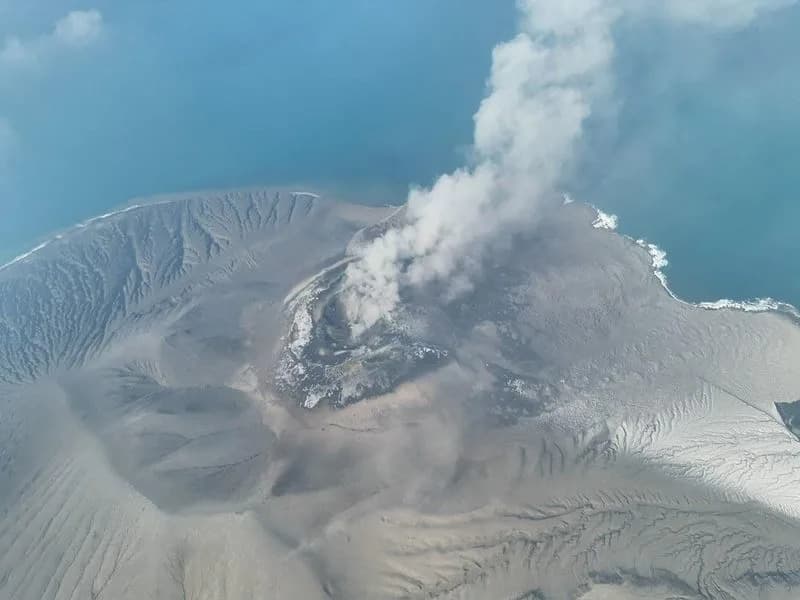
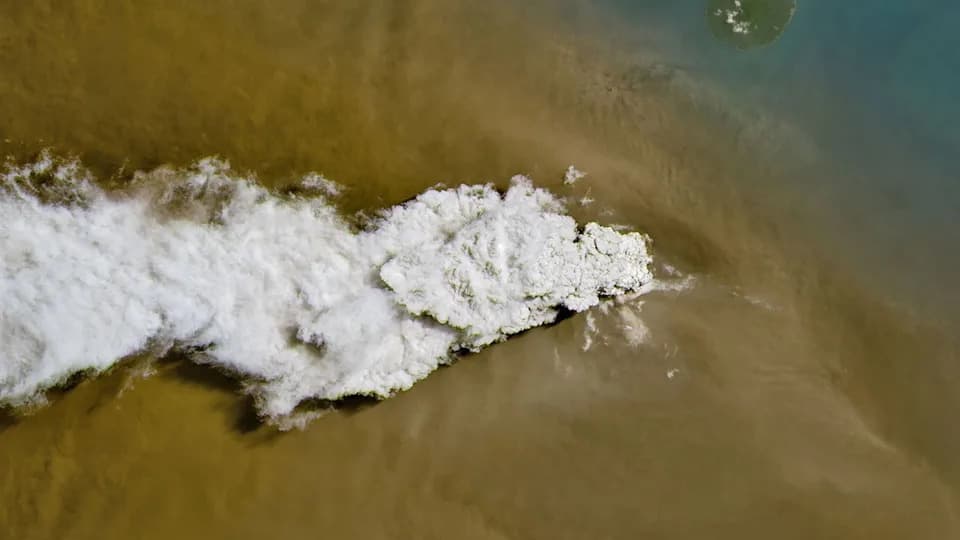
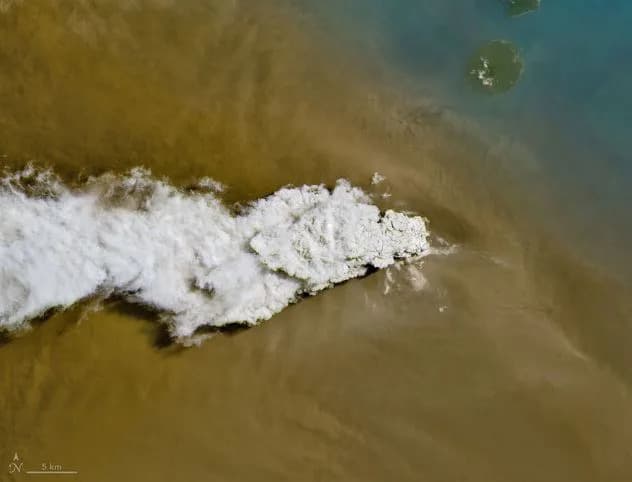
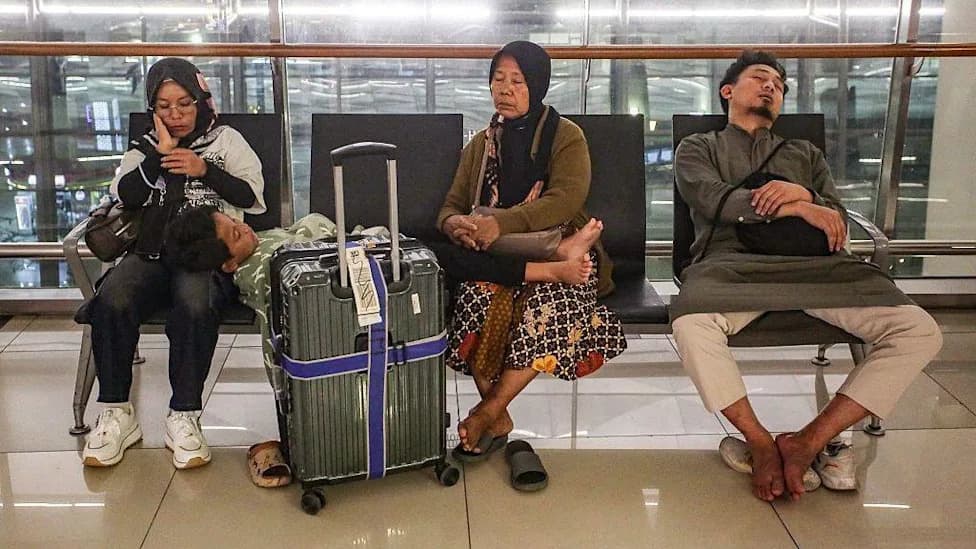
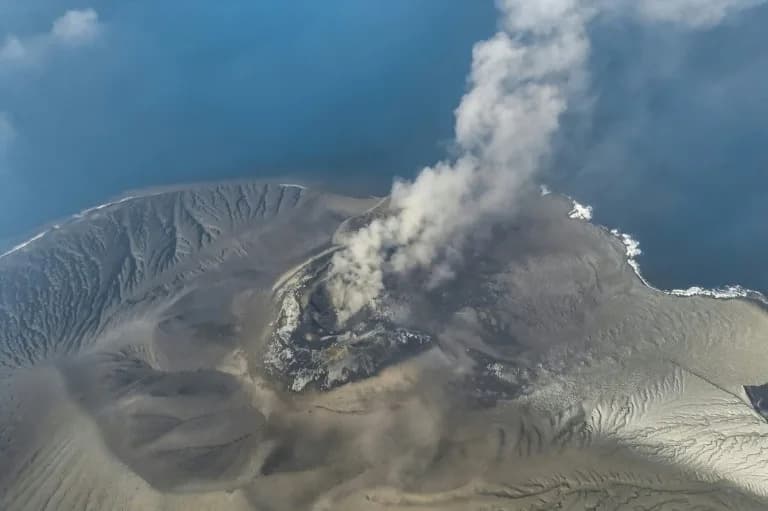
One eruption, at Mount Anak Krakatau in the Sunda Strait, sent ash over Jakarta and neighbouring areas and caused airport closures that stranded thousands of travellers—an impact that fueled attention and online speculation.
Why This Matters
Misinformation linking HAARP to natural disasters is long-standing. Experts warn that promoting unproven conspiracy theories can erode public trust in scientific institutions and disaster-management agencies, potentially hampering effective responses during real emergencies. AFP has also debunked several other false claims that circulated after the Indonesian eruptions.
Help us improve.