Sheikha Moza bint Nasser did not attend the UN General Assembly in New York this September, marking a continued withdrawal from public life after the July death of her husband, former Emir Sheikh Hamad bin Khalifa Al Thani. As chair of the Qatar Foundation and a UN SDG advocate, she helped build Education City and advance Qatar’s international education profile. Her absence has fueled speculation about whether she will retain influence behind the scenes or step back permanently from public duties.
Sheikha Moza Skips UN 'Royal Week' in New York — Retreat After Sheikh Hamad's Death Raises Questions About Her Future
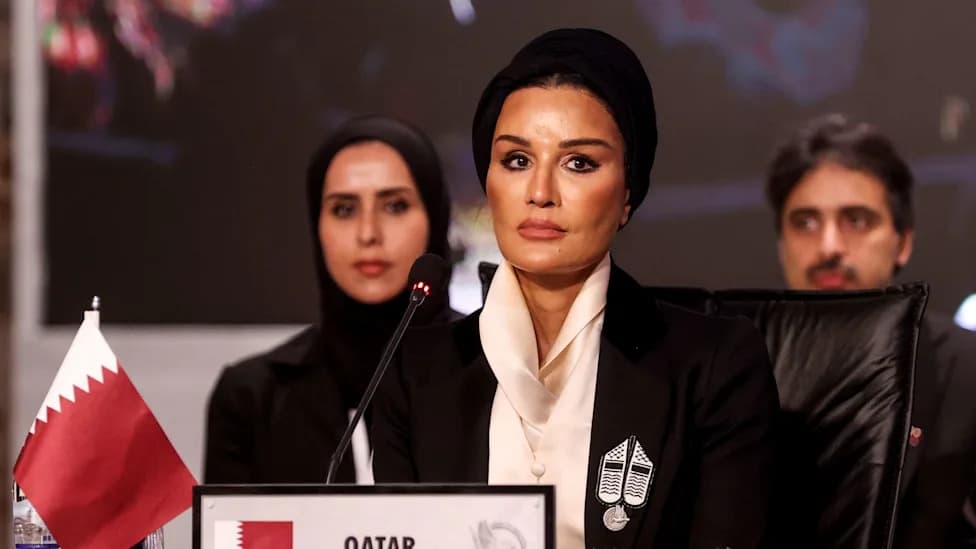
Qatari Emir Sheikh Tamim bin Hamad Al-Thani's mother Sheikha Moza Bint Nasser speaks during the United For Peace in Palestine Summit at Dolmabahce Office (Anadolu via Getty Images)
Sheikha Moza bint Nasser — long one of the most visible Arab royal women on the international stage — was noticeably absent from the United Nations General Assembly in New York this September. Her absence is the latest sign of a near-complete withdrawal from public life that began after the July death of her husband, former Emir Sheikh Hamad bin Khalifa Al Thani, who died aged 74.
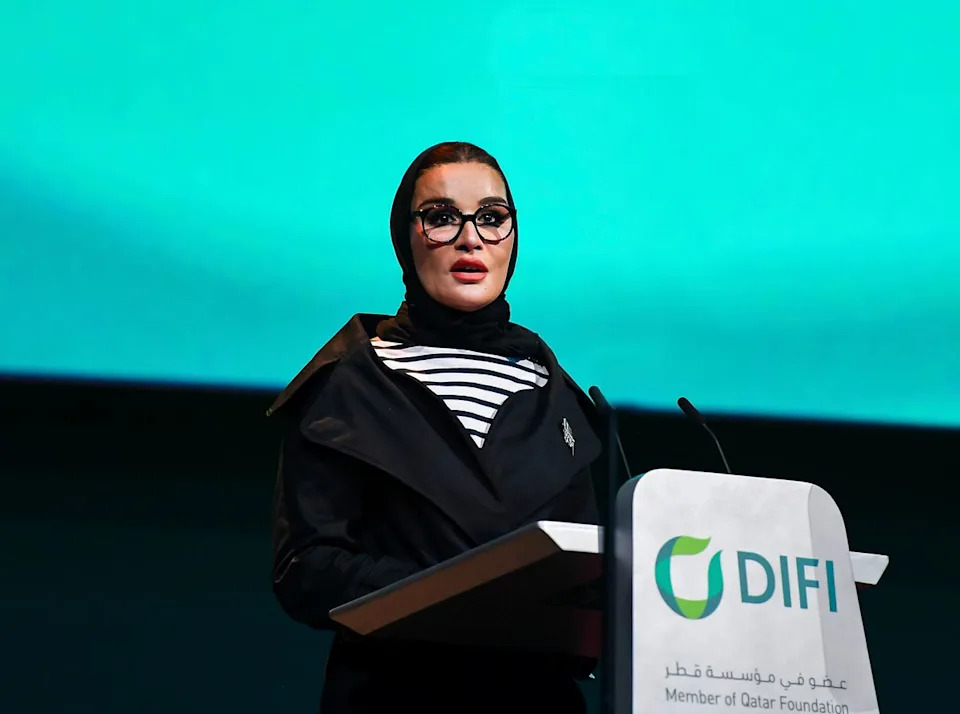
Sheikha Moza bint Nasser, Chairperson of Education Above All Foundation and UN SDG Advocate, speaks during the opening session of the International Year Of The Family Conference at Qatar National Convention Centre in Doha (@ NurPhoto via Getty Images)
A High-Profile Absence
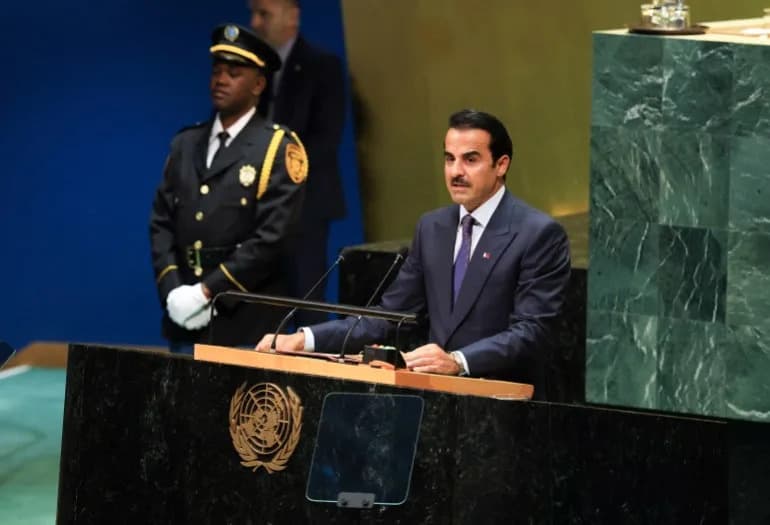
Every September, world leaders and royals gather in Manhattan for the UN General Debate. This year’s 81st session included European royals such as Queen Máxima of the Netherlands and Queen Mathilde of Belgium, and other heads of state and traditional rulers. In that diplomatic crowd, the empty seat where Sheikha Moza would often be seen underscored how her retreat changes a familiar tableau of international soft diplomacy.
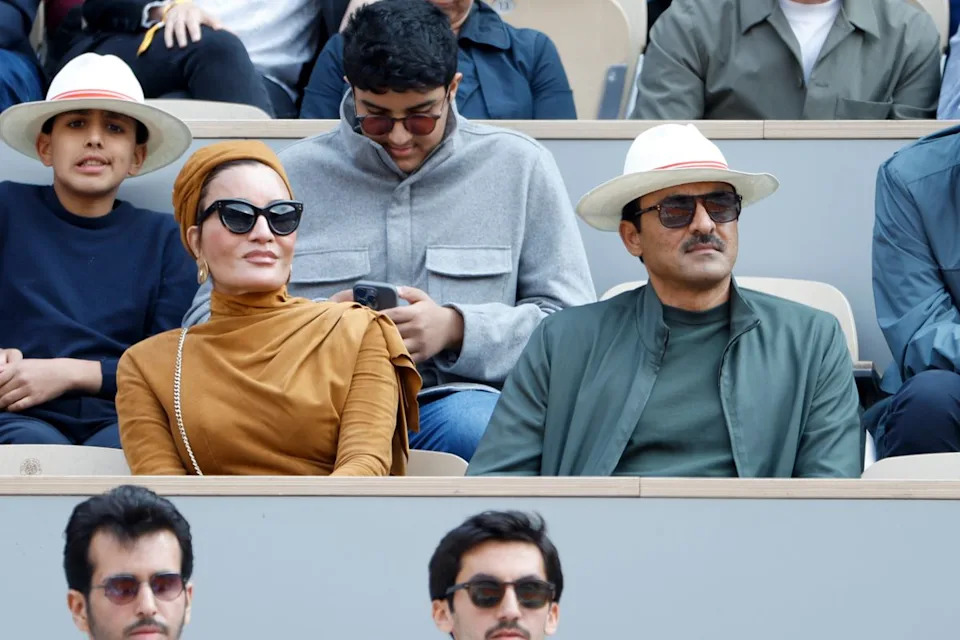
Sheikha Moza bint Nasser Al-Missned, Emir of Qatar Sheikh Tamim ibn Hamad Al Thani attend the men's final on day 15 of the 2025 French Open (@ Getty Images)
Why Her Withdrawal Matters
Sheikha Moza has been a prominent advocate for education and development, serving as chairperson of the Qatar Foundation for Education, Science and Community Development and of the Education Above All Foundation, and acting as a UN Sustainable Development Goals advocate. The institutions she helped build — most notably Education City, launched in 2003 — have become cornerstones of Qatar’s global outreach and its soft-power strategy.
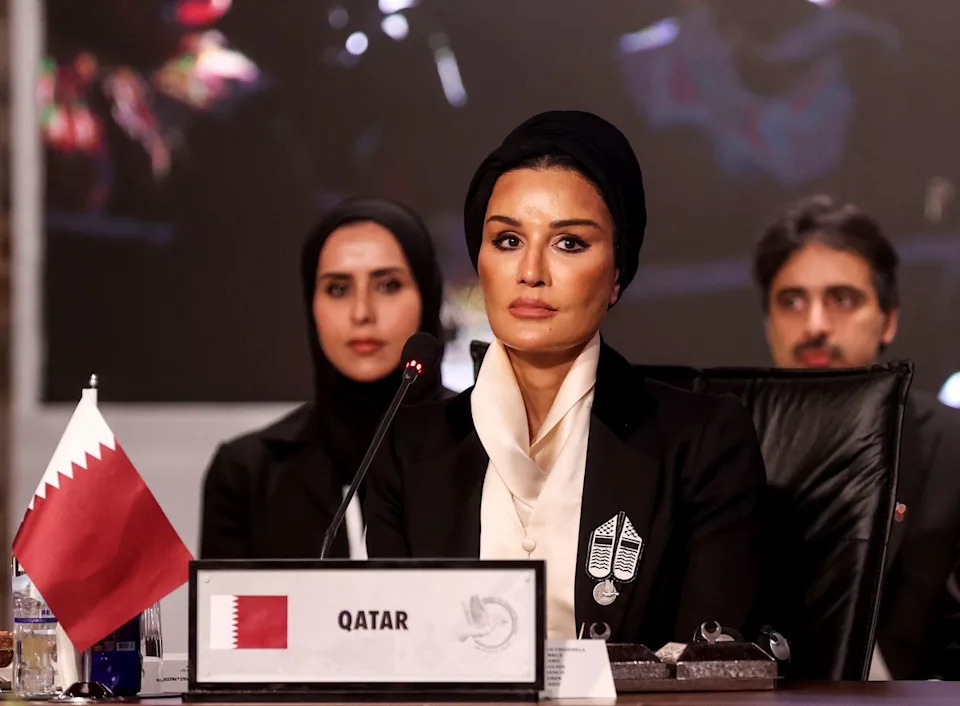
Qatari Emir Sheikh Tamim bin Hamad Al-Thani's mother Sheikha Moza Bint Nasser speaks during the United For Peace in Palestine Summit at Dolmabahce Office (@ Anadolu via Getty Images)
Background And Legacy
Born into the influential Al-Missned family in Al Khor, Sheikha Moza rose to prominence after marrying Sheikh Hamad, who assumed power in 1995 and ruled until abdicating in 2013 in favor of their son, Sheikh Tamim bin Hamad Al Thani. Trained in sociology at Qatar University and once reported to have aspired to medicine, she became one of the earliest Gulf royal women to take an outspoken, international-facing public role — especially on education, women's empowerment and development.
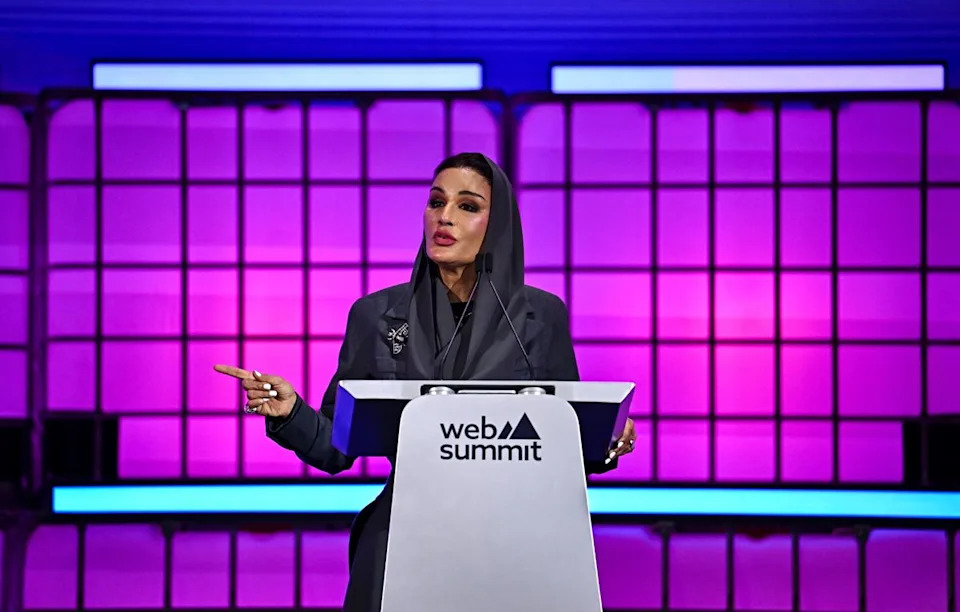
Sheikha Moza Bint Nasser, Chairperson, Qatar Foundation, on Centre Stage during day one of Web Summit Qatar 2026 at the Doha Exhibition and Convention Center Qatar (@ Sportsfile via Getty Images)
Under her leadership, Education City attracted branch campuses of several major international universities, including Virginia Commonwealth University, Texas A&M and Carnegie Mellon, institutions that later conferred honorary doctorates on her. These initiatives are widely seen as central to Qatar’s modern national image.
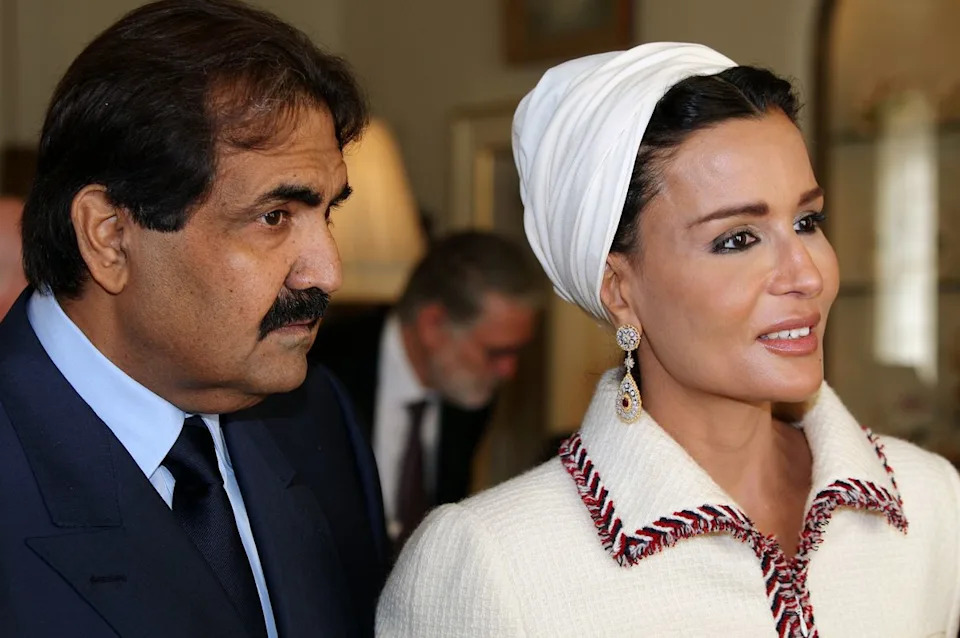
Sheikha Moza bint Nasser and her husband, Emir Sheikh Hamad bin Khalifa Al Thani. (@ Getty Images)
What Comes Next?
Since July, Sheikha Moza has largely retreated from public events, and the Al Thani court has not issued detailed statements about her future role. Observers and diplomats are left to speculate whether her influence will continue behind the scenes — maintaining advisory or philanthropic leadership — or whether she will step back permanently from public life. Either way, her institutional legacy gives her continuing soft-power influence, even if it will be exercised out of the spotlight.
Bottom line: The high-profile absence of Sheikha Moza at the UN highlights both personal mourning and a potential shift in Qatar’s public-facing leadership; her long-term role remains unclear but her educational legacy endures.
Help us improve.