Narges Mohammadi, the 2023 Nobel Peace Prize laureate, describes in her memoir the heartbreak of being separated from her twins after they left Iran in 2015. Writing from her time in Evin Prison, she recalls the final farewell, the threats that forced their exile, and the feeling of "drowning" without them. The book pairs painful memories with moments of solidarity — including prisoners celebrating her Nobel win and creative acts of defiance — while warning that Mohammadi’s health and liberty remain at serious risk.
“I Was Drowning”: Nobel Laureate Narges Mohammadi Reveals the Agony of Decade-Long Separation From Her Twins
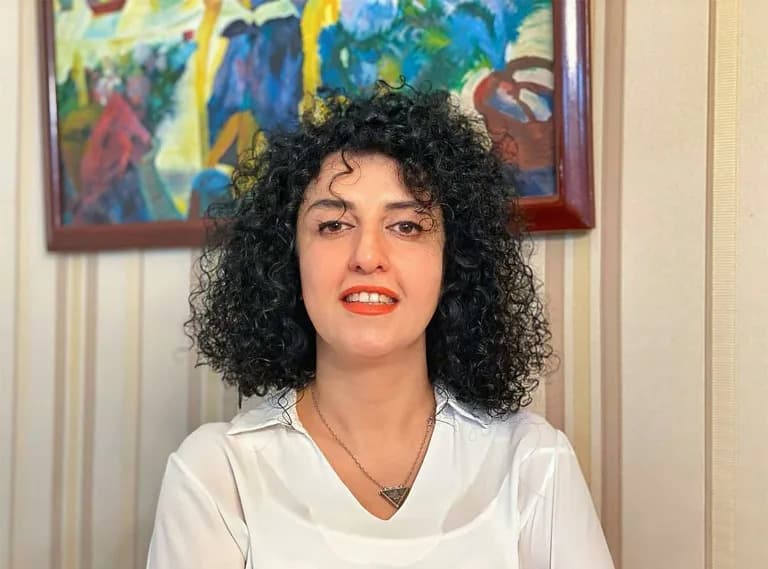
Mohammadi recounted her years of mistreatment in prison (-)
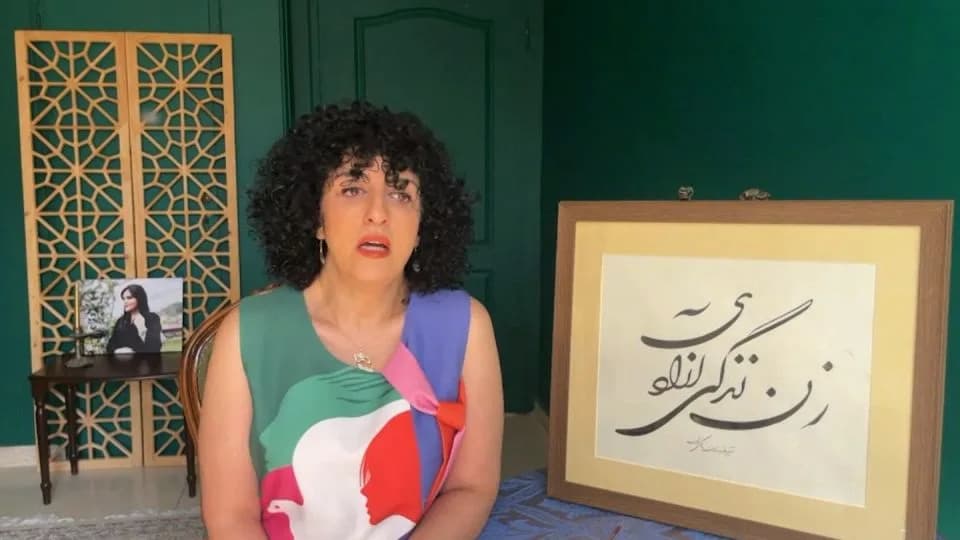
Iranian Nobel Peace Prize laureate Narges Mohammadi lays bare the emotional cost of her decades-long human rights campaign in her new memoir, A Woman Never Stops Fighting. The book mixes wrenching personal moments with acts of courage and solidarity from inside Tehran’s notorious Evin Prison.
Final Farewell
Mohammadi recalls a blistering July day in 2015 when, while jailed in Evin, she said what would become a prolonged goodbye to her twins, Kiana and Ali. The children — eight at the time and reported as 19 now — had come to see her before leaving Iran for Paris.
"They arrived dressed in colourful summer clothes, their hair neatly combed, bright smiles on their faces... After embracing a last time, once outside, still holding tightly on to one another, they began to run. They looked back, waving goodbye — an image I'll never forget."
She describes the moment in visceral terms: "My body was flushing with heat. I felt as though I had become a flame... I felt as though a vast void had opened inside me." Although she believed exile was necessary for their safety — citing sabotaged cars, midnight intruders and the shadow of the gallows — the separation felt like "drowning."
Fear, Resolve and a Promise
Mohammadi, 54, was released in May on health grounds after her most recent arrest late last year. Her incarceration history spans much of the past decade and includes time behind bars during the 2022 "Woman, Life, Freedom" protests, the period around her 2023 Nobel award, and subsequent mass demonstrations. She also lived through the escalation of regional conflict, saying that when bombing reached Tehran in 2025 she feared dying before seeing her children again and resolved to survive so they would not have to learn of her death.
Moments of Joy and Defiance in Prison
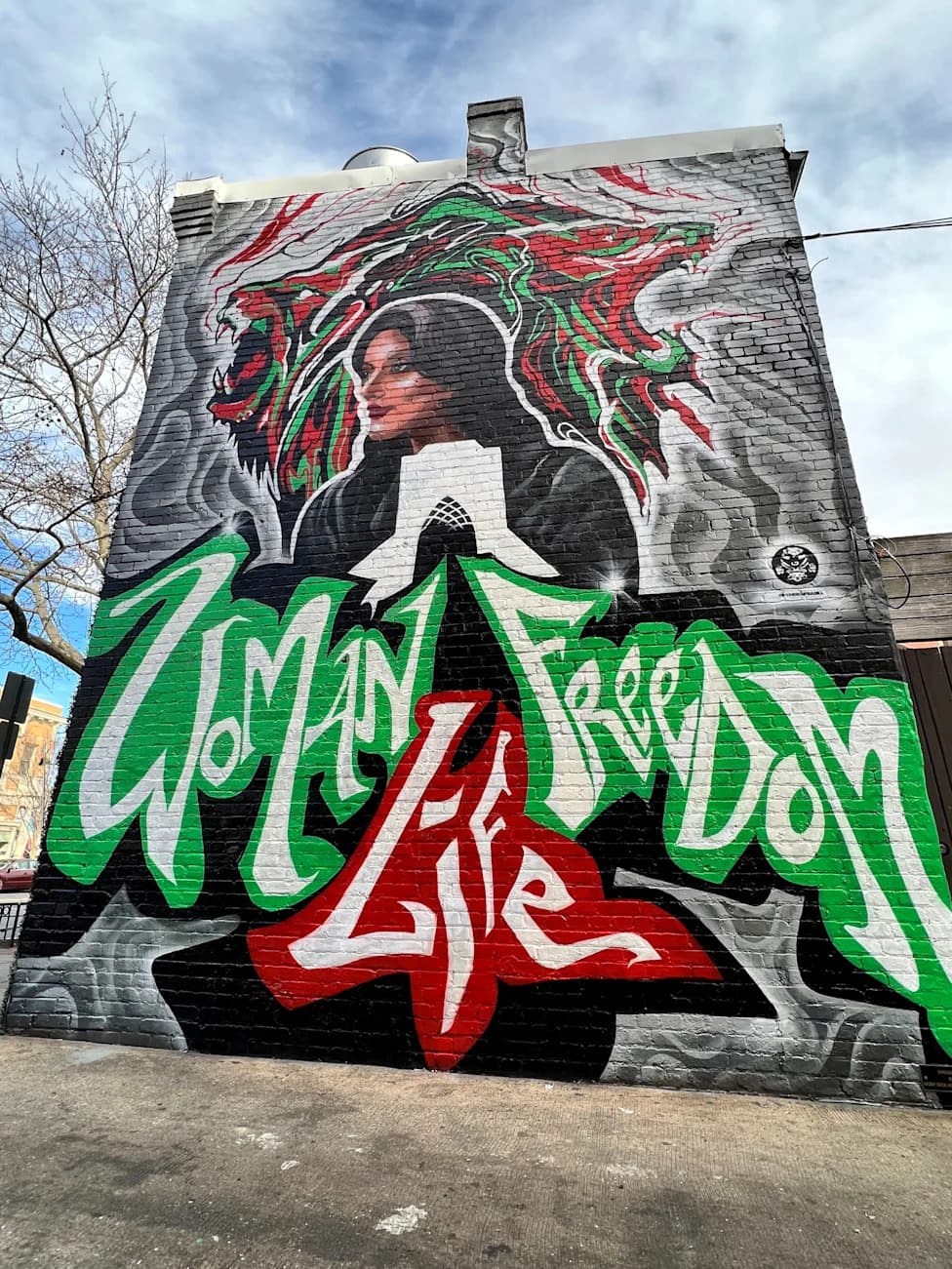
The memoir balances pain with moments of hope. Mohammadi recounts the elation in October 2023 when a fellow prisoner announced: "Narges has won the Nobel Peace Prize!" Women in her ward chanted "Woman, Life, Freedom", clapped through corridors, danced in the yard and sang a Persian version of "Bella Ciao."
She also describes inventive acts of civil disobedience during the 2022 protests, when prisoners obscured surveillance cameras by sticking glued sanitary pads over lenses. Where cameras were out of reach, they lashed broom handles together to reach them — small, risky acts of resistance under constant surveillance.
Ongoing Risk
Supporters warn Mohammadi — who has a heart condition — remains at risk of re-arrest and could face roughly 18 years in prison on various national security charges. They say further imprisonment would endanger her life.
About the Author
Narges Mohammadi is a long-time Iranian human rights activist whose work on women's rights, political prisoners and disability rights led to international recognition, including the 2023 Nobel Peace Prize. Her memoir provides a personal perspective on the sacrifices made by dissidents and their families under an oppressive security apparatus.
Help us improve.