Narges Mohammadi has turned smuggled prison notes into a memoir that details severe beatings, prolonged solitary confinement and a life‑threatening health decline while jailed in Tehran’s Evin Prison. The Nobel laureate describes lost notebooks, a suspected heart attack with a roughly 20kg weight loss, and decades‑long prison sentences and lashes. Despite the personal cost to her exiled twins, Mohammadi says she would choose to continue her human rights struggle.
Narges Mohammadi’s New Memoir Reveals Brutal Abuse in Evin Prison — She Says She’ll Keep Fighting
CNN
Nobel Peace Laureate Narges Mohammadi has transformed fragments of smuggled notes from Tehran's notorious Evin Prison into a powerful new memoir, A Woman Never Stops Fighting, now being released in some European countries. The book recounts years of sustained mistreatment — including beatings, prolonged solitary confinement and a near-fatal decline in health — and names the methods and actors she says were responsible for her abuse.
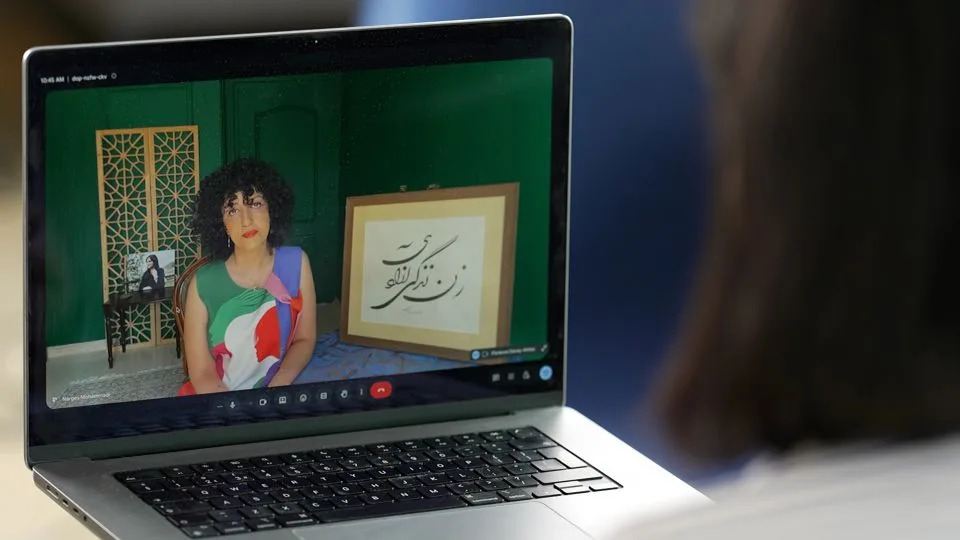
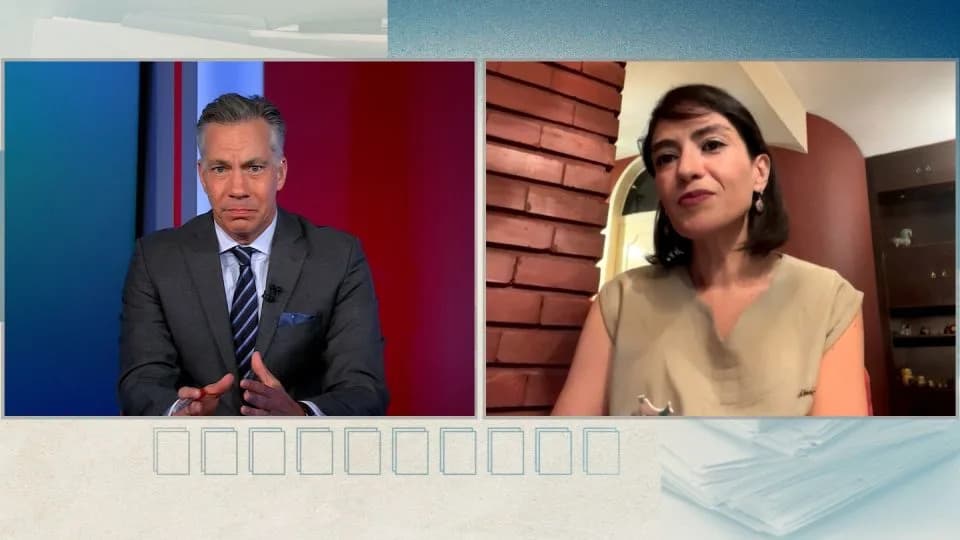
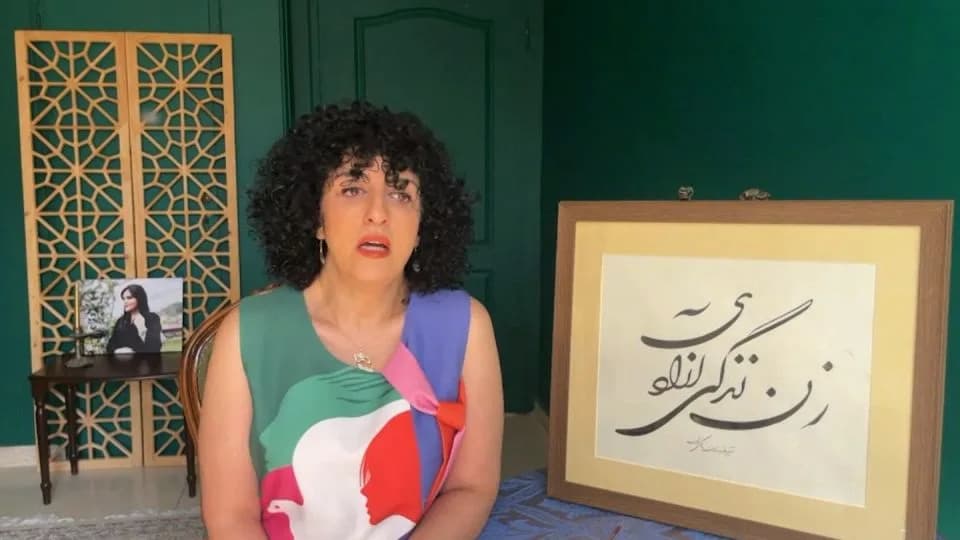
Narges Mohammadi spoke about her imprisonment in an interview with CNN. - CNN
From Smuggled Pages to a Memoir
Mohammadi, 54, says she and fellow inmates secretly moved pieces of her writing out of the prison. On one visiting day, prison security confiscated three sheets of paper taken out by a friend; on another occasion, more than 20 of her notebooks were lost after she was badly beaten and transferred to a different facility. Undeterred, she compiled the surviving fragments into her memoir to document what happened and to expose the alleged methods of torture.
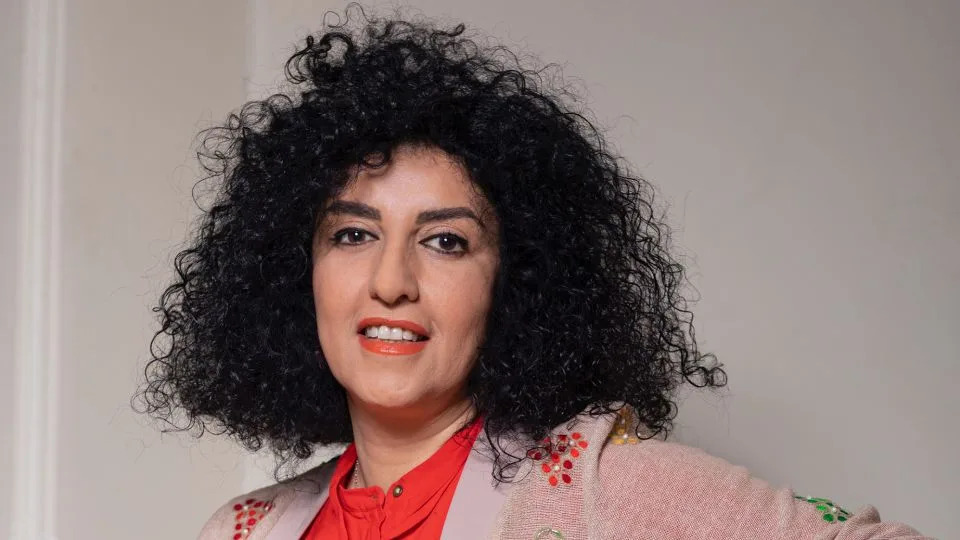
Narges Mohammadi is pictured at home in Iran during a stint out of prison on medical furlough. - Reihane Taravati
Allegations of Abuse and Medical Neglect
The Norwegian Nobel Committee and Mohammadi’s foundation have described “credible reports” that during her most recent arrest and detention she was beaten with wooden sticks and batons, dragged by her hair, and kicked in the pelvic and genital areas. She says the attacks left open wounds and severe pain, and that she was held in solitary confinement for two months without access to family or lawyers.

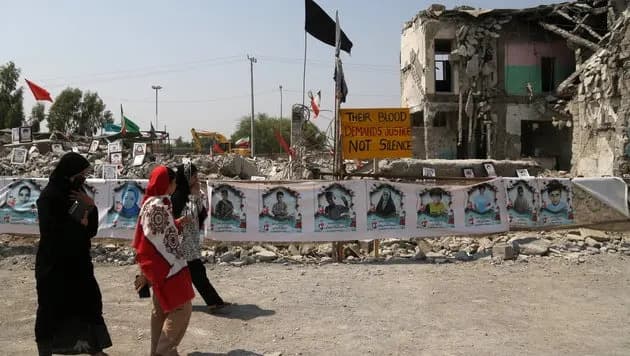
Protests rocked Iran in the autumn of 2022, following the death of Mahsa Amini. - AP
“Keeping prisoners in solitary confinement is one of the government's tools to destroy a person,” Mohammadi told CNN. “The aim is to break them psychologically, emotionally and physically — to strip them of their identity and humanity.”
In March, Mohammadi suffered what her foundation described as a suspected heart attack. She lost roughly 20 kilograms (about 44 pounds) and was hospitalized for 18 days after prolonged neglect by authorities; her foundation said her life had been in "imminent danger." Iran’s semi-official Tasnim news agency disputed the severity of her condition, but Mohammadi was ultimately released temporarily on medical leave and says she is still receiving treatment.
Personal Cost and Continued Resolve
Mohammadi has been sentenced to more than 44 years in prison and 154 lashes, according to her foundation. Even so, she told CNN that she would choose the same path again — while also acknowledging the toll it has taken on her family. Her 19-year-old twins, Ali and Kiana, live in exile in France, and Mohammadi says she is haunted by doubt about the sacrifices they have borne in her name.
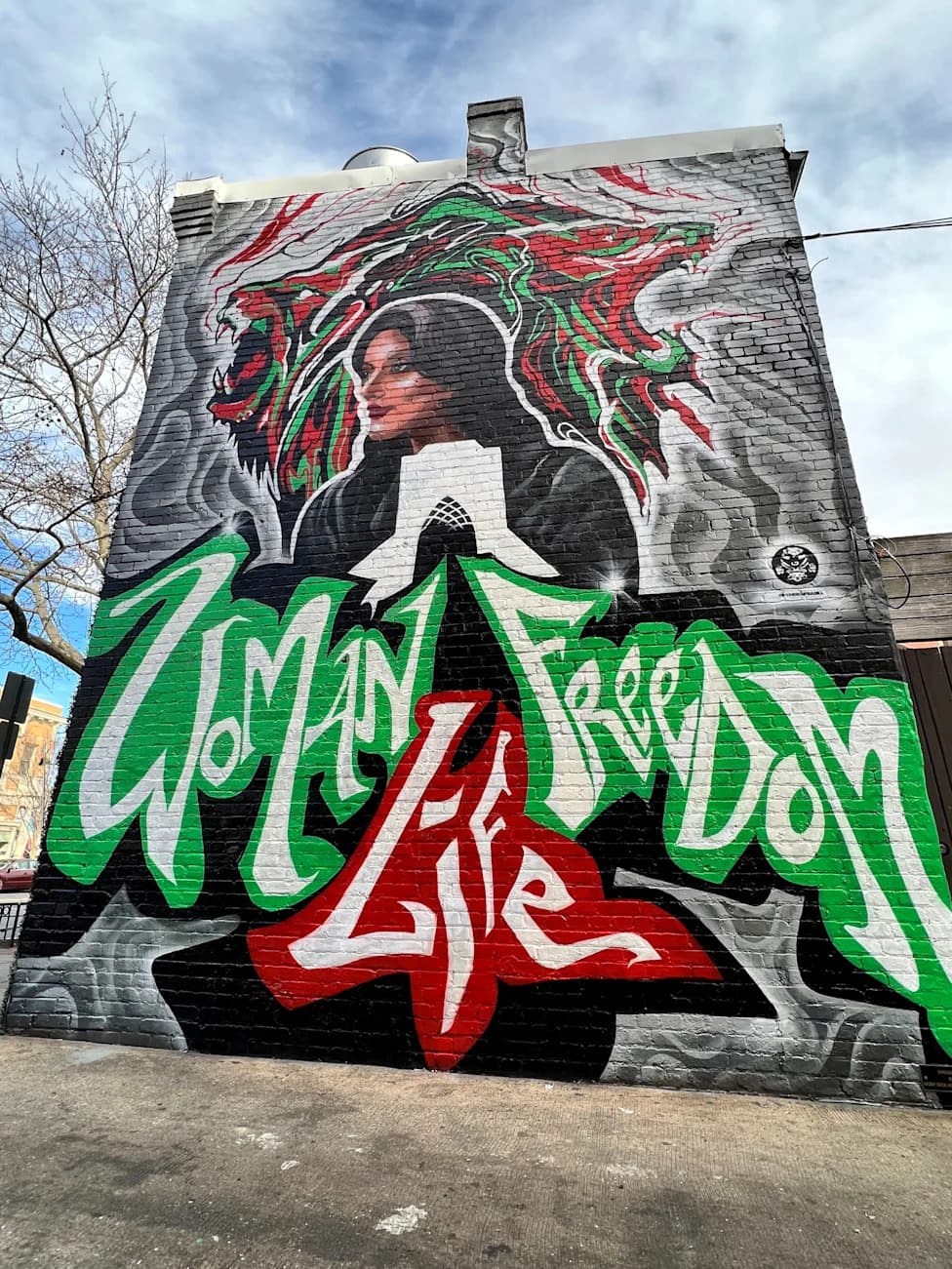
Her memoir also situates her experience within Iran’s larger protest movements, especially the Woman, Life, Freedom uprising triggered by the death in custody of Mahsa Amini in autumn 2022. Mohammadi credits the movement with giving protesters a sense of legitimacy and collective power despite violent crackdowns.
Why This Matters: Mohammadi’s account adds a first‑hand voice to international concerns about prison conditions, torture, and the denial of medical care in Iran. By documenting alleged abuses, she aims to preserve evidence and keep international attention focused on human rights inside the country.
Help us improve.