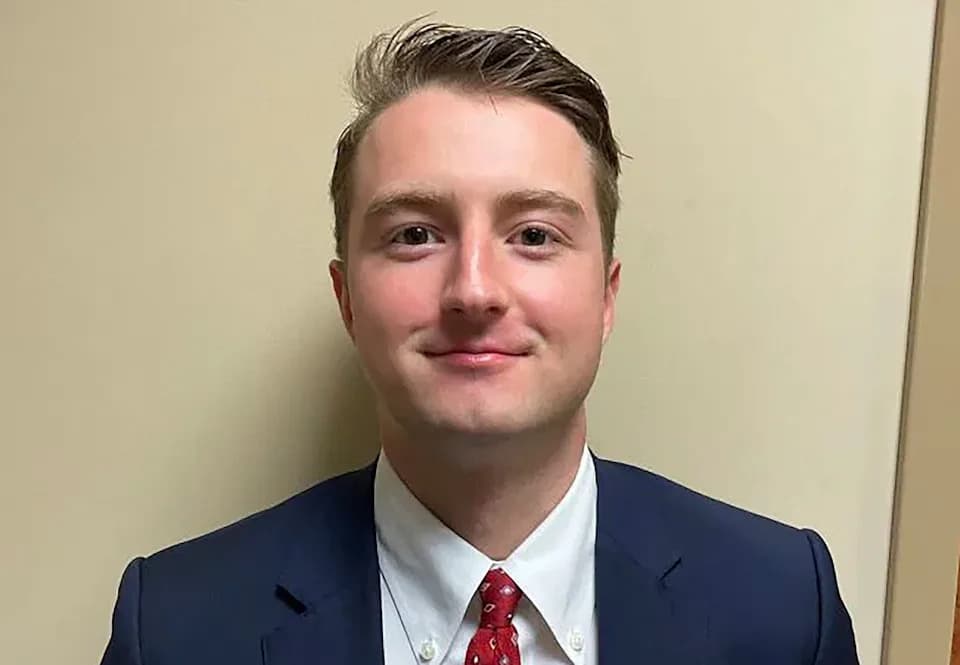
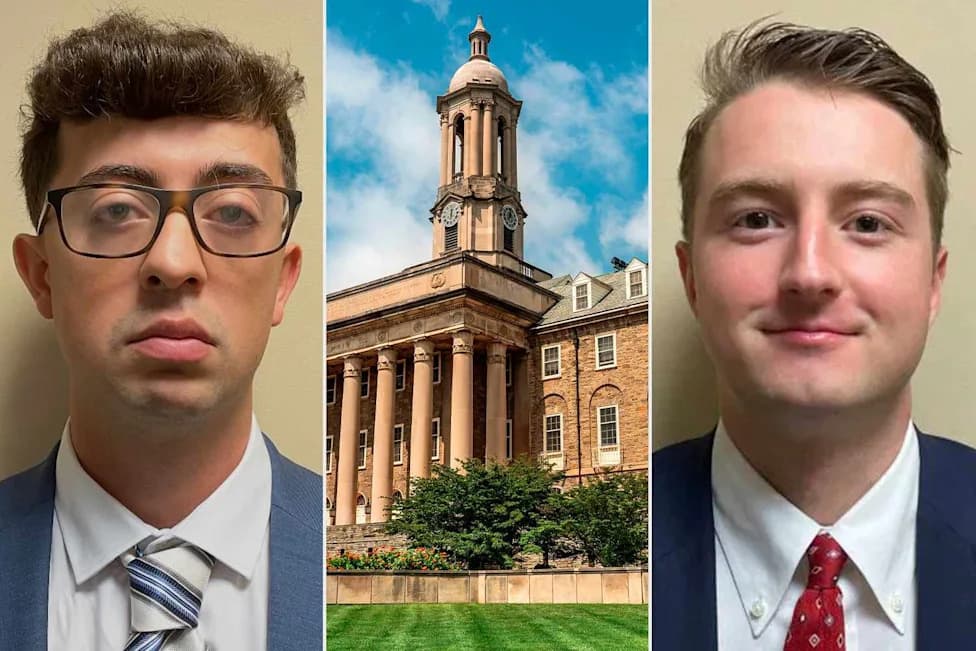
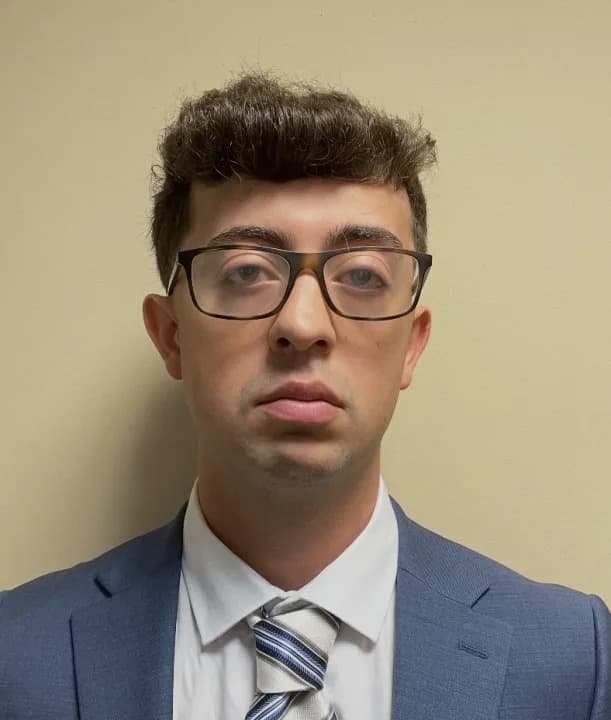
Court records released Wednesday detail how Thomas Robinson allegedly recruited fraternity pledges at Penn State University to help process and package cocaine, using a so-called "steady hand test" to identify those he considered "trustworthy." Prosecutors say the operation involved cutting kilograms of cocaine with creatine and portioning it into half-gram bags for campus distribution.
Grand Jury Presentment Details
According to a grand jury presentment, Robinson instructed three pledges to extend their hands; those whose hands remained steady were allowed to continue assisting, without being told the true nature of the work. The documents say Robinson had the pledges sign nondisclosure forms before taking them to a fraternity boiler room, where a folding table was set up with goggles, glass dishes, and small packaging bags.
At that location, the presentment says Robinson placed a brick-sized quantity of cocaine on the table while one pledge shredded the drug, Robinson mixed in creatine, and two pledges filled and weighed half-gram bags for sale across campus. Prosecutors allege the enterprise expanded quickly after Robinson assumed control, prompting warnings from fellow fraternity members that the operation had grown too large and risked criminal exposure.
Fraternity Culture And Code Of Silence
Authorities allege a code of silence within the fraternity extended to the drug operation. After Robinson's arrest, the president of the DU fraternity reportedly held a virtual meeting telling members not to speak with police and advising anyone who had been involved to retain counsel and notify fraternity leadership if contacted by law enforcement.
Recovered Safe Allegations
The court filings further allege that after Robinson's arrest and brief release from jail, his father, Paul Robinson, helped retrieve a safe containing drugs and cash that a fraternity brother had buried in nearby woods. The records say Thomas Robinson paid fraternity brother Ryan Matson and roommate Thomas O'Neil to store a safe in their apartment; following the arrest Matson and O'Neil buried it in a wooded area.
Prosecutors say Paul Robinson later contacted Matson, who led him to the buried safe using a mapped location; the safe was recovered, placed in Paul's vehicle and driven away from the Penn State area. The presentment quotes the Robinsons expressing gratitude to Matson and warning him not to disclose the safe's existence.
Charges And Response
More than a dozen people — including current and former Penn State students, one parent and members of two fraternities — were charged last month in the alleged cocaine-trafficking operation. The Robinsons did not immediately respond to requests for comment.
Note: All allegations described above are from court records and grand jury filings. The individuals named are presumed innocent unless proven guilty in a court of law.