The Great Green Wall was launched in 2007 to restore degraded Sahel landscapes and was often promoted as an 8,000 km belt of trees from Senegal to Djibouti. While more than 20 countries have participated and some local projects show clear success, many plantings failed because of drought, heat, conflict and funding shortfalls. The programme has shifted from a single continuous wall to a resilient "mosaic" of community-led restoration, agroforestry and soil-and-water measures.
What Really Happened With Africa’s ‘Great Green Wall’ — Ambition, Setbacks and Local Wins
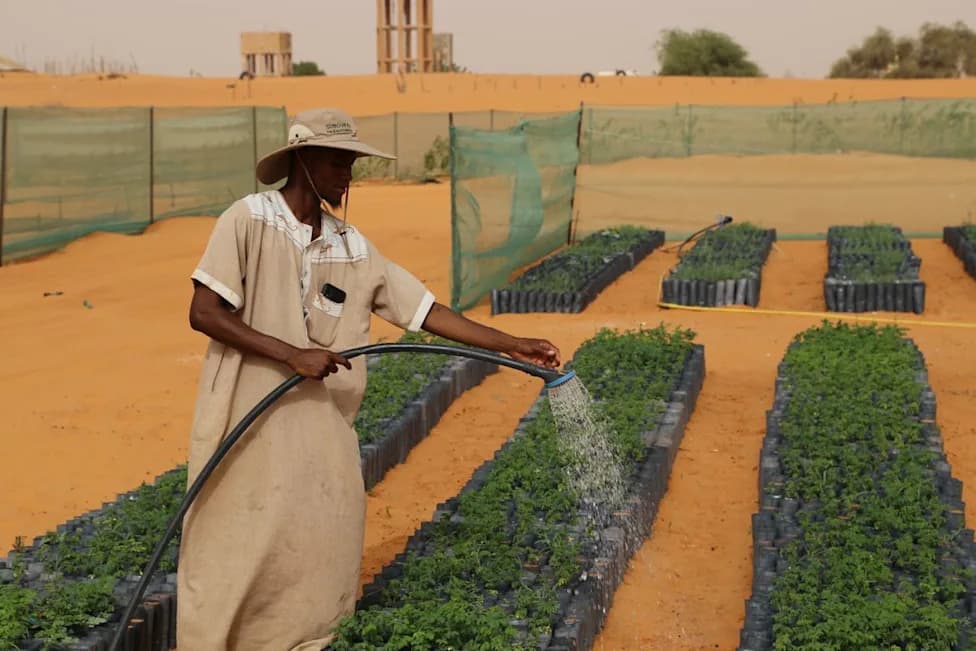
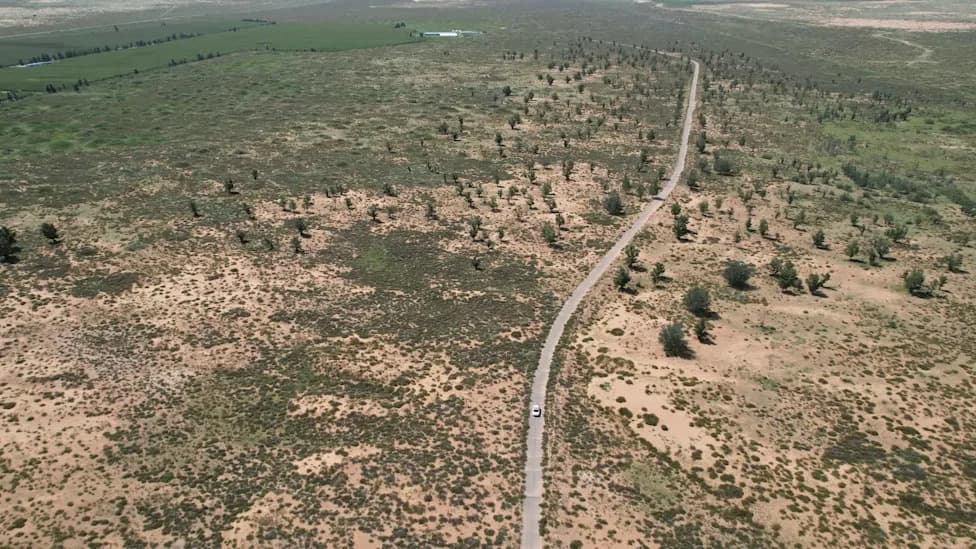
Si Yuan, Xinhua News Agency, accessed via Getty Images
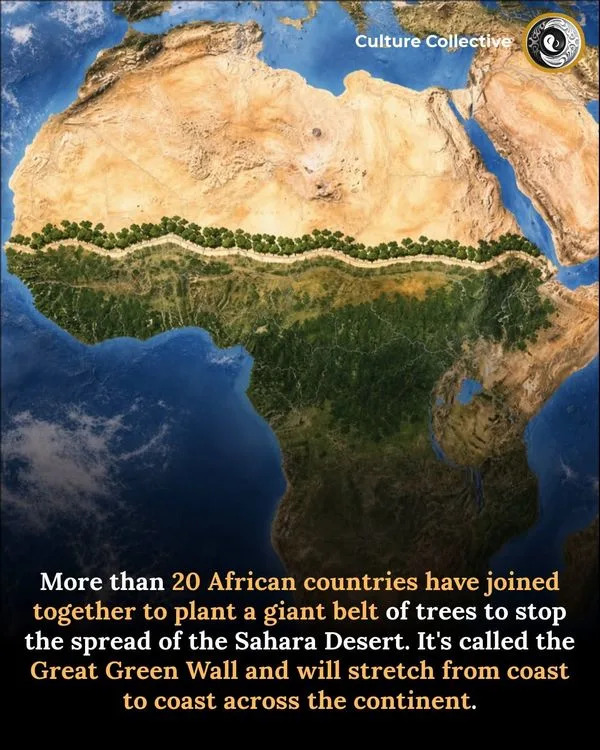
The Great Green Wall is a real, long-running effort to restore degraded land across the Sahel — the semi-arid band south of the Sahara — but the story is more complex than viral posts often suggest. Launched in 2007, the initiative was widely described as an 8,000 km belt of trees stretching from Senegal to Djibouti. Over time the project shifted from that simple image toward a dispersed set of restoration and livelihood projects tailored to local conditions.
Origins and Official Goal
The United Nations Convention to Combat Desertification (UNCCD) and participating countries promoted the idea of a transcontinental “living wall” to halt desertification, restore ecosystems and improve rural livelihoods. Early communications framed the goal as an 8,000 km natural structure across Africa to be achieved by 2030 — a description that helped attract global attention but also encouraged a simplified picture of a continuous tree line.
Implementation: Trees, Then A Mosaic
Field experience and research showed that planting a single, unbroken wall of trees across varied and often drought-prone landscapes was neither practical nor resilient. Many saplings died during droughts and heat waves, and maintenance and local engagement were uneven. By 2021, investigative reporting indicated that only a small share of the original target area had been restored (an Associated Press analysis estimated roughly 4% had been achieved by that year) and that a substantial funding gap remained.
Local Successes
Despite widespread setbacks, several localized projects produced meaningful results. Senegal reported millions of drought-resistant trees planted in reforestation and agroforestry projects; programme materials have cited large areas of degraded land restored in countries such as Nigeria and Ethiopia. These successes tend to come from projects that prioritized native species, water-harvesting techniques and active community ownership.
Economic Assessment
A 2021 paper in Nature Sustainability modelled costs and benefits for Great Green Wall restoration activities and found that restoration can be economically viable: under its base scenario, each US$1 invested could yield about US$1.20 in combined market and non-market benefits, with many projects breaking even within ten years. The study estimated broad funding needs in the tens of billions of dollars (a central estimate near US$44 billion, with scenario ranges), and highlighted how conflict and access limitations shrink the area that can be effectively restored.
Main Challenges
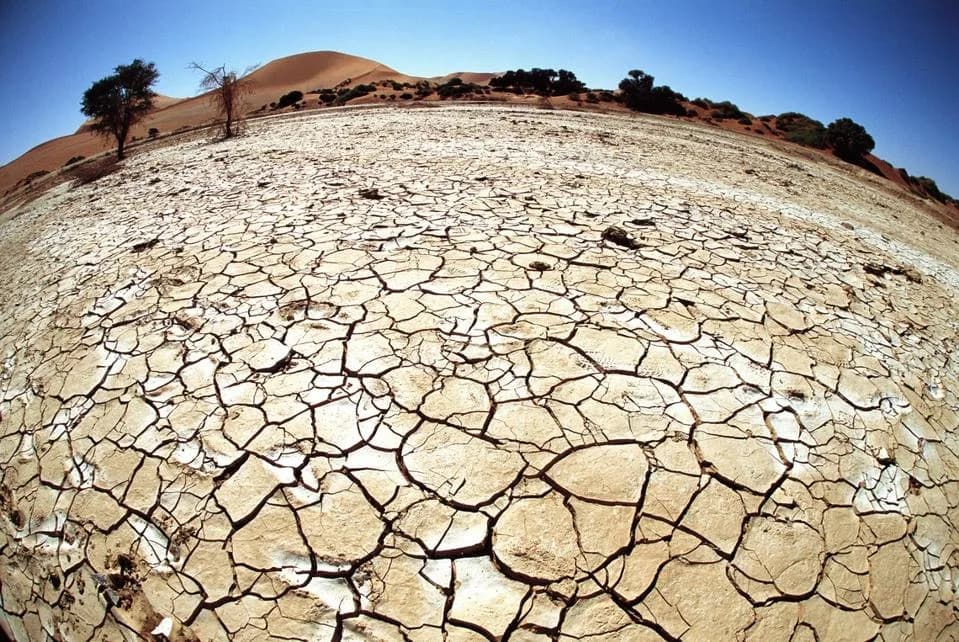
- Climate Stress: Rising temperatures and reduced rainfall have killed many plantings and limit the survival of trees in exposed sites.
- Funding Gaps: Large-scale restoration requires sustained investment; estimates to meet broad ambitions are tens of billions of dollars.
- Security and Governance: Violent conflict across parts of the Sahel restricts access to restoration sites and disrupts long-term maintenance.
- Local Ownership: Projects that don’t involve communities or adapt to local livelihoods often fail to persist.
Shifting the Narrative
Journalistic investigations and scientific studies describe the Great Green Wall today as a mixed story: not a single monumental forest visible from space, but a continent-scale movement toward restoration combining trees, agroforestry, soil and water conservation, and livelihood support. That evolution reflects lessons learned about species selection, local participation and realistic targets.
Bottom Line
The Great Green Wall is a legitimate, multi-country effort that began with an inspiring — if simplified — vision. It has produced important local wins and useful evidence that restoration can be cost-effective. But many original targets were missed, and the initiative now emphasizes a mosaic of community-led projects better adapted to local climates and economies. Success will depend on long-term funding, security, and genuine local ownership.
Sources: United Nations Convention to Combat Desertification; Associated Press (2021); Nature Sustainability (2021); NPR reporting (2026); Great Green Wall programme documents.
Help us improve.