Awa Diba laboured for 24 hours in a Dakar public hospital just before a nationwide strike, highlighting overcrowded wards, intermittent power and frightened patients. Medical unions staged strikes demanding more recruitment, better pensions and targeted investment outside Dakar. Despite 6.7% growth in 2025 from new oil and gas production, high public debt and cuts to foreign aid limit health spending, leaving many Senegalese to delay care until it is too late.
A Mother’s Ordeal in Dakar Lays Bare Senegal’s Strained Health System
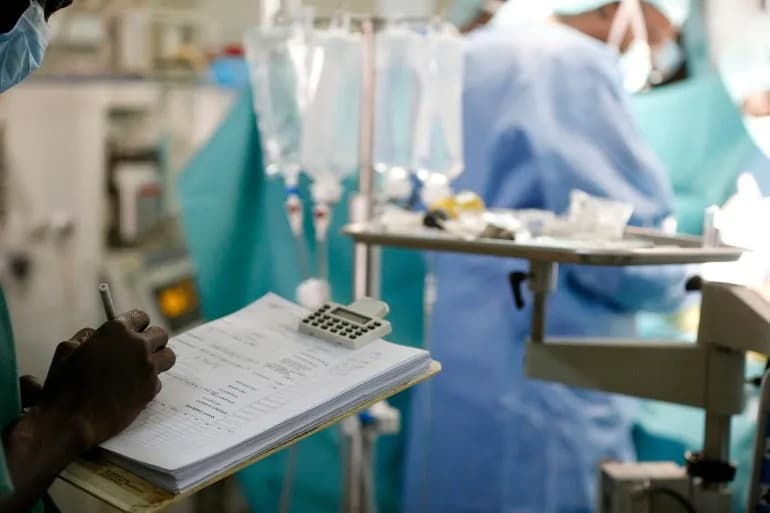
An anaesthesiologist works in an operating theatre at Fann Hospital in Dakar, Senegal [Godong/Universal Images Group via Getty Images]
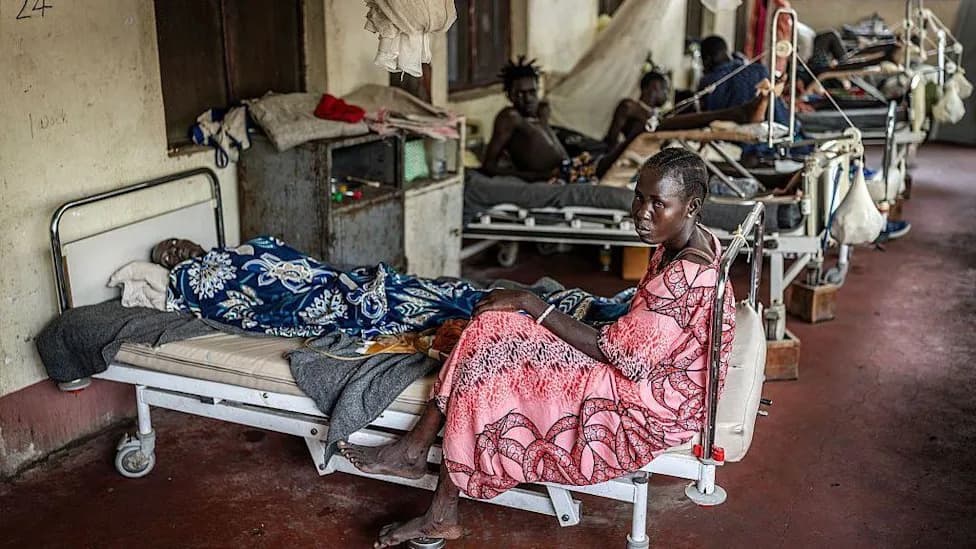
Twenty-four hours before a nationwide health workers' strike, Awa Diba went into labour at a public hospital in Dakar. Her first child was born after a 24-hour ordeal in an overcrowded ward with intermittent power, a broken fan and little privacy — an experience she says revealed a system under severe strain.
"There is a lot of shouting. I saw things inside the hospital that shocked me," Diba recalls. Sharing a room with four other women, she describes fear among patients and curt responses from staff: "Be quiet." Despite the conditions, Diba — who trained as a nurse after studying digital communication in Ziguinchor — left with a healthy daughter, whom she named Myriam.
Strikes, Shortages and Uneven Care
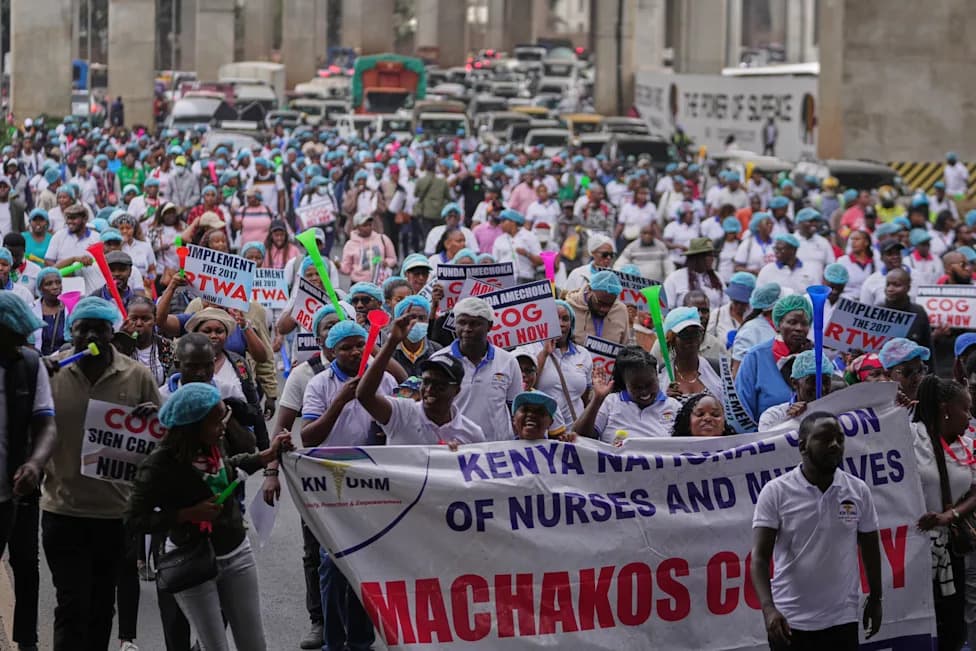
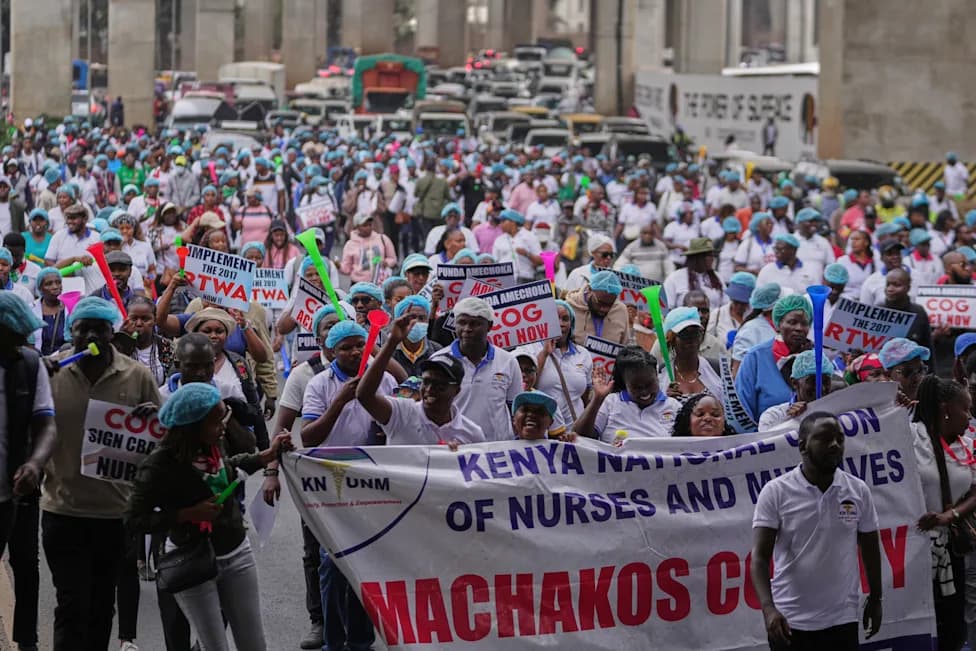
On September 16–17, doctors, pharmacists and dental surgeons staged a strike that disrupted routine services while emergency care continued. The medical union SAMES demands more recruitment, improved career and pension conditions, and targeted investment in hospitals and equipment outside Dakar. Union leaders say many of these demands have been outstanding since 2023.
"How can we talk about quality of care when hospitals lack basic equipment and patients have to travel hundreds of kilometres to get a diagnosis?" — Dr Marc Manga, SAMES (Ziguinchor)
Numbers Tell Part Of The Story
At the end of 2024, 5,236 doctors were registered with Senegal's National Medical Council, of whom 4,407 worked in the public sector. Yet union leaders and clinicians stress that staffing figures alone do not guarantee quality care when facilities lack basic equipment or medicines.
Meanwhile, Senegal’s wider political-economy context complicates health funding. The country reported 6.7% GDP growth in 2025 after beginning oil and gas production, but heavy public debt limits fiscal space. The IMF estimated total public-sector debt at 132% of GDP at the end of 2024; audits after President Bassirou Diomaye Faye took office revised central government debt from 74.4% to 111% of GDP at the end of 2023 due to previously undisclosed liabilities.
Funding Gaps And Delayed Care
Foreign aid has historically supported health programmes in Senegal. Reported cuts to US assistance have affected HIV, malaria and reproductive health initiatives, further squeezing services. For many Senegalese, public hospitals are a last resort: consultations, tests, medicines and treatments often require out-of-pocket payments, so people delay seeking care until illness is advanced.
Unemployment among young people is high: in Q1 2026 the ANSD reported a 28.4% jobless rate for those aged 15–34, a factor that pushed Diba from digital communication studies into nursing, where paid internships or shift work are more accessible.
Personal Resolve And Broader Questions
Diba plans to specialise in haematology to treat cancer, leukemia and sickle-cell disease. What stayed with her most from her hospital experience was patients’ fear. "They are afraid of dying," she says. "They wait until their illness is at the last stage before going to public hospitals."
At the international level, President Faye has sought debt relief and investment, while also raising broader questions about historical injustice: in June 2026, Senegal joined other African and Caribbean governments pushing reparatory justice for the transatlantic slave trade. These debates echo a central question for Senegal’s future: how to translate rising revenues into sustainable public services, including health.
For now, patients, clinicians and unions wait — for diagnostics, for equipment, for funding, and for policy change. Diba’s daughter Myriam, born on the eve of a strike, embodies both the fragility of the current system and the determination of those who work within it. "I don't want my daughter to experience this," Diba says.
Help us improve.