Government data show Tasmanian salmon farms detonated nearly 1,800 underwater "seal crackers" in the first six months of the year to deter fur seals. Since 2016 more than 150,000 such charges have been used. The devices can cause serious injuries; at least 48 seals have died at Tasmanian salmon operations since 2021. Authorities warn human activity is the primary threat to local seal populations.
Tasmanian Salmon Farms Detonated Nearly 1,800 Underwater Explosives In Six Months to Scare Seals
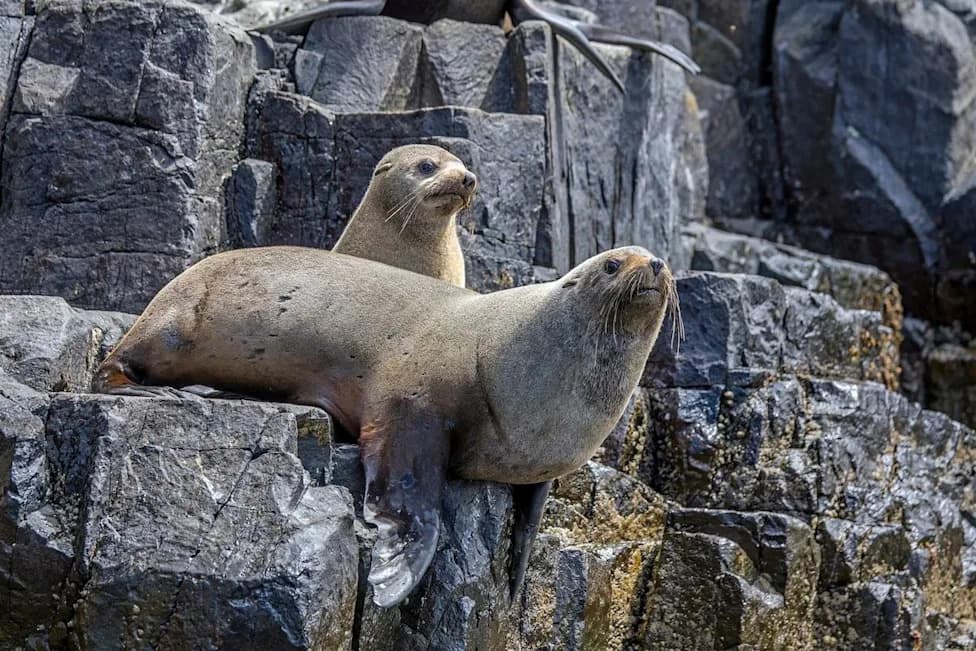
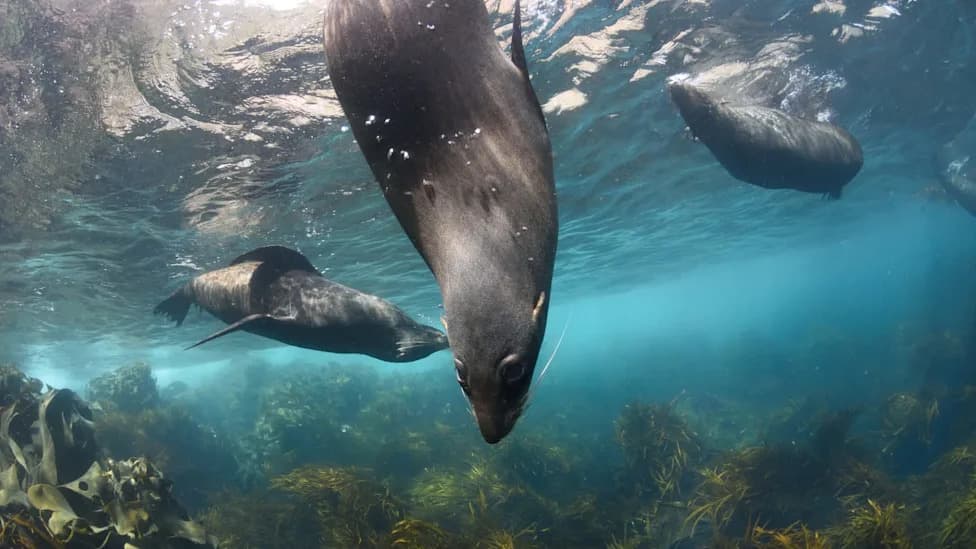
Fur seals in Tasmania, Australia. Sharp Photography via Wikipedia
Government figures show that in the first half of this year salmon farmers around Tasmania detonated almost 1,800 underwater explosive devices — commonly called "seal crackers" — to frighten fur seals away from sea pens holding farmed fish.
Why Farmers Use Explosives
Seals can leap into sea pens or bite through nets, sometimes killing or injuring large numbers of salmon. Tassal, one of three companies with operations in Tasmanian waters, reported roughly 1,100 incidents in which seals gained access to its salmon pens over the past three years.
Scale and Frequency
Since 2016, Tasmanian fish farms have used more than 150,000 loud underwater charges to deter seals, according to the Department of Natural Resources and Environment Tasmania. The department began publishing twice-yearly updates on deterrent use after a 2022 public records request from the Tasmanian Inquirer.
Impact On Marine Mammals
Seal crackers are loud and powerful; they can cause severe injuries to marine mammals, including burns and broken bones. They are not the only hazard seals face around farms: in the first half of this year four seals died at salmon operations — two became entangled in pens, one was struck by a boat, and another died during an attempted sedation. Since 2021, at least 48 seals have died at Tasmanian salmon farms.
Protected Species And Conservation Concerns
Tasmania is home to Long-Nosed Fur Seals (listed by the state as threatened) and Australian Fur Seals; both species are protected. The Department of Natural Resources and Environment Tasmania cautions that "the greatest threat to seals comes not from their natural predators, white pointer sharks and killer whales, but from humans."
Context: Farmers say deterrents protect stock and livelihoods; conservationists warn of long-term welfare and population impacts on protected seal species.
What’s next: The debate continues over whether current deterrent methods strike the right balance between protecting aquaculture operations and safeguarding marine mammals, and whether safer, non-injurious alternatives can be scaled up.
Help us improve.