The Rayner-led bill will expand statutory bereavement leave in Great Britain to include pregnancy losses before 24 weeks — including miscarriages, terminations and failed IVF embryo transfers — granting up to two weeks of unpaid leave from April 2027. Coverage will also be extended to step- and half-relatives, adoptive parents, kinship carers and foster relationships. Campaigners and unions welcomed the legal recognition but urged the government to consider paid leave and clear, compassionate guidance. The government is also reviewing wider parental leave and pay policies, including proposals like "Hugh's Law."
Rayner Bill Expands Bereavement Leave To Cover Failed IVF And Early Pregnancy Loss

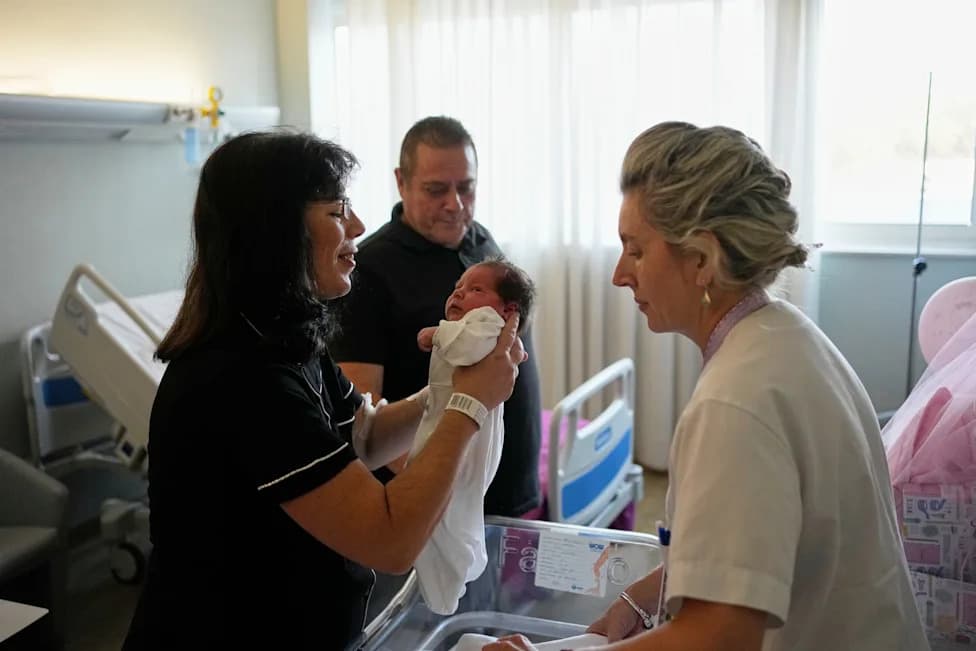
Kate Dearden backed time off for those going through 'some of the hardest moments in life' - Roger Harris
The Rayner-led reform will extend statutory bereavement leave in Great Britain to recognise pregnancy loss — including miscarriages, terminations and unsuccessful IVF embryo transfers — and broaden protection for a wider range of family relationships.
What the Change Means
From April 2027, employees who experience a pregnancy loss before 24 weeks will be entitled to up to two weeks of unpaid bereavement leave. The entitlement will apply to the person who was pregnant and to partners, the other biological parent, or intended parents in surrogacy arrangements.
Who Else Is Covered
The new rules also expand coverage to include step-relatives and half-relatives, as well as adoptive parents, kinship carers and foster relationships — groups that previously lacked explicit legal protection for bereavement leave.
Background
The Employment Rights Act 2025 introduced a right to unpaid leave after the death of a loved one. Ministers held a consultation to determine which relatives should be included under the policy and have now confirmed the wider scope set out above.
Reactions
"No one should have to fight for time to grieve. These changes back people going through some of the hardest moments in life, whoever they are and wherever they work," said Kate Dearden, the work minister, thanking campaigners whose stories helped shape the policy.
Vicki Robinson, chief executive of Miscarriage UK, described the reform as "an important step in recognising pregnancy loss as a bereavement and the profound impact it can have," while urging the government and employers to consider paid leave and compassionate guidance.
Paul Nowak, general secretary of the TUC, said the change ensures all working families will have time and space to grieve, adding that stronger workers' rights benefit employees, employers and society alike.
The Department for Business, Innovation, Science and Trade said that although the majority of employers already show flexibility, a legal "safety net" is needed so that support is consistent rather than dependent on individual employer goodwill.
Concerns
Helen Gibson, founder of Surrogacy Concern, cautioned that in surrogacy cases the birth mother remains the person who is bereaved. She warned extending bereavement leave to commissioning parents could be seen as normalising surrogacy and called for further debate on the practice.
Wider Context
The government is also reviewing parental leave and pay more widely, including proposals such as the campaign for "Hugh's Law," which seeks statutory paid leave for parents of seriously ill children. A consultation found broad support among employers: more than eight in 10 employers and nine in 10 organisations representing business backed bereavement leave after the death of an immediate family member.
Key facts: Effective April 2027; covers pregnancy loss before 24 weeks (miscarriage, termination, failed IVF embryo transfer); up to two weeks unpaid leave; wider family relationships added.
Help us improve.