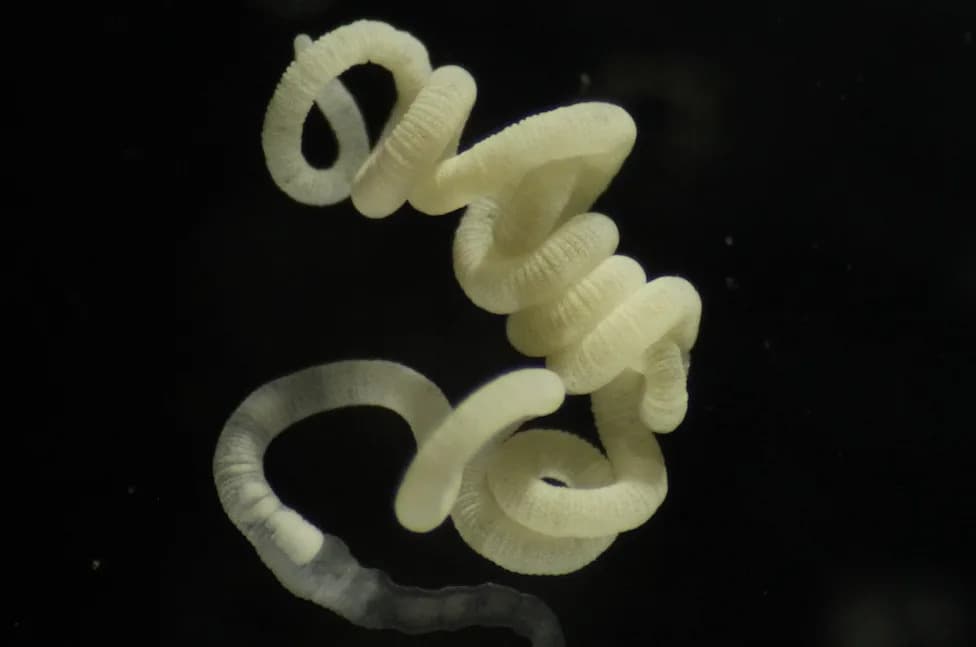
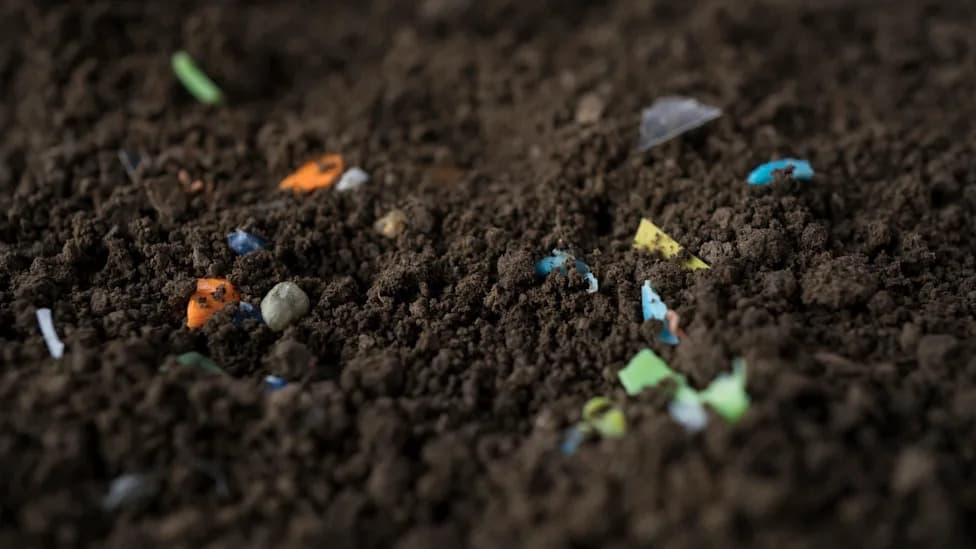
The University of Konstanz team discovered LCPH1, a soil enzyme that degrades a plant-derived long-chain aliphatic polyester (LCAP) and can render some penicillin antibiotics inactive. Microscopy of biodegradable film buried about 10 cm in a forest humus layer showed bacteria-shaped pits, and DNA sequencing of colonizing microbes led to LCPH1's identification. Modelling revealed a broad, "Pac-Man"-shaped active site that can accommodate both polymer chains and antibiotic molecules. The findings highlight microbial potential for plastic remediation while raising questions about links to antibiotic resistance.
German Scientists Discover 'Pac-Man' Enzyme That Eats Bioplastic — And Inactivates Some Penicillins

Photo Credit: iStock
Researchers at the University of Konstanz have identified a soil enzyme capable of breaking down a plant-derived bioplastic and rendering certain penicillin-type antibiotics inactive. The discovery offers new insight into how microbial chemistry in natural environments could help address plastic pollution — and raises questions about potential links to antibiotic resistance.
How the Discovery Was Made
The team studied LCAP, a biodegradable long-chain aliphatic polyester made from plant oils, by burying strips of the film about 10 centimeters deep in the humus layer of a forest plot at the university botanical garden for more than a year. When the strips were recovered, microscopy revealed tiny, bacteria-shaped pits on the film surface, a clear sign of microbial degradation.
Identifying and Characterizing LCPH1
DNA sequencing of microbes that colonized the film led lead author Harry Lerner and colleagues to identify a previously unreported enzyme, which they named LCPH1. Structural modelling suggested the enzyme has a broad, open active site the team likened to a "Pac-Man" shape, allowing it to bind and act on both long polymer chains and small antibiotic molecules.
"We buried small pieces of LCAP bioplastic film in the upper humus layer in the forest at the university's botanical garden, about 10 centimeters deep. This layer is where the breakdown of cellulose and other natural polymers takes place," Lerner said.
Laboratory experiments showed LCPH1 cleaves the polyester into its component parts. The enzyme also neutralized penicillin and ampicillin under test conditions, leaving the antibiotics unable to kill bacteria. The authors note the enzyme structure resembles bacterial enzymes known to cleave beta-lactam rings — a common mechanism that can confer antibiotic resistance.
Implications and Cautions
The study highlights both promise and potential risk. On the positive side, microbes (and their enzymes) may provide routes to accelerate biodegradation of certain polyester plastics or to develop recycling and conversion processes that recover useful materials from waste. On the other hand, the finding underscores the complex interactions between plastic pollution and microbial activity, including possible consequences for antibiotic effectiveness and the spread of resistance mechanisms.
"Plastic waste and its deterioration into micro- and nanoplastics, paired with slow biodegradation of most present-day plastic materials, has developed into a major environmental and human health concern," the authors wrote.
Further research will be needed to understand how widespread LCPH1-like enzymes are, how they behave in different environments, and what risks or benefits they might present for environmental remediation and public health.
Related work: Other groups are exploring microbe-based approaches to tackle microplastics in soil and to transform plastic waste into useful chemicals, including pharmaceuticals.
Help us improve.