The BBC is expected to announce sport-related savings from MediaCity, Salford, with Alex Kay-Jelski outlining cuts that may close services and lead to job losses. The piece argues these decisions expose a broader dilemma: balancing popular programming with niche public-service output and attracting younger audiences. Using examples — Hibs' Conference League radio coverage and an England women's rugby match moved off terrestrial TV while West Side Story airs on BBC Two — the author illustrates how market forces would not sustain some specialised coverage. The article proposes a national referendum so the public can directly decide licence-fee spending priorities, while noting the trade-offs such a vote would entail.
Should We Vote On How The BBC Spends Our Licence Fee? Sport Cuts Make The Case
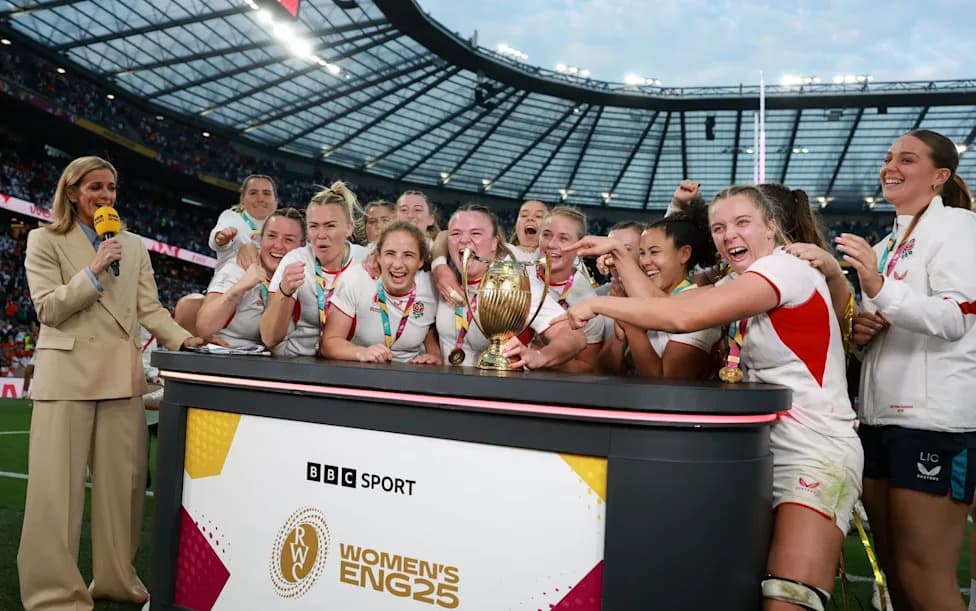
The Red Roses may have won the Rugby World Cup live on BBC1 but they were beaten by West Side Story in the latest battle for a spot on the terrestrial TV schedule - Getty Images/Alex Davidson
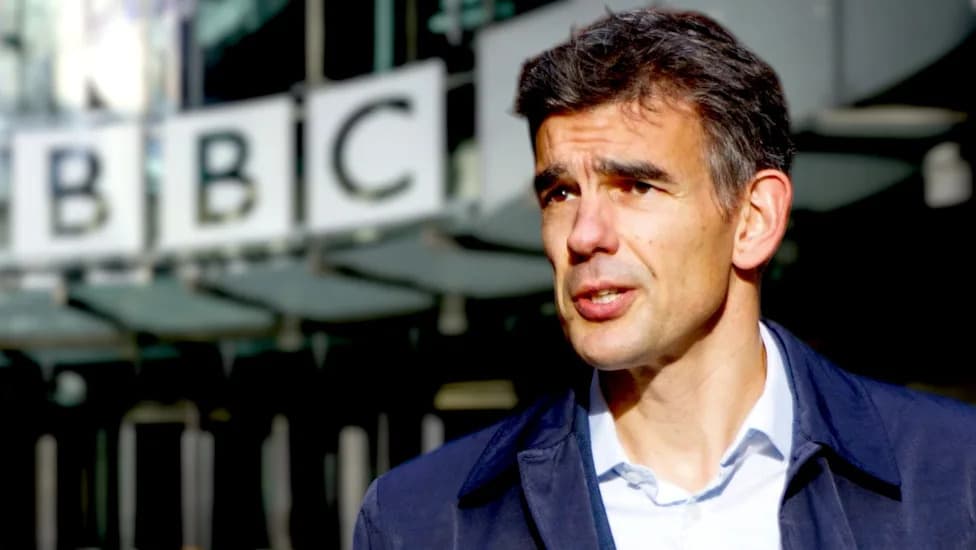
A pivotal midweek moment for BBC Sport arrives this Wednesday at 2pm, when an ominously labelled "savings announcement" will be made from MediaCity, Salford. Alex Kay-Jelski, head of BBC Sport, is expected to set out cost-cutting measures that will almost certainly involve shutting down services and programmes and result in redundancies. It's a grim prospect, and sympathies lie with the staff who will be affected.
Deciding what to cut is inherently difficult. What happens in the sports division will reflect the wider dilemmas confronting the BBC: how to balance audience appeal, intrinsic public-value content and unique coverage that commercial operators would not provide. Popularity and exclusivity are relatively straightforward to measure; judging cultural or social worth is far harder in an increasingly atomised society with fewer shared reference points.
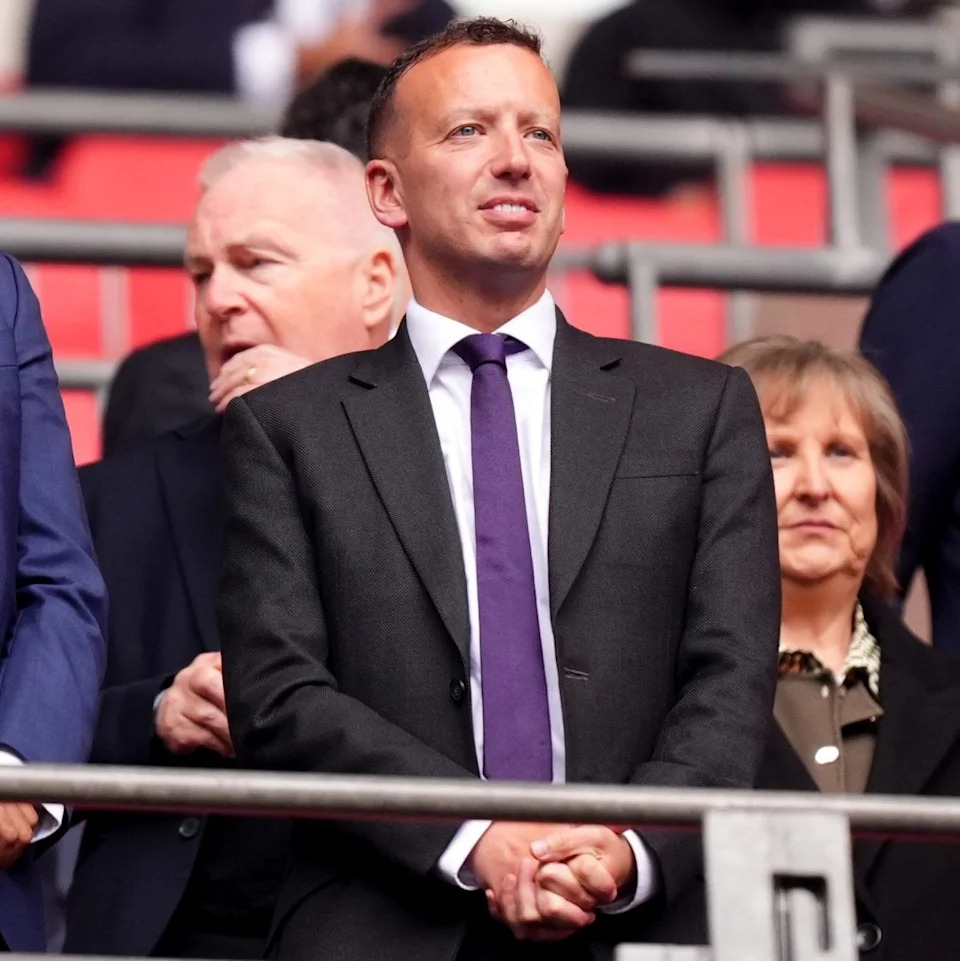
BBC Sport supremo Alex Kay-Jelski faces some tough decisions - PA/Mike Egerton
To inform, educate and entertain — Lord Reith's enduring maxim — now collides with demands for bite-sized formats, algorithm-friendly content and instant gratification. That tension complicates editorial decisions across the corporation.
One practical problem is that audiences are often reluctant to accept that programming they dislike can be as valuable as programming they enjoy. Niche services — especially local radio and specialised sports coverage — feel expendable to many, but they cultivate communities and connections that would not exist in a purely commercial market.
Examples That Make The Argument
Take the author's own team, Hibernian (Hibs). Their third qualifying round Conference League tie against KF Shkendija — described in some quarters as a very niche fixture — was broadcast on BBC Sounds with high-quality commentary and punditry. The match finished 0-0 and likely attracted a modest audience, but for those listeners it provided a shared experience and a connection to their club that commercial providers probably would not have delivered.

Where would the likes of Alan's beloved Hibs be without BBC Radio? - PA/Andrew Milligan
Or consider the recent controversy about an England women's rugby fixture. Fans were upset that England v Canada was not shown on terrestrial BBC; instead, BBC Two scheduled the film West Side Story — a title the channel has aired repeatedly. Supporters argued that prioritising a classic musical over a live sports fixture was a bad call, while defenders might point to audience risk and programming strategy. Both reactions underline the trade-offs editors face.
A Possible Solution — And Its Trade-Offs
The author proposes a radical idea: hold a national referendum that asks the public, in specific detail, how licence-fee money should be allocated and what should be dropped. A referendum would be transparent and democratic, but it also risks reducing complex editorial and cultural judgments to popularity contests. Niche public-service programming — the very items a licence fee protects — could be vulnerable to short-term majoritarian preferences.
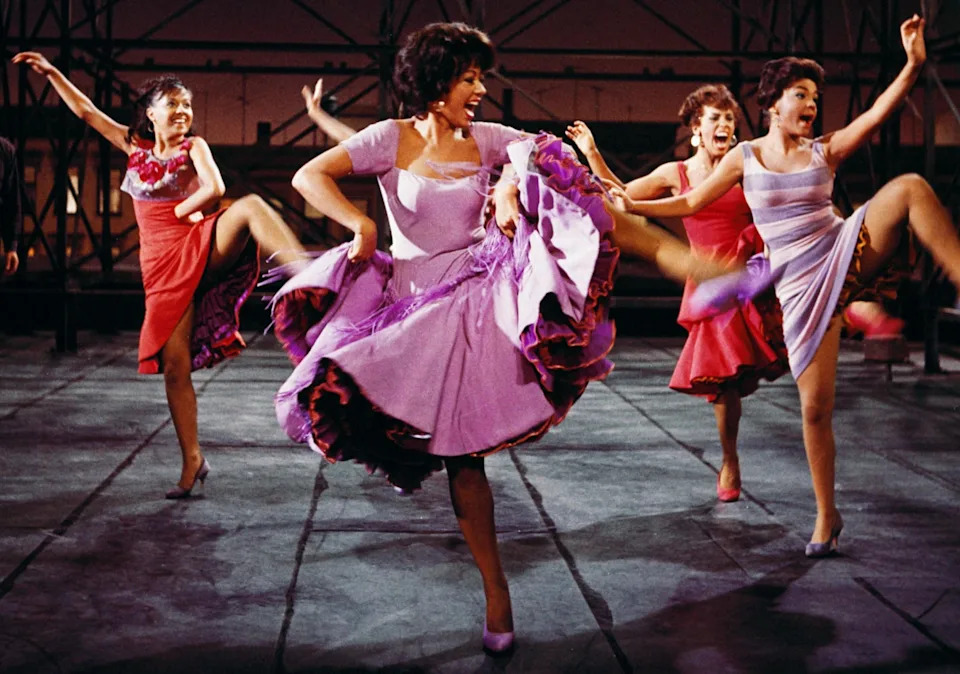
West Side Story or the Red Roses? Shouldn't we have a say? - Silver Screen Collection/Getty Images
Whatever approach is chosen, the core problem remains: how to provide distinctive, valuable public-service broadcasting in an era of fragmented attention, commercial competition and constrained budgets. If a referendum is the price of clarity and consent, it would probably mean fewer niche broadcasts like the Hibs radio coverage — and those consequences would be felt by the communities that rely on them.
Conclusion: The BBC faces unavoidable, painful choices. A public vote on spending priorities would deliver a clear mandate, but it would also force difficult trade-offs between mass appeal and the less-visible public goods the corporation has historically provided.
Help us improve.