The U.S. government has criticised a UK proposal to require platforms such as YouTube and TikTok to make public service broadcasters (BBC, ITV, Channel 4, Channel 5) more discoverable, warning it could amount to "extraterritorial censorship." Washington argued mandated algorithmic boosting risks viewpoint-based censorship, could set a precedent for authoritarian states, and might impose economic burdens on U.S. companies. YouTube has called the plan "forced prominence," while DCMS says it will protect free expression and fair competition.
U.S. Warns UK Plan To Boost BBC On YouTube Risks 'Extraterritorial Censorship'
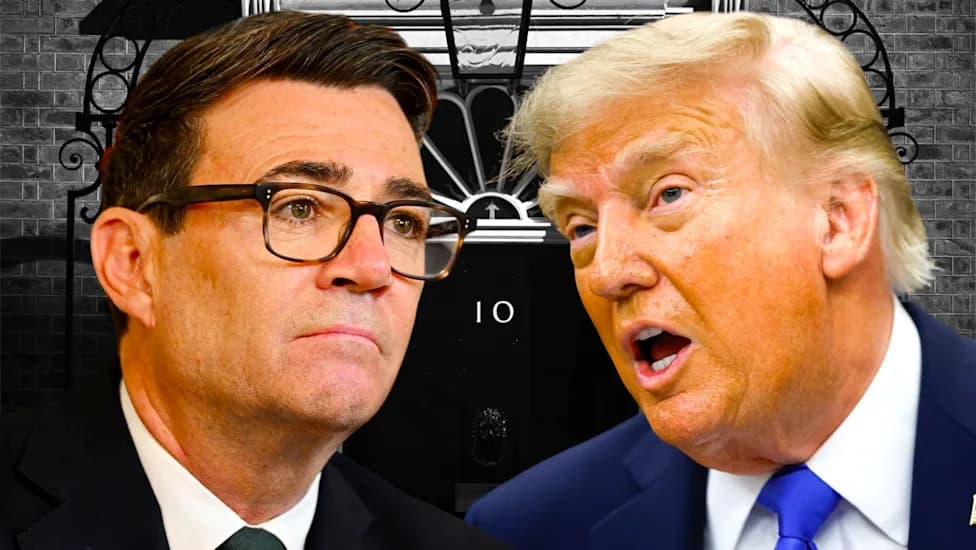
Trump Administration Fires Shots At UK Plan To Boost BBC Content On YouTube, Calling It “Extraterritorial Censorship”
The U.S. government has formally criticised a UK policy proposal that would require major online video platforms to make public service broadcasters — including the BBC, ITV, Channel 4 and Channel 5 — more discoverable on services such as YouTube and TikTok.
Published as a submission to Britain’s consultation, the U.S. notice urged the UK to withdraw any plans that would mandate algorithmic amplification of government-preferred outlets. It warned such measures could amount to "extraterritorial censorship of protected speech by Americans online" and risk setting a precedent that other countries, including authoritarian regimes, might exploit.
What the Proposal Would Do
The Department for Culture, Media and Sport (DCMS) unveiled the proposals in June. In practice, the rules could require platforms to surface official clips from programme highlights — for example, segments from Question Time — more prominently in feeds and search results so that public service media are easier for users to find.
U.S. Objections
"A framework that empowers governments to influence which sources receive preferential visibility risks becoming a mechanism for viewpoint-based censorship," the U.S. submission said. "If the UK compels platforms to boost government-preferred media in algorithmic feeds, the effect on a government-disfavored speaker or media source's reach is not meaningfully different than outright removal."
Washington also warned that mandated platform-design changes could affect what people around the world see, including Americans, and could complicate how U.S. and independent journalists reach audiences. The submission raised additional concerns about economic impacts, arguing that the rules might damage the UK’s reputation for innovation and impose disproportionate compliance burdens on American companies.
Industry And Government Responses
YouTube has previously criticised the idea. At the Edinburgh TV Festival, Pedro Pina, YouTube’s Vice President for EMEA, described the proposals as "forced prominence," saying they could "impair the public interest" and harm independent creators whose reach might be diminished.
A DCMS spokesperson said the government welcomed engagement with the media green paper, emphasising a commitment to free expression and fair competition and saying any future action would seek to protect those principles.
As the UK considers responses to the consultation, the debate highlights a broader tension between efforts to support public-service journalism in the digital age and concerns about government influence over platform algorithms and global free speech implications.
Help us improve.